
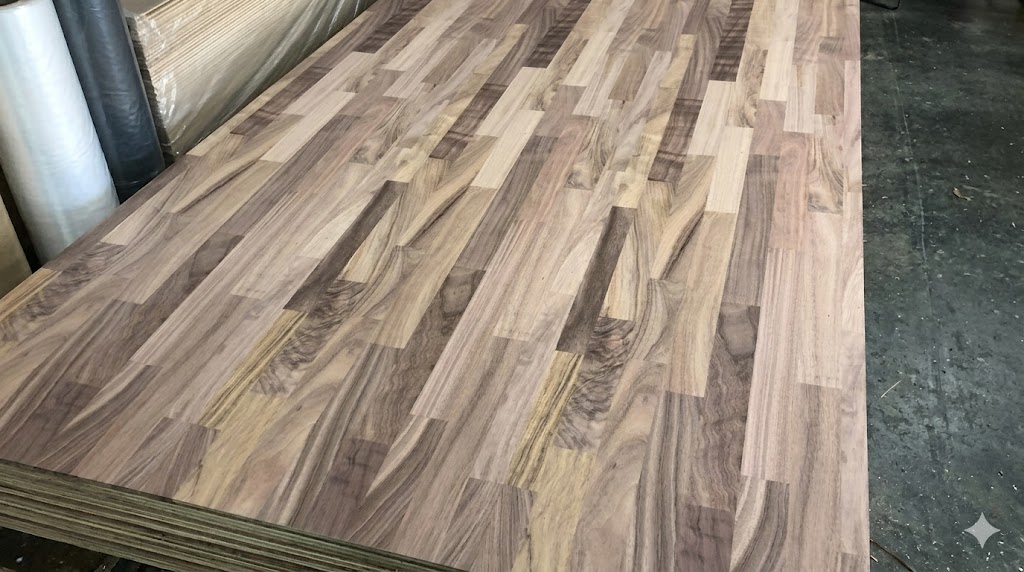
Walnut Decorative Board Trends 2024: Design Innovations & Applications
Walnut decorative boards continue to dominate interior design and furniture manufacturing in 2024, combining timeless elegance with modern functionality. As a leading walnut veneer manufacturer, we’ve observed how designers and furniture makers increasingly favor natural walnut grain for luxury residential and commercial projects. This comprehensive guide explores the latest walnut decorative board trends, types, applications, and supplier selection strategies to help you make informed purchasing decisions.
What is Walnut Decorative Board?
Walnut decorative board is a premium engineered wood panel featuring real walnut veneer bonded to plywood or MDF substrate. Unlike solid walnut, these boards offer superior dimensional stability while preserving the rich chocolate-brown tones and distinctive grain patterns that make walnut highly desirable. Manufacturers typically use black walnut (Juglans nigra) or European walnut (Juglans regia) species to create veneers ranging from 0.3mm to 3mm thickness.
The manufacturing process involves rotary cutting or slicing walnut logs into thin veneers, which are then pressed onto core materials using phenolic or melamine adhesives. This construction method produces decorative boards suitable for furniture-making, interior wall panels, cabinet doors, and high-end architectural millwork. Standard thicknesses range from 3mm to 18mm, with 4x8ft (1220x2440mm) being the most common commercial size.

Top Walnut Decorative Board Trends in 2024
The walnut decorative board market is experiencing significant evolution driven by sustainability concerns, design innovation, and technological advances in veneer production. Here are the dominant trends shaping the industry this year:
Minimalist Walnut Wall Panels
Architectural designers are embracing walnut decorative panels with cleaner grain patterns and lighter finishes for modern minimalist spaces. Bookmatched walnut veneers create symmetrical wall features in residential lobbies and corporate offices, while quarter-cut walnut provides uniform straight grain ideal for contemporary aesthetics. The trend favors matte or satin finishes over high-gloss treatments, emphasizing natural wood texture.
Luxury Walnut Furniture Finishes
High-end furniture manufacturers continue specifying premium black walnut veneer for executive desks, credenzas, and bedroom sets. The trend toward visible wood grain has increased demand for crown-cut walnut with pronounced cathedral patterns. Furniture makers are pairing walnut decorative boards with metal accents (brass, bronze) and glass elements to create statement pieces that justify premium pricing in luxury markets.
Sustainable Walnut Veneer Solutions
Environmental certification has become critical for commercial projects. FSC-certified walnut decorative boards now represent over 40% of wholesale orders as architects prioritize LEED credits and green building standards. Engineered walnut veneer made from fast-growing walnut plantations offers cost-effective alternatives to old-growth forest materials while maintaining aesthetic quality. Manufacturers using water-based adhesives and low-VOC finishes gain competitive advantage in sustainability-focused markets.

Types of Walnut Decorative Boards
Understanding different walnut decorative board constructions helps buyers select appropriate products for specific applications:
Natural Black Walnut Veneer
Black walnut (Juglans nigra) produces the darkest and most dramatic grain patterns. Native to North America, this species offers chocolate to purple-brown heartwood with occasional lighter sapwood streaks. Natural black walnut veneer decorative boards are premium products used in high-end furniture, yacht interiors, and luxury residential projects. The veneer thickness typically ranges from 0.6mm to 1.2mm, pressed onto commercial-grade plywood cores.
Engineered Walnut Decorative Panels
Engineered walnut veneer uses reconstituted wood technology to create uniform grain patterns and consistent coloring. Manufacturers slice plantation-grown walnut, dye individual veneers, and reassemble them into blocks before re-slicing. This process produces decorative boards with predictable appearance ideal for large-scale projects requiring color matching. Engineered walnut costs 30-50% less than natural veneer while offering superior consistency for commercial furniture production.
Film-Faced Walnut Plywood
For applications requiring moisture resistance, film-faced walnut plywood combines decorative walnut veneer with phenolic film overlay. Common in kitchen cabinetry and bathroom vanities, these boards provide water-resistant surfaces while maintaining walnut aesthetics. The film thickness ranges from 120gsm to 240gsm, with multiple resin impregnation cycles ensuring durability in humid environments.

Applications of Walnut Decorative Boards
Walnut decorative boards serve diverse functions across furniture manufacturing and interior construction:
Furniture Production: Cabinet makers use walnut veneered plywood for wardrobe doors, drawer fronts, and table tops. The 12mm-18mm thickness range provides structural integrity while reducing material costs compared to solid walnut. High-end office furniture manufacturers favor bookmatched walnut panels for executive desks and conference tables, where grain continuity creates visual impact.
Interior Wall Panels: Architects specify walnut decorative boards for feature walls in hotel lobbies, restaurant interiors, and residential accent walls. The standard 4x8ft panel size facilitates installation while allowing creative patterns through panel arrangement. Designers often combine walnut panels with LED backlighting to emphasize grain depth and color variation.
Door Manufacturing: Interior door producers use walnut veneered panels for both residential and commercial applications. The combination of walnut face veneer (0.6mm) on engineered core creates lightweight doors with premium appearance. Fire-rated walnut doors require special core constructions meeting building code requirements while maintaining aesthetic consistency.
Cabinetry and Millwork: Kitchen cabinet manufacturers increasingly offer walnut options as alternatives to traditional oak or maple. The darker tones suit modern kitchen designs, while walnut’s workability allows intricate door profiles and panel details. Custom millwork shops use walnut decorative boards for built-in shelving, entertainment centers, and retail fixtures.

Walnut Decorative Board vs Other Wood Species
Comparing walnut to alternative species helps buyers justify premium pricing:
Walnut vs Oak: While oak offers durability and lower cost, walnut provides richer color and finer grain suitable for luxury applications. Oak’s prominent grain and lighter tones suit traditional styles, whereas walnut’s subtle figure works better in contemporary designs. Price differential typically ranges 40-60% higher for walnut veneer boards.
Walnut vs Cherry: Both species offer warm tones, but walnut maintains color stability while cherry darkens significantly with UV exposure. Walnut’s straighter grain provides more consistent appearance across large panels. Cherry costs 20-30% less but requires more careful finishing to prevent blotching.
Walnut vs Teak: Teak excels in moisture resistance for outdoor applications, while walnut dominates interior furniture markets. Walnut offers superior machining characteristics and finishing properties. Teak pricing exceeds walnut by 30-50% depending on grade, making walnut the economical choice for interior projects.
Walnut vs Engineered Veneer: White engineered veneer and other synthetic options cost 60-70% less than natural walnut but lack authenticity valued in luxury markets. Engineered products suit budget-conscious commercial projects, while natural walnut veneer commands premium pricing justified by aesthetic superiority and resale value.
| Species | Color Range | Grain Pattern | Relative Cost | Best Application |
|---|---|---|---|---|
| Black Walnut | Dark brown | Straight to wavy | High | Luxury furniture |
| Oak | Light tan | Prominent grain | Medium | Traditional furniture |
| Cherry | Reddish brown | Fine, uniform | Medium-High | Classic cabinetry |
| Teak | Golden brown | Straight | Very High | Outdoor furniture |
How to Choose a Walnut Decorative Board Supplier
Selecting the right walnut decorative board manufacturer impacts product quality, pricing, and delivery reliability. Consider these critical factors:
Manufacturing Capabilities: Verify the supplier operates veneer slicing equipment and hot-press facilities rather than trading third-party products. Direct manufacturers offer better pricing and customization flexibility. Ask about veneer cutting methods (rotary, quarter-cut, rift-cut) to ensure they can produce desired grain patterns.
Quality Control Systems: Request information about moisture content testing, adhesive bond strength verification, and surface finish inspection protocols. Reputable suppliers maintain ISO 9001 certification and conduct third-party testing for formaldehyde emissions (E1, CARB P2 standards).
Comments