
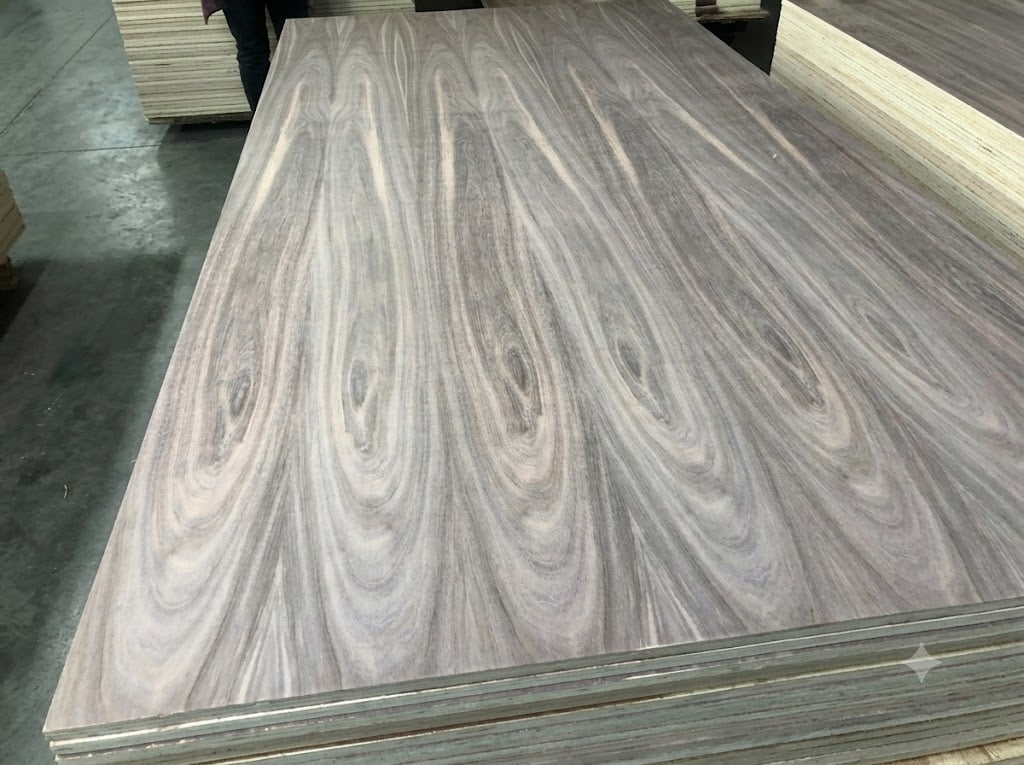
# What Is Tzalam Wood? Complete Guide to Mexico’s Premium Furniture Hardwood (Lysiloma latisiliquum)
For **furniture manufacturers, cabinetmakers, architectural millwork companies, flooring installers, interior designers, importers, wood product distributors, and woodworking professionals** exploring **premium Central American hardwoods**—few species offer the compelling combination of **rich aesthetics, excellent workability, sustainable availability, cost-effectiveness, versatile applications, distinctive character, and market appeal** found in **tzalam wood (Lysiloma latisiliquum)**. Yet despite its growing popularity in Mexico, Central America, and increasingly North American markets, tzalam remains relatively **unknown and underutilized** in international markets—creating both **confusion about what tzalam actually is** and **significant opportunities for manufacturers, importers, and designers** who understand this exceptional species’ unique characteristics, applications, sourcing considerations, and competitive advantages.
Whether you’re a **furniture company owner** evaluating wood species for new product lines, **purchasing manager** seeking cost-effective alternatives to overused hardwoods, **importer** identifying emerging species with commercial potential, **cabinet manufacturer** requiring reliable hardwoods with excellent finishing characteristics, **architect or designer** specifying materials for residential or commercial projects, **flooring contractor** looking for durable exotic species, **millwork shop** needing consistent supply of workable hardwoods, or **woodworking enthusiast** discovering Central American timber species—understanding **what tzalam wood actually is, where it comes from, its physical and working properties, typical applications, how it compares to familiar species, sourcing considerations, pricing, and why it deserves serious consideration** provides critical knowledge for making informed material selection and business development decisions.
Most people encountering tzalam for the first time make expensive mistakes: confusing it with unrelated species due to similar common names, purchasing inferior quality wood due to lack of grading knowledge, paying premium prices for commodity-grade material, applying inappropriate finishing techniques resulting in poor results, using tzalam in unsuitable applications where better alternatives exist, inadequate supplier vetting leading to inconsistent quality, lack of understanding regarding natural variation characteristics, and missing market opportunities by not recognizing tzalam’s competitive advantages versus more expensive alternatives.
This comprehensive guide answers every critical question about tzalam wood: **What exactly is tzalam? Where does it grow? What are its physical properties and characteristics? What does it look like? How does it work in the shop? What are ideal applications? How does it compare to walnut, parota, oak, and other popular hardwoods? Where do you source it? What does it cost? What quality variations exist? Why should manufacturers and designers consider it? What are the market trends? How do you maximize value when purchasing or specifying tzalam?**
—
## Section 1: Tzalam Wood Identity and Botanical Profile
### What Exactly Is Tzalam Wood?
**Botanical Classification:**
**Scientific Name:** *Lysiloma latisiliquum* (L.) Benth.
**Family:** Fabaceae (Leguminosae) — the legume/pea family
**Subfamily:** Mimosoideae
**Common Names:**
– **Tzalam** (Mexico — Yucatán Peninsula; most common)
– **Tsalam** (alternative spelling)
– **False Tamarind** (English — misleading name)
– **Huamuchil** (some regions of Mexico)
– **Sabicu** (Caribbean — causes confusion with different species)
– **Acacia Salvadorensis** (historical taxonomy; outdated)
**Critical Naming Confusion to Avoid:**
⚠️ **”False Tamarind” is Misleading:** Tzalam is NOT related to true tamarind (Tamarindus indica)—the name comes from superficial leaf resemblance. Avoid this name commercially as it creates confusion.
⚠️ **”Sabicu” Creates Confusion:** In Caribbean markets, “sabicu” sometimes refers to tzalam BUT also refers to completely different species (*Lysiloma sabicu*)—which is botanically related but different wood. Always specify botanical name *Lysiloma latisiliquum* for clarity.
⚠️ **Not an Acacia:** Despite historical classification and occasional references to “acacia,” tzalam is NOT in genus Acacia—though it’s in the same botanical family (Fabaceae/Leguminosae).
**Why This Matters:** Wood buyers specifying “sabicu” or “false tamarind” without botanical names may receive different species than expected—causing quality, appearance, and pricing discrepancies.
**Geographic Distribution and Habitat:**
**Native Range:**
– **Primary:** Mexico (Yucatán Peninsula, Quintana Roo, Campeche, Chiapas, Tabasco, Veracruz)
– **Extended:** Belize, Guatemala, Honduras, El Salvador, Nicaragua, Caribbean islands (Cuba, Jamaica, Bahamas)
– **Habitat:** Tropical dry forests; semi-deciduous forests; coastal zones
– **Elevation:** Sea level to ~1,200 meters (typically lowland species)
– **Climate:** Tropical and subtropical; tolerates seasonal drought
**Tree Characteristics:**
**Size:**
– **Height:** 10-20 meters typical (33-66 feet); occasionally 25 meters in ideal conditions
– **Trunk diameter:** 30-60 cm (12-24 inches) common; occasionally larger
– **Growth form:** Medium-sized tree; often multi-stemmed; spreading crown
– **Commercial size:** Moderate—not a large forest giant; yields modest-width lumber
**Ecological Notes:**
– **Growth rate:** Moderate to fast in tropical conditions
– **Nitrogen-fixing:** Like many legumes, enriches soil through nitrogen fixation
– **Drought tolerance:** Good—adapted to seasonal dry conditions
– **Regeneration:** Good natural regeneration in suitable habitat
– **Sustainability:** Not threatened; reasonable availability in natural range
**Commercial Availability:**
**Current Status:**
– **Primary production:** Mexico (especially Yucatán Peninsula states)
– **Market position:** Regional species; growing commercial recognition
– **Export volume:** Moderate; increasing interest in North American markets
– **Plantation cultivation:** Limited; primarily harvested from natural forests and agroforestry systems
– **Availability trend:** Stable to improving as commercial interest increases
**Comparison to Similar Species:**
**Tzalam (*Lysiloma latisiliquum*) vs Related Species:**
**Lysiloma sabicu (True Sabicu):**
– **Relationship:** Same genus; closely related
– **Differences:** Slightly denser; somewhat darker color; Caribbean distribution
– **Confusion:** Sometimes both called “sabicu”—specify botanical name
**Lysiloma watsonii:**
– **Relationship:** Same genus; Mexican species
– **Differences:** Similar but typically smaller tree; less commercial importance
**Acacia species (Various):**
– **Relationship:** Same botanical family; NOT same genus despite naming confusion
– **Differences:** True acacias have different grain patterns, working properties, and appearance
**Why Tzalam Isn’t Well Known Internationally:**
1. **Regional species:** Primarily Mexican market; limited historical export
2. **Name confusion:** Multiple common names create market uncertainty
3. **Competition:** Overshadowed by more famous tropical hardwoods (mahogany, Spanish cedar, rosewood)
4. **Size limitations:** Moderate tree size limits large-dimension lumber production
5. **Market positioning:** Not historically promoted internationally like premium species
**But this is changing:** Growing recognition of tzalam’s excellent properties; increasing export; furniture manufacturers discovering cost-effective alternative to expensive imports.
—
## Section 2: Physical Properties and Appearance Characteristics
### What Does Tzalam Wood Look Like?
**Heartwood and Sapwood:**
**Heartwood Color:**
– **Fresh-cut appearance:** Light golden-brown to medium reddish-brown
– **Aged appearance:** Deepens to rich medium brown with reddish tones
– **Color variation:** Moderate—generally consistent within boards; can vary tree to tree
– **Distinctive feature:** Often has subtle golden undertones; sometimes slight olive tint
– **Aging:** Darkens gradually with light exposure (typical of most woods)
**Sapwood:**
– **Color:** Pale yellowish to light tan
– **Width:** Moderate (2-5 cm typical)
– **Contrast:** Distinct from heartwood; easily distinguished
– **Commercial handling:** Usually excluded from premium grades; acceptable in lower grades
**Color Comparison to Familiar Species:**
**Similar Species (Color):**
– **Walnut (lighter specimens):** Tzalam resembles lighter walnut but with warmer, more golden tones
– **Teak:** Similar brown tones but tzalam lacks teak’s natural oils and distinctive smell
– **Parota (Guanacaste):** Overlapping color range; tzalam typically more uniform
**Visual Character—More Subtle Than Parota:**
– Tzalam is **not as visually dramatic** as highly-figured parota/guanacaste
– Better suited for applications requiring consistent, understated elegance
– Appeals to customers preferring **refined simplicity over bold character**
**Grain Pattern and Figure:**
**Grain Characteristics:**
– **Pattern:** Generally straight to slightly interlocked
– **Consistency:** Relatively uniform; predictable
– **Wavy grain:** Occasional; not dominant characteristic
– **Irregular grain:** Less common than highly-figured tropical species
**Figure Types Found:**
**Typical Commercial Grades:**
– **Plain-sawn appearance:** Moderate cathedral patterns; attractive but not dramatic
– **Quarter-sawn appearance:** Straight grain; ribbon figure occasionally visible
– **Overall character:** Understated elegance; professional appearance
**Special Figure (Less Common):**
– **Ribbon stripe:** Sometimes present in quarter-sawn material; attractive linear patterns
– **Mottled figure:** Occasionally found; subtle reflective patterns
– **Curly/fiddleback figure:** Rare; commands premium prices when present
**Commercial Reality:** Most tzalam is sold as **plain to moderately figured** wood—not highly figured like premium parota or exotic species. This is advantage for manufacturers needing **consistent appearance** across production runs.
**Texture and Surface Qualities:**
**Texture Classification:** Medium to fine
**Specific Characteristics:**
– **Pore size:** Small to medium; visible but not prominent
– **Ray visibility:** Rays present but not pronounced (unlike oak)
– **Surface feel:** Smooth when properly sanded; takes excellent finish
– **Grain raising:** Minimal—good dimensional stability during finishing
**Working Surface:**
– **Sanding:** Responds well to progressive sanding; achieves smooth finish at 180-220 grit
– **Machining marks:** Generally clean; does not tear easily with sharp tools
– **Natural luster:** Moderate—develops nice sheen with finishing
**Comparison:** Similar texture to walnut or cherry; finer than oak or ash; coarser than maple.
**Natural Defects and Characteristics:**
**Common Natural Features:**
**Acceptable in Most Grades:**
– **Mineral streaks:** Occasional; usually subtle dark lines
– **Color variation:** Natural color range within boards
– **Gum pockets:** Small resin deposits occasionally present (typical of legumes)
– **Pin knots:** Small tight knots in lower grades
**Generally Excluded from Premium Grades:**
– **Large knots:** Affect structural integrity and appearance
– **Splits/checks:** End checking common during drying; trimmed out
– **Wane:** Bark edges removed in higher grades
– **Insect damage:** Powder post beetle susceptibility in some regions
**Grading Impact:** Like all hardwoods, tzalam is available in multiple grades:
– **FAS (Firsts and Seconds):** Highest grade; minimal defects
– **Select:** Good quality; suitable for furniture and cabinetry
– **#1 Common:** More character; acceptable defects present
– **#2 Common:** Rustic character; higher defect tolerance
**Physical and Mechanical Properties:**
**Density:**
– **Specific gravity:** 0.55-0.65 (oven-dry weight/oven-dry volume)
– **Average air-dry density:** 625-750 kg/m³ (39-47 lbs/ft³)
– **Classification:** Medium density (similar to walnut, cherry)
**Janka Hardness:**
– **Rating:** Approximately 1,100-1,300 lbf (4,900-5,800 N)
– **Classification:** Medium hardness
– **Comparison:**
– Softer than oak (1,290-1,360 lbf) and hard maple (1,450 lbf)
– Similar to walnut (1,010 lbf) and cherry (995 lbf)
– Harder than pine (690 lbf) and poplar (540 lbf)
**Practical Implication:** Suitable for furniture, cabinetry, interior millwork; less ideal for heavy-traffic flooring without protective finishes.
**Strength Properties (Approximate):**
**Modulus of Rupture (Bending Strength):**
– 85-105 MPa (12,300-15,200 psi)
– **Classification:** Medium strength; adequate for most furniture/cabinet applications
**Modulus of Elasticity (Stiffness):**
– 9,000-11,000 MPa (1,300,000-1,600,000 psi)
– **Classification:** Moderate stiffness; comparable to walnut
**Compression Strength Parallel to Grain:**
– 45-55 MPa (6,500-8,000 psi)
– **Application:** Adequate for furniture legs, structural components with reasonable design
**Shrinkage (Movement):**
– **Radial shrinkage:** ~4-5% (green to oven-dry)
– **Tangential shrinkage:** ~7-9% (green to oven-dry)
– **T/R Ratio:** Approximately 1.6-1.9
– **Stability rating:** Good to very good (moderate movement; predictable)
**Practical Impact:** Tzalam has **good dimensional stability**—suitable for furniture, cabinetry, and millwork. Movement characteristics similar to walnut and cherry; more stable than oak.
**Durability and Resistance:**
**Natural Durability (Decay Resistance):**
– **Rating:** Moderate to moderately durable
– **Application:** Suitable for interior use without treatment; limited exterior durability
– **Insect resistance:** Moderate; susceptible to powder post beetles in some conditions
– **Recommendation:** Interior applications ideal; exterior use requires protective finish
**Treatability:**
– Heartwood moderately resistant to preservative absorption
– Sapwood more receptive to treatments
– Generally not treated for interior furniture applications
—
## Section 3: Working Properties and Machinability
### How Does Tzalam Work in the Shop?
**Overall Workability Assessment:**
**Rating:** Good to Very Good
Tzalam is considered a **pleasure to work with** by most woodworkers and furniture manufacturers—offering **predictable behavior, clean machining, excellent finishing, and moderate blunting effect on tools**. For shops experienced with walnut, cherry, or tropical hardwoods, tzalam presents no unusual challenges.
**Sawing and Milling:**
**Hand Sawing:**
– **Effort required:** Moderate (medium density)
– **Clean cuts:** Yes, with sharp saws
– **Blade dulling:** Moderate rate—similar to walnut
– **Recommendation:** Standard woodworking hand saws work well
**Power Sawing (Table saw, Band saw):**
– **Feed rate:** Good—machines at normal production speeds
– **Blade life:** Normal—carbide-tipped blades recommended for production
– **Burning tendency:** Low—cleaner cuts than harder woods like maple
– **Tear-out risk:** Low with sharp blades
– **Recommendation:** Standard carbide-tooth blades; normal feed rates; no special considerations
**Surfacing and Thicknessing:**
**Planer Performance:**
– **Overall:** Excellent—smooth, consistent results
– **Grain direction:** Usually planes cleanly regardless of direction
– **Tear-out:** Minimal in straight-grained material; occasional with interlocked grain
– **Snipe tendency:** Normal (equipment-dependent, not wood-specific)
– **Knife dulling:** Moderate—similar to walnut; much less than oak or tropical species with silica
**Jointer Performance:**
– **Clean cuts:** Yes—sharp knives produce excellent surface
– **Face jointing:** Smooth results typical
– **Edge jointing:** Clean, straight edges achieved easily
**Recommendation:** Fresh, sharp knives/blades produce best results (true for all woods). Tzalam is **not demanding** on equipment compared to highly abrasive species.
**Routing and Shaping:**
**Router Performance:**
– **Edge profiles:** Excellent—clean, crisp details
– **Mortising:** Good—routers cut cleanly without excessive tear-out
– **Burning:** Minimal if feeds/speeds appropriate
– **Tool life:** Normal—carbide bits maintain edges well
**Shaping (Spindle moulder):**
– **Profile quality:** Excellent—smooth profiles achieved easily
– **Production runs:** Consistent results across volume production
– **Chipping risk:** Low with sharp cutters and appropriate feed rates
**Critical Success Factor:** As with all woods, **sharp tooling** is key—dull bits cause
Comments