
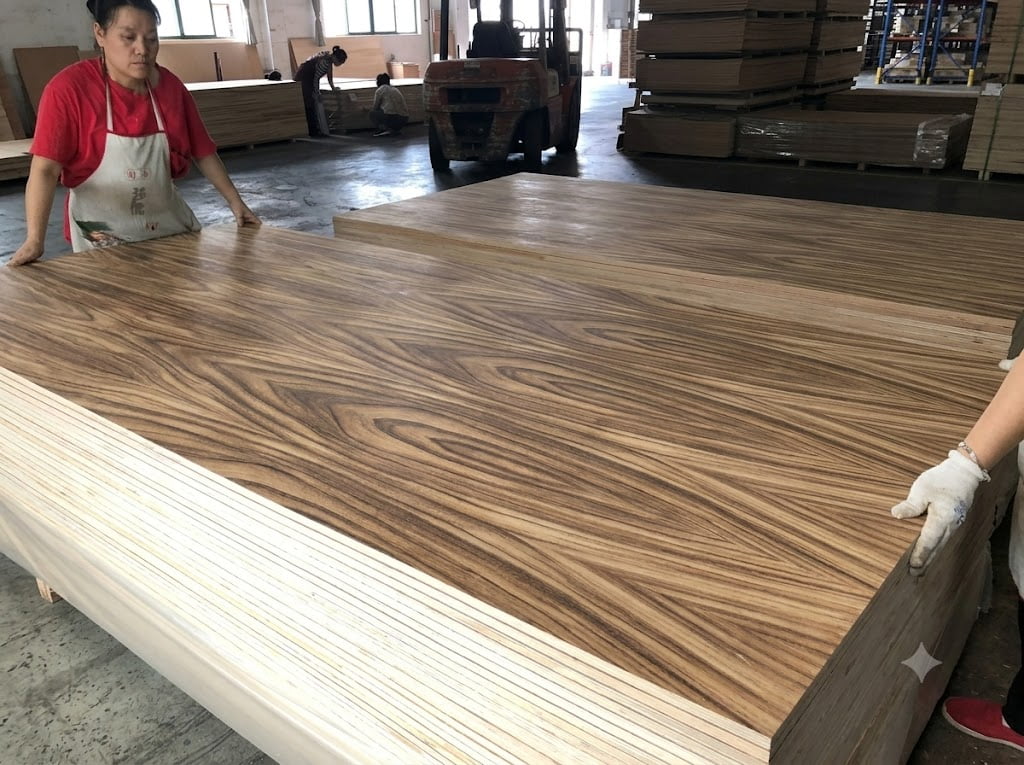
# OEM Parota Plywood Manufacturing Service: Complete Custom Production Solutions for Brands, Distributors, and Large-Volume Buyers
The decision to leverage **OEM (Original Equipment Manufacturer) parota plywood manufacturing services** represents a strategic transformation for **furniture brands, cabinet manufacturers, architectural millwork companies, building material distributors, interior design firms, construction companies, hospitality purchasing groups, retail chains, and large-scale importers**—shifting from standard catalog purchasing to **fully customized production** that delivers **precise product specifications, proprietary features, brand differentiation, consistent quality control, supply chain optimization, competitive cost structures, and market exclusivity** that generic off-the-shelf plywood purchasing simply cannot provide. Yet most potential OEM buyers struggle to understand **what OEM manufacturing actually means, how the process works, minimum volume requirements, customization capabilities, quality control systems, pricing structures, timeline expectations, intellectual property protection, and the critical differences between trading company brokers and genuine manufacturing partners**.
For **furniture brand managers** seeking to develop signature product lines with exclusive materials, **purchasing directors** consolidating supply chains to reduce vendor complexity and improve margin economics, **distributors** launching private-label wood panel brands to compete with national suppliers, **millwork company owners** requiring exact specifications for repeatable architectural installations, **hospitality procurement teams** standardizing materials across multi-property developments, **construction firms** managing large-scale projects requiring consistent supply of custom specifications, **retail merchandising teams** developing exclusive product collections, and **import entrepreneurs** building wood products businesses based on differentiated offerings—understanding **OEM manufacturing capabilities** isn’t just about “custom orders”—it’s about building a **strategic manufacturing partnership** that becomes a competitive advantage, supply chain asset, and profit center driving your business forward.
Most companies approaching OEM manufacturing make expensive mistakes: unrealistic expectations about minimum order quantities, poor specification development leading to products that don’t meet actual needs, inadequate supplier vetting resulting in quality disasters, insufficient intellectual property protection allowing suppliers to produce for competitors, weak communication creating production errors, lack of quality control oversight leading to inconsistent products, poor contract terms causing disputes, unrealistic timeline expectations creating project delays, and failure to build genuine partnership relationships that unlock the full value of OEM collaboration.
This comprehensive guide addresses every critical question facing companies considering OEM parota plywood manufacturing: **What exactly is OEM manufacturing vs standard purchasing? What can actually be customized? What are realistic minimum order quantities? How do you find qualified OEM manufacturing partners? What specifications can you control? How does pricing work for custom production? What quality control systems should exist? How do you protect your designs and specifications? What are realistic production timelines? How do you manage the supplier relationship? What contract terms protect your interests? What are the true costs and benefits?**
Whether you’re exploring your first OEM project or optimizing existing custom manufacturing relationships, this guide delivers the detailed, practical intelligence you need to successfully leverage OEM parota plywood manufacturing services.
—
## Section 1: Understanding OEM Parota Plywood Manufacturing
### What is OEM Manufacturing? (And What It’s NOT)
**OEM (Original Equipment Manufacturer) Defined:**
In the context of wood panel manufacturing, **OEM service** means a factory produces plywood **according to your exact specifications, requirements, and quality standards**—with the products manufactured specifically for your brand, project, or distribution network.
**Key Characteristics of True OEM Manufacturing:**
✅ **Custom specifications:** Not limited to factory’s standard catalog products
✅ **Your quality standards:** Factory adapts QC systems to meet your requirements
✅ **Volume production:** Dedicated production runs for your orders
✅ **Consistent supply:** Ongoing production capability, not one-time custom orders
✅ **Specification ownership:** You control and own the product specifications
✅ **Potential private labeling:** Products can carry your branding
✅ **Technical collaboration:** Factory engineering supports product development
✅ **Long-term partnership:** Focus on ongoing relationship, not transactional sales
**What OEM Manufacturing is NOT:**
❌ **NOT simple custom sizing:** Cutting standard panels to different dimensions isn’t true OEM
❌ **NOT trading company brokering:** Intermediaries finding factories to make your product
❌ **NOT small sample orders:** OEM requires volume commitments justifying custom production
❌ **NOT price shopping:** OEM relationships prioritize consistency and partnership over lowest price
❌ **NOT one-time orders:** True OEM requires ongoing volume to justify production setup
**Why OEM Manufacturing Matters for Parota Plywood:**
**Problem with Standard Purchasing:**
– Limited to supplier’s existing specifications and quality levels
– Competing with everyone else buying identical products
– No differentiation in market
– Dependent on supplier’s quality decisions
– Cannot develop proprietary features
– Forced to accept available inventory and lead times
**OEM Solution:**
– Products precisely matched to your application requirements
– Exclusive specifications competitors cannot duplicate
– Brand differentiation through unique material features
– Quality standards YOU define and control
– Proprietary product development capability
– Supply chain optimized for YOUR needs
**Example Scenarios Where OEM Makes Sense:**
**Scenario 1: Furniture Brand Developing Signature Collection**
**Challenge:**
– Launching premium furniture line featuring distinctive parota aesthetic
– Need consistent color matching across production runs
– Require specific core construction for weight optimization
– Standard plywood thickness tolerances too loose for precision joinery
**OEM Solution:**
– Custom face veneer selection with documented color standards
– Proprietary core construction combining lightweight poplar with strategic hardwood plies
– Tighter thickness tolerance (+/- 0.3mm vs standard +/- 0.5mm)
– Consistent moisture content specification (10% +/- 1%)
– Pre-sanded surface specification matching finishing process requirements
**Result:**
– Furniture performs consistently; quality complaints eliminated
– Unique material becomes brand signature; competitors cannot replicate
– Production efficiency improves due to consistent material performance
– Higher retail prices justified by superior quality
**Scenario 2: Architectural Millwork Company Standardizing Materials**
**Challenge:**
– Multiple hotel projects requiring identical parota wall paneling
– Need large-format panels (1525x3050mm) to reduce seam count
– Require specific fire-rating treatment
– Standard products don’t meet architectural specifications
**OEM Solution:**
– Custom panel size production (large format)
– Integrated fire-retardant treatment during manufacturing
– Specific face veneer matching program across shipments
– Technical documentation supporting architectural specifications
– Coordinated production timing aligned with project schedules
**Result:**
– Consistent appearance across all project phases
– Architectural specifications met reliably
– Reduced installation labor due to large format
– Competitive advantage for future hospitality bids
**Scenario 3: Distributor Launching Private-Label Brand**
**Challenge:**
– Local market dominated by national distributors
– Need differentiated product to compete
– Require consistent quality for reputation building
– Want margin improvement vs reselling branded products
**OEM Solution:**
– Exclusive specifications not available from competitors
– Private label branding on products and packaging
– Consistent quality control program with documented standards
– Volume commitment securing priority production and pricing
– Technical support for customer applications
**Result:**
– Unique market position vs national competitors
– Higher margins than reselling others’ brands
– Customer loyalty to proprietary products
– Business asset: exclusive supply relationship
—
## Section 2: OEM Customization Capabilities
### What Can Actually Be Customized in Parota Plywood?
**Complete Customization Matrix:**
**Category 1: Face Veneer Specifications**
**Species and Source:**
**Genuine Parota Options:**
– **Mexican parota (Enterolobium cyclocarpum):** Premium authentic appearance
– **Central American parota:** Similar characteristics; sometimes different color tone
– **Specification control:** Document exact species; botanical name in contract
– **Source verification:** Require supplier certification of veneer origin
**Alternative Species (Parota Look-Alikes):**
– **Acacia (Acacia mangium, A. auriculiformis):** Most common alternative; good appearance match
– **Rubber wood (Hevea brasiliensis):** Economic option; lighter natural color
– **Mindi (Melia azedarach):** Close color match to parota
– **Custom specification:** Define exact species mixture if using alternatives; control color consistency
**Veneer Thickness Control:**
**Standard Options:**
– **0.3-0.4mm (thin veneer):** Economy applications; suitable for painted finishes
– **0.5-0.6mm (standard commercial):** Most common; good durability for staining
– **0.8-1.0mm (thick veneer):** Premium applications; excellent for heavy sanding/finishing
– **1.2-1.5mm (luxury veneer):** High-end furniture; architectural applications
– **1.5mm+ (extra-thick):** Special applications; maximum durability
**OEM Advantage:** Specify exact veneer thickness (not just range); tighter thickness consistency; minimum thickness guaranteed across entire order.
**Color and Grain Matching:**
**Matching Systems:**
**Standard Random Match:**
– Veneers assembled without specific matching
– Natural color variation present
– Most economical
– Suitable for large-area applications where variation acceptable
**Color-Sorted Match:**
– Veneers sorted into color groups (light, medium, dark)
– Each panel uses similar-color veneers
– Moderate upcharge (15-25%)
– Better visual consistency
**Slip Match:**
– Adjacent veneer sheets from same log placed side-by-side
– Grain pattern flows naturally
– Moderate upcharge (20-30%)
– Professional appearance
**Book Match:**
– Veneer sheets opened like book; mirror-image grain pattern
– Premium aesthetic; symmetrical appearance
– Significant upcharge (40-60%)
– Luxury furniture; architectural features
**Sequence Match (Blueprint Match):**
– Veneers from same log kept in exact sequence
– Numbered panels allow predictable grain continuity
– Premium upcharge (50-80%)
– High-end architectural installations; feature walls
**OEM Color Control Programs:**
**Basic Color Standard:**
– Sample panel approved as color reference
– Production matched “generally similar” to standard
– Standard practice; no upcharge
**Tight Color Control:**
– Defined color range using standardized samples
– Production sorted and QC’d against color standards
– Panels outside range rejected
– Upcharge: 10-15%
– Recommended for branded furniture; consistent product lines
**Custom Color Development:**
– Work with supplier to develop specific color target
– May involve veneer staining/treatment during production
– Sample development process
– Upcharge: 20-40%
– Creates proprietary appearance
**Surface Preparation:**
**Sanding Specifications:**
– **Grit sequence:** Specify final sanding grit (120, 150, 180, 220)
– **Sanding quality:** Define acceptable surface defects
– **Two-side vs one-side:** Control which surfaces sanded
– **Skip-sanding:** Intentional texture if desired
**Surface Treatments:**
– **UV coating application:** Factory-applied finish
– **Pre-staining:** Color applied before shipment
– **Texture creation:** Brushed, wire-brushed, distressed effects
– **Sealing:** Sanding sealer application
**Category 2: Core Construction Customization**
**Core Material Selection:**
**Standard Core Options:**
– **Mixed hardwood (combi core):** Economy; mixed species; adequate strength
– **Eucalyptus core:** Good stability; consistent quality; moderate cost
– **Poplar core:** Lightweight; good for furniture requiring reduced weight
– **Birch core:** Premium stability; smooth; higher cost
– **Hardwood veneer core:** Full hardwood throughout; maximum stability
**Custom Core Construction:**
**Hybrid Core Engineering:**
– Combine different core materials in single panel
– Example: Lightweight poplar center core + hardwood face plies for stability
– Optimize weight vs strength vs cost
– Requires engineering collaboration with factory
**Strategic Ply Orientation:**
– Control grain direction of specific plies
– Optimize strength in specific directions
– Important for specialized structural applications
**Core Density Control:**
– Specify core wood density targets
– Affects panel weight and strength
– Relevant for applications with specific load requirements
**Moisture Content Specification:**
**Standard Range:** 8-12% MC (typical specification)
**Custom MC Control:**
– **Tight control:** 10% +/- 1% MC
– **Climate optimization:** Match to destination climate (e.g., 9-10% for dry climates)
– **Application specific:** Lower MC (8-9%) for precision joinery; higher (11-12%) for humid environments
– **QC system:** Batch testing with documented results
**OEM Value:** Consistent MC reduces warping, joint failures, finishing problems—especially important for furniture manufacturing.
**Ply Count and Thickness Distribution:**
**Standard Construction:** Factory determines ply count and thickness based on final panel thickness
**Custom Construction:**
– Specify exact number of plies (e.g., require 9-ply for 18mm instead of standard 7-ply)
– Control thickness of face plies vs core plies
– Optimize construction for specific performance requirements
– Example: Thicker face plies for heavy sanding applications
**Category 3: Adhesive and Environmental Specifications**
**Formaldehyde Emission Control:**
**Standard Levels:**
– **E2:** Basic standard (rarely specified anymore)
– **E1:** Standard commercial requirement
– **E0:** Low formaldehyde emission
– **CARB P2:** California Air Resources Board Phase 2 (strict standard)
– **NAF (No Added Formaldehyde):** Premium environmental spec
– **TSCA Title VI:** US EPA requirement (similar to CARB P2)
**OEM Specification:**
– Specify exact emission standard required
– Request third-party test reports for verification
– Ongoing testing program for production batches
– Documentation supporting environmental claims
**Adhesive Type Selection:**
**Common Adhesives:**
– **Urea-formaldehyde (UF):** Standard; economical; interior use only
– **Phenol-formaldehyde (PF):** Water-resistant; exterior grade possible
– **Melamine-urea-formaldehyde (MUF):** Improved water resistance; lower formaldehyde
– **Soy-based adhesives:** NAF option; environmentally preferred
– **PVA adhesives:** Some applications; specific performance characteristics
**Custom Adhesive Specifications:**
– Select specific adhesive chemistry
– Define water resistance requirements (if needed)
– Specify bond strength requirements
– Environmental certification requirements
**Certification Requirements:**
**Standard Certifications Available:**
– **ISO 9001:** Quality management system
– **ISO 14001:** Environmental management
– **FSC (Forest Stewardship Council):** Sustainable forestry
– **PEFC:** Alternative sustainability certification
– **CARB P2 certification:** For US market compliance
– **CE marking:** European market requirements
**OEM Certification Services:**
– Request specific certifications relevant to your market
– Chain of custody documentation
– Batch-specific certification (each shipment certified)
– Custom documentation supporting your compliance needs
**Category 4: Physical Dimensions and Tolerances**
**Panel Size Customization:**
**Standard Sizes:**
– 1220x2440mm (4’x8′) — most common; most economical
– 1220x3050mm (4’x10′)
– 1525x3050mm (5’x10′)
**Custom Sizes:**
– Any dimension up to factory press capacity (typically 1525x3050mm maximum)
– Smaller custom sizes for optimized cutting yields
– Common custom: 1200x2400mm (metric optimization)
– **MOQ consideration:** Custom sizes require volume justification
**Thickness Options and Tolerances:**
**Standard Thicknesses:** 3, 5, 6, 9, 12, 15, 18, 21, 25mm
**Custom Thicknesses:**
– Any thickness within manufacturing capability
– Common custom: 10mm, 14mm, 16mm, 20mm
– **Critical:** Specify exact thickness vs nominal
– Example: “12.5mm actual thickness” vs “12mm nominal (actual 11.5-12.5mm)”
**Tolerance Control:**
**Standard Industry Tolerance:** +/- 0.5mm to +/- 0.8mm
**OEM Tighter Tolerances:**
– **Premium spec:** +/- 0.3mm
– **Precision spec:** +/- 0.2mm (difficult; significant upcharge)
– **Critical for:** Precision furniture making; calibrated machinery; specific joinery requirements
**Cost Impact:** Tighter tolerances require additional QC; rejection of borderline panels
– **+/- 0.3mm tolerance:** +8-12% cost
– **+/- 0.2mm tolerance:** +15-25% cost
**Length and Width Tolerances:**
– **Standard:** +/- 2-3mm
– **Precision:** +/- 1mm (for specific applications)
**Squareness Specification:**
– **Standard:** Diagonals within 3-5mm
– **Precision:** Diagonals within 2mm
**Category 5: Packaging and Branding**
**Packaging Customization:**
**Standard Export Packaging:**
– Plywood pallets
– Plastic/PE film wrapping
– Steel banding
– Corner protection
– Basic shipping marks
**Custom Packaging
Comments