
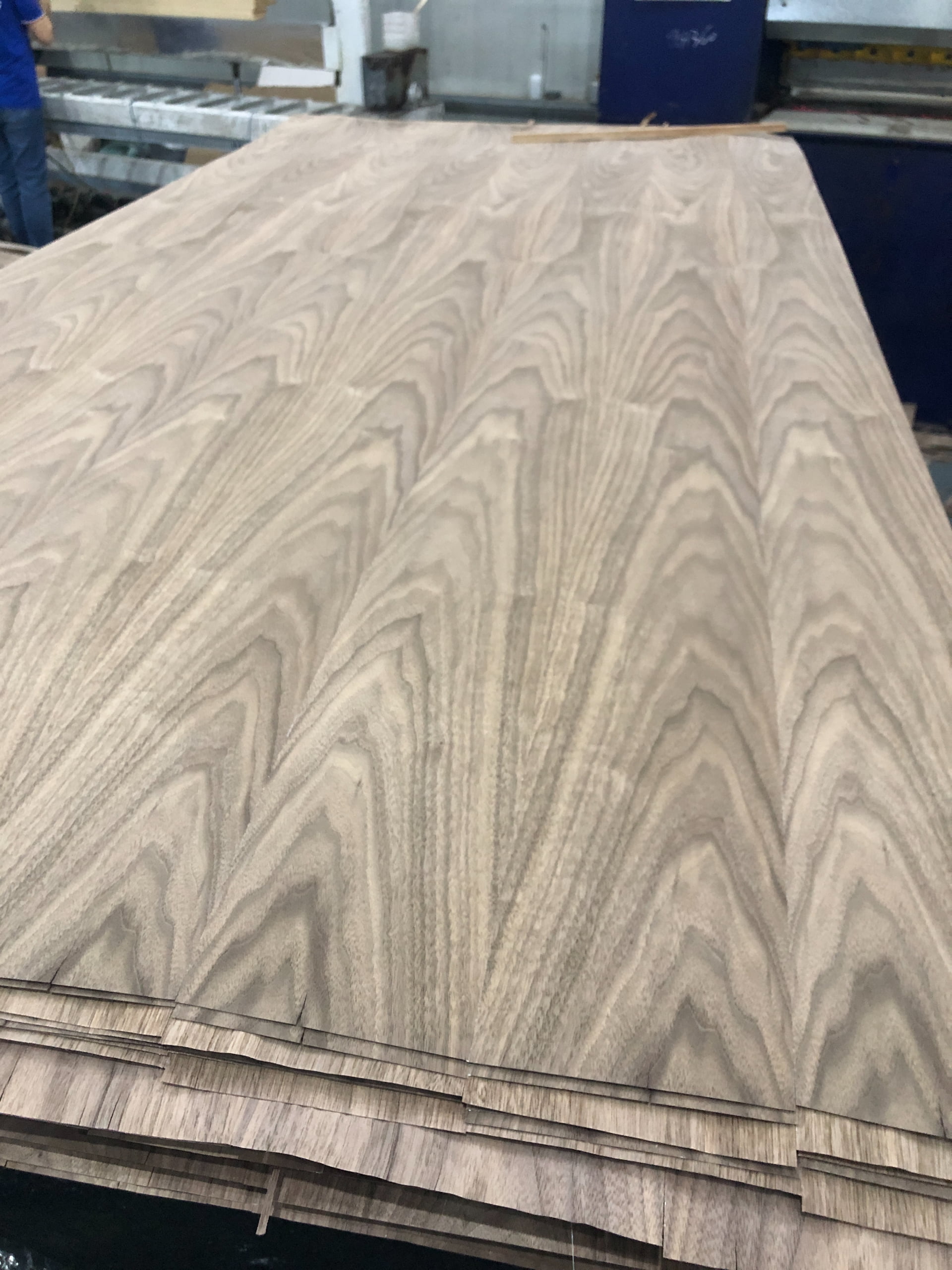
# Advantages Of Tzalam Veneer Panels: Why Furniture Manufacturers, Designers, and Importers Are Choosing This Premium Mexican Hardwood Alternative
For **furniture manufacturers, cabinet producers, architectural millwork companies, interior designers, building material distributors, hospitality procurement teams, retail furniture brands, import/export businesses, and woodworking professionals** evaluating **premium hardwood veneer panel options**—the decision between **traditional expensive species (walnut, cherry, teak) and emerging cost-effective alternatives** directly impacts **product margins, market positioning, aesthetic differentiation, supply chain reliability, and competitive pricing strategies**. Yet **tzalam veneer panels (Lysiloma latisiliquum)**—an increasingly popular **Mexican hardwood species**—remain surprisingly underutilized in international markets despite offering a compelling combination of **rich walnut-like aesthetics, excellent workability, sustainable availability, competitive pricing, consistent quality, versatile applications, and significant cost advantages** that address the exact pain points facing today’s furniture and millwork industries.
Whether you’re a **furniture brand manager** seeking to reduce material costs without compromising aesthetic quality, **cabinet manufacturer** requiring consistent veneer appearance across large production runs, **purchasing director** diversifying supply chains away from overpriced traditional species, **interior designer** specifying unique materials that differentiate projects, **distributor** evaluating emerging wood products with strong profit potential, **hospitality developer** standardizing materials across multi-property portfolios, **retail merchandising team** developing exclusive product lines with proprietary materials, **import entrepreneur** identifying under-exploited wood species with market opportunity, or **architectural millwork company** balancing aesthetic requirements with budget constraints—understanding the **specific advantages tzalam veneer panels deliver** versus alternative materials isn’t just about “finding cheaper wood”—it’s about making strategic decisions that improve **product quality, margin economics, supply reliability, market differentiation, and competitive positioning** while delivering the premium appearance customers expect.
Most companies discover tzalam veneer panels accidentally—through supplier recommendations, trade show encounters, or competitive product analysis—and make expensive mistakes: assuming “unknown species” means inferior quality, purchasing inadequate quantities for proper evaluation, applying inappropriate finishing techniques based on other species’ characteristics, underestimating market appeal due to unfamiliarity with the name, inadequate supplier vetting leading to quality inconsistencies, failing to properly position tzalam’s advantages in marketing, missing opportunities to substitute into existing product lines, and not recognizing the strategic timing advantages of adopting emerging species before competitors.
This comprehensive guide addresses every critical question companies should ask when evaluating tzalam veneer panels: **What specific advantages do tzalam panels offer versus alternative materials? How does quality and appearance compare to walnut, parota, oak, and other popular species? What are the real cost savings? What applications are ideal? How does workability compare? What are the sourcing and availability considerations? How do you position tzalam in product marketing? What quality variations exist? Who are the reliable suppliers? What are the manufacturing specifications? What finishing results can you expect? Why is now the right time to adopt tzalam?**
—
## Section 1: Aesthetic and Design Advantages
### Premium Appearance That Competes with High-End Species
**Advantage #1: Walnut-Like Richness at Substantially Lower Cost**
**The Walnut Comparison:**
**Visual Similarities to Black Walnut:**
– **Color range:** Medium to rich brown tones with warm undertones
– **Subtle grain:** Attractive but not overly dramatic cathedral patterns
– **Refined character:** Professional, upscale appearance suitable for premium furniture
– **Finishing response:** Develops similar depth and richness with oil/lacquer finishes
– **Aging characteristics:** Both deepen in color with light exposure over time
**Where Tzalam Differs (And Why That’s Advantageous):**
**More Consistent Color:**
– **Walnut challenge:** Significant color variation (light sapwood to dark heartwood; purple tones to chocolate brown)
– **Tzalam advantage:** More uniform color range; less dramatic variation between boards
– **Manufacturing benefit:** Easier color matching across production runs; reduced sorting labor; less waste from color mismatches
– **Customer benefit:** Consistent appearance in finished products; fewer customer complaints about color variation
**Example:** Cabinet manufacturer producing 50-unit hospitality project:
– **Walnut panels:** Requires extensive pre-sorting; 15-20% additional material purchase to achieve color consistency; significant labor hours matching panels
– **Tzalam panels:** Minimal sorting required; 5-8% overage sufficient; dramatically reduced labor costs
– **Result:** $3,500-5,000 savings per project on 50-cabinet installation
**More Predictable Grain:**
– **Walnut challenge:** Can exhibit dramatic grain variation; wild grain in some boards complicates matching
– **Tzalam advantage:** Generally straighter, more consistent grain; predictable appearance
– **Design benefit:** Easier to create cohesive product lines with consistent aesthetic
– **Production benefit:** Reduced panel rejection due to “wrong” grain appearance
**Golden Undertones (Distinctive Character):**
– **Tzalam uniqueness:** Subtle golden/honey undertones not found in walnut
– **Market positioning:** “Warm walnut alternative” or “golden walnut aesthetic”
– **Customer appeal:** Appeals to customers seeking walnut richness without cool/purple tones
– **Trend alignment:** Matches current design trends favoring warm, inviting wood tones
**Cost Reality:**
**Black Walnut Veneer Panels (North American market, 2024):**
– **Premium grade panels:** $85-125 per sheet (4’x8′ / 1220x2440mm)
– **Standard grade panels:** $65-85 per sheet
– **Import walnut panels:** $55-75 per sheet (European or Asian sources)
**Tzalam Veneer Panels (Mexican source, 2024):**
– **Premium grade panels:** $35-50 per sheet (4’x8′)
– **Standard grade panels:** $28-38 per sheet
– **Container pricing:** Volume purchases further reduce unit costs
**Savings Calculation:**
**Example: Mid-Range Product Line**
Comparing standard-grade materials:
– **Walnut panels:** $70/sheet average
– **Tzalam panels:** $33/sheet average
– **Savings:** $37/sheet = **53% cost reduction**
**For furniture manufacturer producing:**
– **100 dining tables per month**
– **4 panels per table** = 400 panels monthly
– **Monthly savings:** $14,800
– **Annual savings:** $177,600
**Margin Impact (assuming 40% material cost in product):**
– Additional gross margin improvement: $177,600 annually
– OR price reduction to gain market share while maintaining margins
– OR combination: modest price reduction + improved margin
**Design Flexibility:** Savings can be reallocated to:
– **Upgraded hardware** (improving perceived quality)
– **Enhanced joinery** (dovetails vs dowels; adding value)
– **Better packaging** (improving unboxing experience)
– **Marketing investment** (building brand awareness)
—
**Advantage #2: Sophisticated Elegance Without Excessive Figure**
**The “Appropriate Character” Principle:**
Not every application benefits from highly figured, dramatic wood grain. Many projects require **refined, professional appearance with subtle character**—where tzalam excels.
**Ideal Applications for Tzalam’s Moderate Figure:**
**Commercial Furniture:**
– **Office desks and credenzas:** Professional appearance; not distracting
– **Conference tables:** Elegant without overwhelming
– **Reception furniture:** Warm, welcoming aesthetic
– **Why tzalam works:** Provides upscale appearance without “look at me” drama inappropriate for professional settings
**Hospitality Furniture:**
– **Hotel room furniture:** Timeless elegance; won’t visually date
– **Restaurant tables:** Attractive but lets food/atmosphere be focus
– **Lobby millwork:** Sophisticated without dominating space
– **Why tzalam works:** Background elegance that enhances rather than competes with interior design
**Residential Cabinetry:**
– **Kitchen cabinets:** Rich appearance; complements (doesn’t fight) countertops, backsplashes, appliances
– **Bathroom vanities:** Warm, spa-like aesthetic
– **Built-in bookcases/entertainment centers:** Cohesive with room design
– **Why tzalam works:** Consistent appearance across large surface areas; doesn’t create visual chaos with too much pattern
**Contract Furniture:**
– **Multi-family residential projects:** Consistent, appealing appearance that photographs well for marketing
– **Senior living facilities:** Warm, residential character without maintenance challenges of highly figured woods
– **Educational institutions:** Durable, professional appearance within budget constraints
– **Why tzalam works:** Balances aesthetic quality with practical budget and maintenance considerations
**Comparison to Highly Figured Woods:**
**Parota/Guanacaste:**
– **Character:** Dramatic grain; bold cathedral patterns; significant color variation
– **Best applications:** Accent pieces; statement furniture; small quantities where drama desired
– **Challenge:** Difficult to use consistently across large projects; expensive; can overwhelm designs
**Figured Walnut/Curly Maple:**
– **Character:** Intense chatoyance; eye-catching patterns
– **Best applications:** Specialty pieces; musical instruments; art furniture
– **Challenge:** Very expensive; limited availability; can appear “busy” in volume
**Tzalam’s Strategic Position:**
– **Character:** Attractive but restrained; elegant without excess
– **Advantage:** Suitable for both accent pieces AND large-volume applications
– **Market positioning:** “Sophisticated simplicity”—appeals to contemporary design sensibilities favoring clean lines and understated luxury
**Design Professional Testimonial Pattern:**
Interior designers consistently report: *”Tzalam gives us the rich wood aesthetic clients want without competing with other design elements. It’s sophisticated enough for high-end projects but doesn’t limit our design flexibility.”*
—
**Advantage #3: Versatile Color Palette for Diverse Finishing Options**
**Natural Color as Foundation:**
Tzalam’s **medium golden-brown base color** accepts a wide range of stains and finishes—offering designers flexibility to achieve specific aesthetic targets.
**Finishing Versatility:**
**Natural/Clear Finish:**
– **Result:** Warm golden-brown with subtle honey undertones
– **Market appeal:** Scandinavian/contemporary aesthetic; natural wood movement
– **Applications:** Modern furniture; eco-conscious product lines; residential casual furniture
– **Finishing products:** Danish oil, natural hardwax oil, matte polyurethane, water-based finishes
**Medium Stains (Enhancing Natural Color):**
– **Result:** Enriched brown tones; enhanced grain contrast
– **Popular options:** Honey oak, golden walnut, natural walnut tones
– **Market appeal:** Traditional furniture; transitional styles; broad market acceptance
– **Applications:** Dining sets, bedroom furniture, office furniture
**Dark Stains (Walnut/Espresso):**
– **Result:** Rich dark brown; walnut-like appearance; depth and sophistication
– **Cost advantage:** Achieves “expensive walnut look” at fraction of walnut cost
– **Market positioning:** Premium appearance; luxury furniture lines
– **Applications:** High-end residential furniture; hospitality luxury tier; executive office furniture
**Lighter Stains (Bleached/Weathered Effects):**
– **Result:** Contemporary light wood aesthetics; Scandinavian-inspired tones
– **Trend alignment:** Current interior design trends favor lighter woods
– **Market appeal:** Coastal, contemporary, minimalist design styles
– **Applications:** Modern residential furniture; boutique retail fixtures; contemporary office furniture
**Specialty Finishes:**
– **Gray stains:** Achieves trendy “driftwood” or industrial aesthetics
– **Whitewashed:** Creates farmhouse/shabby chic appearance
– **Two-tone effects:** Base color contrasts with painted elements
– **Glazing techniques:** Enhanced grain depth for traditional furniture
**Production Advantage:**
**Single Species, Multiple Product Lines:**
Using tzalam as base material, manufacturer can produce:
– **Natural collection:** Clear finish; modern aesthetic; price point $X
– **Traditional collection:** Medium walnut stain; classic styling; price point $X+20%
– **Luxury collection:** Dark espresso finish; premium hardware; price point $X+50%
**Business Benefits:**
– **Inventory simplification:** Single veneer panel SKU serves multiple product lines
– **Volume purchasing:** Larger quantities = better pricing
– **Production efficiency:** Familiarity with single species improves quality consistency
– **Reduced complexity:** Fewer material types to manage, store, and track
**Competitor Challenge:** Companies using actual walnut cannot shift to espresso finishes (defeats purpose of expensive walnut). Tzalam’s versatility creates product line flexibility competitors lack.
—
**Advantage #4: Consistent Quality Across Production Runs**
**The Hidden Cost of Variation:**
Material inconsistency creates expensive operational problems:
– Production delays sorting and matching materials
– Waste from rejected panels not meeting aesthetic standards
– Customer complaints about color/grain variation in delivered products
– Quality control labor inspecting every panel
– Warranty claims for “mismatched” furniture sets
**Tzalam’s Consistency Advantage:**
**Color Consistency:**
– **Tight natural range:** Most tzalam veneer falls within relatively narrow color spectrum (golden-brown to medium brown)
– **Less sorting required:** 80-90% of panels acceptable without sorting (vs 60-70% for highly variable species)
– **Predictable aging:** Consistent darkening patterns; products photographed today match actual delivered products
**Grain Consistency:**
– **Predicatable patterns:** Generally straight to slightly cathedral grain; few “wild” boards
– **Manufacturing benefit:** Less panel rejection due to unexpected grain patterns
– **Customer benefit:** Cohesive appearance when multiple pieces grouped (bedroom sets, dining sets)
**Quality Control Simplified:**
**Inspection Process:**
– **Veneer panels:** Quick visual inspection confirms quality tier (premium/standard/rustic)
– **Defect predictability:** Typical defects (small mineral streaks, occasional pin knots) easily identified
– **Acceptance rates:** Higher percentage of panels pass QC without special handling
**Real-World Example:**
**Furniture Manufacturer Case Study (Identity Confidential):**
**Previous Material:** Mixed tropical hardwoods (parota primary; substituted others when parota supply inconsistent)
**Challenges:**
– Every container required 6-8 hours sorting panels by color/grain
– 12-15% panels rejected for color mismatch (held as “backup” inventory or sold as seconds)
– Customer complaints about variation: 4-5% of orders
– Quality control staffing: 2 full-time employees dedicated to panel inspection/sorting
**After Switching to Tzalam:**
– Sorting time reduced to 2-3 hours per container (mostly confirming grade, minimal color sorting)
– Panel rejection rate: 3-5% (primarily actual defects, not aesthetic variation)
– Customer complaints about variation: <1% of orders
- Quality control staffing: Redeployed 1.5 employees to production; maintained 0.5 FTE for inspection
**Financial Impact:**
- Labor savings: ~$45,000 annually
- Reduced waste: ~$18,000 annually in material recovery
- Customer service improvement: Fewer returns/replacements (~$8,000 annually)
- **Total operational benefit:** $71,000 annually
- **PLUS original material cost savings:** $140,000 annually (switching from parota)
- **Combined benefit:** $211,000 annually for 250-employee furniture manufacturer
---
## Section 2: Cost and Economic Advantages
### Strategic Pricing Benefits That Improve Business Performance
**Advantage #5: Significant Material Cost Reduction vs Premium Hardwoods**
**Comprehensive Cost Comparison (2024 Market Rates):**
**Premium Hardwood Veneer Panel Costs (4'x8' / 18mm plywood):**
| Species | Premium Grade | Standard Grade | Economy Grade | Typical Origin |
|---------|--------------|----------------|---------------|----------------|
| **Black Walnut** | $95-125 | $70-90 | $55-70 | USA/Canada |
| **Cherry** | $75-95 | $55-75 | $45-60 | USA/Canada |
| **White Oak** | $65-85 | $50-65 | $40-55 | USA/Europe |
| **Teak** | $120-180 | $90-120 | $70-95 | Southeast Asia |
| **Parota/Guanacaste** | $55-75 | $40-55 | $30-45 | Mexico/C.America |
| **Acacia** | $38-52 | $28-40 | $22-32 | Southeast Asia |
| **TZALAM** | **$38-52** | **$30-40** | **$24-32** | **Mexico** |
**Key Observations:**
1. **Tzalam pricing = Acacia pricing tier** BUT delivers **walnut-like aesthetic** (acacia cannot match)
2. **40-60% savings vs walnut** with comparable appearance
3. **30-40% savings vs cherry** with similar warm tones
4. **20-30% savings vs parota** with MORE consistent quality
5. **Competitive with economy oak** while delivering richer, warmer aesthetic
**Volume Pricing Impact:**
**Container-Direct Purchasing (Typical: 20' Container = ~850-900 sheets):**
**Example Pricing Scenario:**
**Standard-Grade Tzalam Panels:**
Comments