
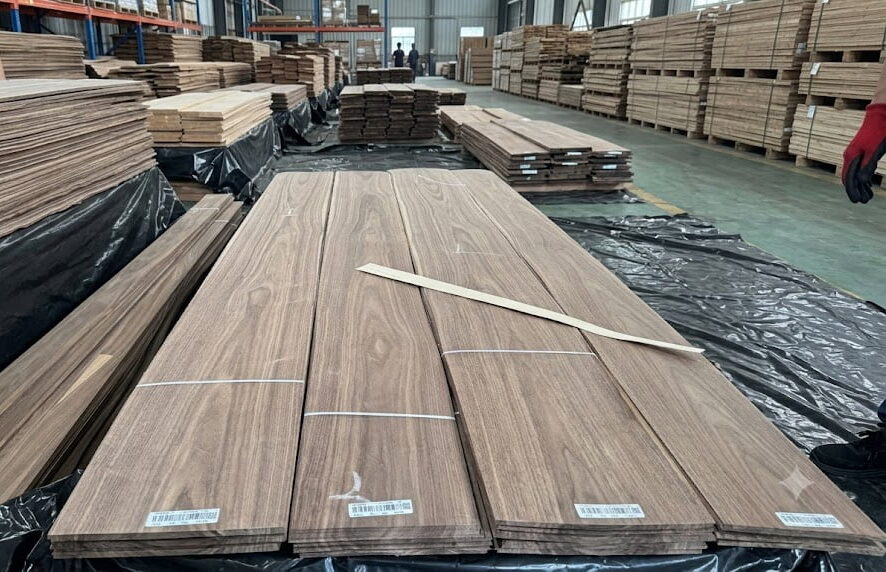
Ultimate Guide to Walnut Wood: Characteristics, Uses and Buying Tips
Walnut wood stands among the most prestigious and sought-after hardwood species in fine furniture manufacturing, architectural millwork, and premium cabinetry worldwide, prized for its rich chocolate-brown coloration, exceptional workability, and timeless aesthetic appeal. As a professional walnut veneer and lumber supplier serving furniture manufacturers, cabinet makers, interior contractors, and wood product distributors globally, we understand that walnut’s combination of visual elegance and technical performance creates unique value for projects demanding both beauty and functionality. Whether specified for high-end residential furniture, commercial architectural installations, or specialty applications ranging from musical instruments to luxury gunstocks, walnut wood delivers distinctive character and craftsmanship quality that justifies its premium market position.
This comprehensive guide provides furniture manufacturers, wood product buyers, and design professionals with detailed technical information, practical application insights, and sourcing guidance necessary for confident walnut wood and veneer selection. From understanding the differences between Black walnut and European walnut species to evaluating quality grades, comparing pricing structures, and selecting between solid lumber and veneer applications, this resource addresses the critical factors influencing successful walnut wood procurement for commercial and industrial applications.
- What is Walnut Wood? Overview and Species Types
- Walnut Wood Characteristics: Color, Grain and Texture
- Physical and Mechanical Properties of Walnut Wood
- Walnut Wood Applications: From Furniture to Gunstocks
- Advantages of Walnut Wood for Fine Furniture
- Disadvantages and Limitations of Walnut Wood
- Walnut Wood vs Oak vs Cherry: Complete Comparison
- Walnut Veneer vs Solid Walnut: Which to Choose?
- How to Identify Genuine Walnut Wood
- Walnut Wood Pricing: Cost Factors and Market Rates
- How to Choose Quality Walnut Wood and Veneer
- Finishing and Maintaining Walnut Wood Furniture
- Frequently Asked Questions
What is Walnut Wood? Overview and Species Types
Walnut represents a genus (Juglans) of deciduous hardwood trees producing some of the world’s most valued timber for fine woodworking, with approximately 21 species distributed across temperate regions of North America, Europe, and Asia. However, commercial walnut lumber and veneer production concentrates primarily on two species that dominate the global market: Black walnut (Juglans nigra) from North America and European walnut (Juglans regia, also called English walnut) from Europe and Asia. Both species share the characteristic rich brown coloration, excellent working properties, and premium aesthetic appeal that define walnut as a luxury hardwood, though subtle differences in color tone, grain character, and availability distinguish these two commercially important types.

The walnut tree has been cultivated and harvested for millennia—archaeological evidence suggests walnut wood usage in furniture and architectural elements dating back to ancient Greek and Roman civilizations, where the species’ beauty and workability were already recognized and valued. Throughout the Renaissance period, European craftsmen utilized walnut extensively for fine furniture, decorative carvings, and architectural paneling, establishing walnut’s reputation as the preeminent choice for prestigious woodworking projects. This historical significance continues in contemporary markets where walnut maintains premium pricing and prestigious positioning in high-end furniture and architectural applications worldwide.
Black Walnut (American Walnut)
Scientific name: Juglans nigra
Origin: Eastern United States and southern Canada
Commercial availability: Primary commercial walnut species in North America
Black walnut represents the most commercially significant walnut species in North America and commands the highest market prices among walnut varieties due to its superior color richness and distinctive appearance characteristics. Native to the eastern United States—particularly abundant in states including Ohio, Indiana, Missouri, and throughout the Appalachian region—Black walnut grows as a large deciduous tree reaching heights of 30-40 meters with trunk diameters exceeding 1 meter in mature specimens. The species thrives in rich, well-drained soils of river valleys and lower mountain slopes where it develops the clear, straight-grained lumber most valued for fine woodworking applications.
Color characteristics: Black walnut heartwood exhibits the deepest, richest coloration among commercial walnut species—ranging from rich chocolate brown to dark purplish-brown with occasional darker streaks creating dramatic figure and visual interest. This distinctive dark coloration develops as the tree matures, with the deepest, most desirable colors appearing in heartwood from larger, older trees. The sapwood contrasts sharply—appearing nearly white to pale cream—creating the significant color variation between heartwood and sapwood regions that influences lumber grading and veneer manufacturing processes. Black walnut’s color gradually darkens further with exposure to light and air, developing deeper, more complex tones over years of service that enhance the wood’s prestigious appearance.
Grain and texture: Black walnut typically displays straight grain patterns, though boards cut from crotch areas, burls, or trees grown under stress conditions may exhibit wavy, curly, or highly figured grain commanding premium prices for specialty applications. The wood’s texture is medium to coarse with moderately large pores visible to the naked eye, though finer and more uniform than oak’s pronounced open-grain structure. This texture combines with the rich color to create walnut’s signature sophisticated appearance—elegant rather than rustic, refined rather than bold—making it the preferred species for contemporary furniture designs emphasizing understated luxury and natural material beauty.
Market position: Black walnut commands the highest prices among domestically harvested North American hardwoods due to limited supply relative to demand, slow growth rates requiring decades to produce commercially valuable timber, and strong preference from furniture manufacturers and consumers for its distinctive appearance. Sustainable forestry management and increasing plantation cultivation help maintain supply, though wild-harvested walnut from mature natural stands remains most highly valued for premium applications.
European Walnut (English Walnut)
Scientific name: Juglans regia
Origin: Europe, western Asia, and cultivated in China and California
Commercial availability: Widely available in Europe and Asia, limited in North America
European walnut—also commonly called English walnut, French walnut, or Italian walnut depending on geographic origin—represents the primary commercial walnut species in European markets and has been cultivated extensively throughout temperate regions of Europe and Asia for both nut production and timber harvest. The species is indigenous to regions from southeastern Europe through the Himalayas and has been introduced and cultivated in suitable climates worldwide, including California where orchards produce both nuts and incidental lumber. European walnut exhibits growth characteristics, working properties, and aesthetic qualities very similar to Black walnut, though subtle differences in color tone and market pricing create distinct market positions for each species.
Color characteristics: European walnut heartwood displays slightly lighter coloration compared to Black walnut—typically showing warm brown tones ranging from golden-brown to medium chocolate brown with more golden or grayish undertones rather than Black walnut’s purplish cast. Some sources describe European walnut as having more “living” color with warmer, lighter tones that appear less somber than Black walnut’s deep, dark richness. The sapwood appears lighter—cream to light tan—though the contrast between heartwood and sapwood is generally less dramatic than in Black walnut. Regional variation exists within European walnut depending on growing conditions—Italian walnut often exhibits slightly darker tones than northern European sources, while Asian-grown European walnut may show characteristics intermediate between European and Asian species.
Grain and texture: European walnut grain patterns closely resemble Black walnut—typically straight, sometimes wavy, with figured wood from crotches and burls highly prized for veneer manufacturing. The texture is medium with smaller pores than Black walnut in some cases, contributing to a slightly finer, more uniform surface appearance. European walnut often exhibits more varied grain patterns than Black walnut due to the species’ wider geographic distribution and diverse growing conditions influencing wood character.
Market position: European walnut generally commands lower prices than Black walnut in international markets, making it an economical alternative for projects requiring walnut’s aesthetic appeal without justifying Black walnut’s premium cost. However, European walnut from specific premium sources (particularly Italian walnut and figured French walnut) may achieve pricing comparable to or exceeding standard Black walnut depending on figure, color, and source reputation. In European markets
Comments