
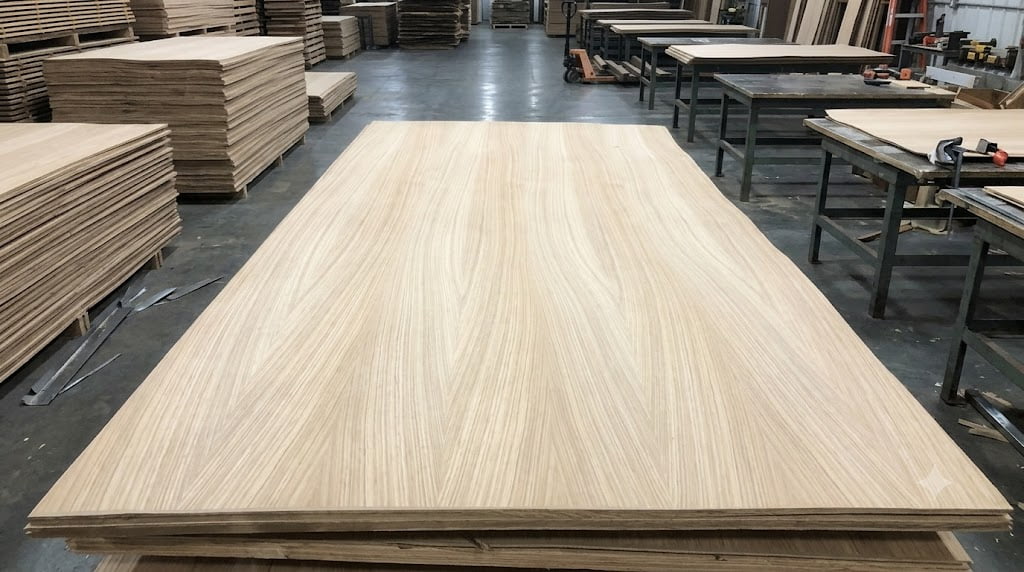
Red Oak vs White Oak: What’s the Difference and Which Is Better?
Red oak and white oak represent two of the most popular hardwood species for flooring, cabinetry, furniture, and architectural millwork in North America—yet the differences between these closely related species significantly impact their suitability for specific applications. As a professional hardwood veneer and lumber supplier, we regularly advise furniture manufacturers, cabinet makers, and construction contractors on species selection to ensure optimal performance, aesthetics, and value for their projects. While both species come from the Quercus genus and share the fundamental characteristics that make oak a premier hardwood choice, understanding their distinct properties enables informed material selection that balances appearance preferences, durability requirements, and budget considerations.
This comprehensive comparison covers everything from visual appearance and physical properties to application-specific performance and cost factors. Whether you’re selecting hardwood flooring for a residential project, specifying cabinet materials for a commercial kitchen, sourcing veneer for furniture manufacturing, or simply trying to understand which oak species better suits your needs, this guide provides the technical information and practical insights necessary to make confident material decisions.
- Red Oak vs White Oak: Key Differences at a Glance
- Appearance Differences: Color and Grain Pattern
- Physical Properties: Hardness, Density and Durability
- Water Resistance and Outdoor Use Comparison
- Red Oak vs White Oak for Hardwood Flooring
- Red Oak vs White Oak for Kitchen Cabinets
- Red Oak vs White Oak for Furniture
- Staining and Finishing: How Each Species Takes Color
- Cost Comparison: Red Oak vs White Oak Pricing
- How to Identify Red Oak vs White Oak
- Which Is Better: Red Oak or White Oak?
- Frequently Asked Questions
Red Oak vs White Oak: Key Differences at a Glance
Before diving into detailed comparisons, this quick reference table summarizes the fundamental differences between red oak and white oak to provide immediate clarity for decision-making:
| Characteristic | Red Oak | White Oak |
|---|---|---|
| Color | Pinkish to reddish-brown with salmon undertones | Light tan to medium brown with golden/olive undertones |
| Grain Pattern | Open, pronounced grain with visible pores | Tighter, more subtle grain with smaller pores |
| Janka Hardness | 1,290 lbf | 1,360 lbf (5% harder) |
| Water Resistance | Moderate (open pore structure) | Excellent (tyloses block pores) |
| Rot Resistance | Low (indoor use only) | High (suitable for outdoor applications) |
| Cost | Lower (baseline pricing) | 10-30% higher than red oak |
| Best For | Traditional interiors, budget-conscious projects, stained finishes | Contemporary design, high-traffic areas, moisture-prone environments |

Both species are harvested from abundant North American forests, with red oak (Quercus rubra) and white oak (Quercus alba) representing the most commercially significant species within their respective groups. The “red oak” and “white oak” designations actually encompass multiple related species—the red oak group includes northern red oak, southern red oak, and several other varieties, while the white oak group includes true white oak, swamp white oak, and post oak among others. However, commercial lumber and veneer typically derives from the primary species (Quercus rubra for red oak, Quercus alba for white oak) which exhibit the characteristic properties discussed throughout this guide.
Appearance Differences: Color and Grain Pattern
The most immediately noticeable differences between red oak and white oak manifest in visual appearance—specifically color tone and grain character. These aesthetic distinctions drive species selection for many projects where appearance takes priority over technical performance factors, particularly in applications where wood remains visible rather than painted or heavily treated.

Red Oak Color and Grain Characteristics
Red oak derives its name from the distinct pinkish to reddish-brown coloration that characterizes the heartwood, though the intensity of red tones varies considerably based on growing conditions, specific subspecies, and individual tree characteristics. The sapwood appears much lighter—nearly white to light tan—creating significant color variation within boards unless specifically graded for color consistency. Most red oak lumber and veneer exhibits a warm salmon-pink undertone that becomes more pronounced under natural lighting and tends to deepen slightly with age and exposure to UV light.
Grain Pattern: Red oak features a bold, open grain structure with prominent pore channels clearly visible to the naked eye, particularly on flat-sawn (plain-sawn) surfaces. This pronounced grain creates dramatic cathedral patterns and swirling figure on tangentially cut surfaces, contributing to red oak’s traditional appearance favored in classic American interior design. The large, open pores require grain filling for smooth finishes in high-end applications, though many contemporary treatments embrace the textured surface as a design feature. Quarter-sawn red oak displays prominent “ray fleck” medullary rays appearing as light-colored flecks perpendicular to the grain—a characteristic highly prized for Arts & Crafts style furniture and Mission oak reproductions.
Visual Character: Red oak generally presents busier, more active grain patterns compared to white oak, making it well-suited for traditional interior styles where visual warmth and character are desired. The combination of pink undertones and pronounced grain creates a distinctly “woody” appearance that reads as traditional hardwood flooring or cabinetry—the archetypal oak look many homeowners envision when specifying natural wood finishes.
White Oak Color and Grain Characteristics
White oak exhibits more neutral coloration compared to its red cousin, with heartwood ranging from light tan to medium brown with subtle golden or olive undertones. The lack of pink or red tones provides greater color neutrality, making white oak more compatible with contemporary interior design palettes favoring cooler, more muted natural wood tones. White oak sapwood appears cream to light tan, creating less dramatic color variation between sapwood and heartwood regions compared to red oak—an advantage for applications requiring consistent appearance across large surface areas.
Grain Pattern: White oak features tighter, more subtle grain patterns with smaller pore structures less visible to casual observation. The overall grain character appears smoother and more refined compared to red oak’s bold figure, though flat-sawn surfaces still display attractive cathedral patterns and natural figure. The smaller pores rarely require grain filling for smooth finishes, simplifying finishing processes for furniture makers and cabinet manufacturers. Quarter-sawn white oak showcases dramatic ray fleck figure even more prominent than red oak—creating the iconic “tiger stripe” or “flake” appearance highly valued in Arts & Crafts furniture, where quarter-sawn white oak became the signature material.
Visual Character: White oak’s more subtle grain and neutral color create sophisticated, understated aesthetic compatible with both traditional and contemporary design styles. The
Comments