
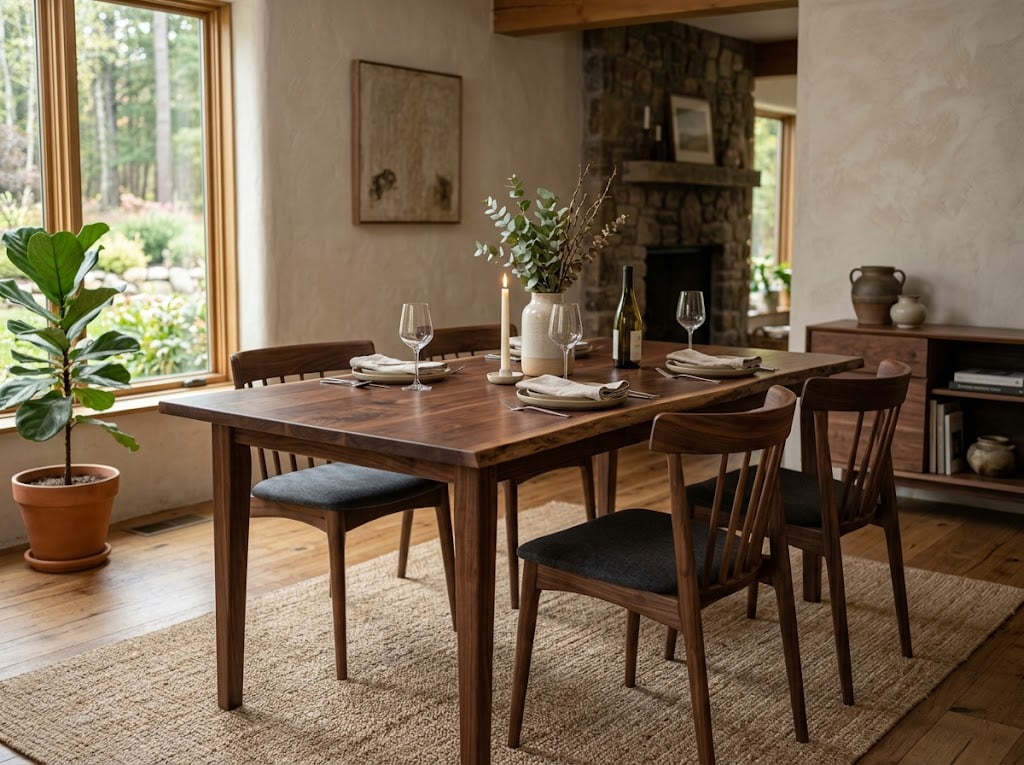
Why Walnut Is Popular In Luxury Furniture: 7 Reasons Designers Choose This Premium Wood
Walk into any high-end furniture showroom, browse luxury interior design portfolios, or examine the product lines of prestigious furniture brands like Herman Miller, Knoll, or Roche Bobois, and you’ll notice a consistent pattern: walnut wood dominates luxury furniture like no other material. From iconic mid-century modern masterpieces to contemporary designer pieces commanding five-figure price tags, walnut has maintained its position as the preferred wood species for discerning furniture makers, interior designers, and luxury homeowners for centuries.
But why is walnut so popular in luxury furniture? What distinguishes this particular wood species from dozens of other hardwood options? Why do premium furniture manufacturers consistently choose walnut despite its higher cost? And what makes walnut furniture worth the investment for homeowners seeking pieces that combine beauty, durability, and timeless appeal? This comprehensive guide explores the aesthetic, technical, cultural, and practical reasons behind walnut’s unrivaled status in luxury furniture manufacturing—from its distinctive visual characteristics and superior physical properties to its design versatility, cultural associations, and investment value.
- The Timeless Appeal of Walnut in Fine Furniture
- Unmatched Aesthetic Qualities
- Superior Physical Properties
- Design Versatility Across Interior Styles
- Black Walnut vs European Walnut: Luxury Variations
- Walnut Compared to Other Luxury Woods
- The Psychology and Cultural Status of Walnut
- Iconic Luxury Furniture Pieces in Walnut
- Practical Advantages for Luxury Applications
- Frequently Asked Questions
- Source Premium Walnut Furniture and Materials
The Timeless Appeal of Walnut in Fine Furniture
Walnut’s dominance in luxury furniture isn’t a modern marketing trend or temporary design fashion—it represents a centuries-long tradition of master craftsmen recognizing this wood’s exceptional qualities for creating furniture destined to become heirlooms, design icons, and valuable antiques.

A Rich Heritage in Luxury Craftsmanship
Walnut has been prized for fine furniture since at least the 17th century, when European cabinetmakers discovered that European walnut (Juglans regia) possessed ideal characteristics for elaborate carvings, veneers, marquetry, and sophisticated joinery techniques. During the Renaissance and Baroque periods, walnut became the wood of choice for palace furniture, aristocratic estates, and wealthy merchant homes across Europe.
When European settlers reached North America, they discovered American black walnut (Juglans nigra)—a species even more striking than its European cousin, featuring darker chocolate-brown heartwood often streaked with purple, black, and reddish tones. By the 18th and 19th centuries, black walnut became synonymous with American fine furniture, particularly in Pennsylvania German, Shaker, and Victorian styles where its rich color and workability enabled master craftsmen to create pieces that remain highly valued antiques today.
This historical pedigree established walnut’s cultural association with quality, craftsmanship, and luxury—associations that continue to influence contemporary furniture design and consumer perceptions. When you purchase walnut furniture, you’re connecting to centuries of furniture-making tradition and proven material excellence.
Why Top Furniture Designers Choose Walnut
Modern furniture design legends—from George Nakashima and Sam Maloof to Charles and Ray Eames—consistently selected walnut for their most celebrated creations. The mid-century modern movement particularly elevated walnut furniture to iconic status, with designers recognizing how walnut’s warm tones, distinctive grain, and natural beauty complemented the clean lines, organic forms, and honest material expression central to mid-century design philosophy.
Contemporary luxury furniture brands continue this tradition. Herman Miller’s iconic Eames Lounge Chair reaches its highest expression in walnut veneer. Knoll’s Florence Knoll tables, credenzas, and desks showcase walnut’s ability to convey both warmth and corporate sophistication. Independent designer-makers command premium prices for custom walnut pieces because clients recognize the material’s intrinsic value and timeless appeal.
Designers choose walnut because it elevates their work—the material itself brings prestige, visual richness, and associations with quality craftsmanship that amplify the design’s impact and justify luxury pricing.
Unmatched Aesthetic Qualities
Beyond heritage and cultural associations, walnut’s aesthetic characteristics provide objective, visual reasons why this wood dominates luxury furniture manufacturing. The combination of color richness, grain complexity, natural luster, and aging characteristics creates visual appeal unmatched by most alternative wood species.

Rich, Sophisticated Color Palette
The most immediately recognizable characteristic of walnut wood is its distinctive color—a warm, sophisticated palette ranging from medium chocolate-brown to deep purplish-black in the heartwood, often with cream-colored sapwood providing dramatic contrast when incorporated into designs.
American black walnut typically displays darker, richer tones—deep chocolate-brown heartwood frequently streaked with purple, black, gray, and occasionally reddish hues. This color complexity creates depth and visual interest that solid-colored woods cannot match. Each board shows unique color variation, ensuring every walnut furniture piece has individual character.
European walnut generally exhibits lighter, more golden-brown tones with gray undertones, offering a slightly softer, more refined appearance preferred for certain traditional and contemporary European design aesthetics.
This natural color richness means walnut furniture requires minimal staining or color modification—the wood’s inherent beauty shines through clear finishes (oil, lacquer, polyurethane) that enhance rather than mask natural characteristics. The sophisticated color palette complements virtually any interior color scheme, from neutral minimalist spaces to richly layered traditional interiors, making walnut incredibly versatile for luxury applications.
Distinctive Grain Patterns and Natural Figure
Beyond color, walnut’s grain patterns provide exceptional visual interest. The wood typically shows straight grain in most boards, creating clean, refined appearances perfect for modern and contemporary furniture. However, walnut also produces spectacular figured variations that command premium prices:
Cathedral Grain: Quarter-sawn and rift-sawn walnut displays beautiful arched “cathedral” patterns created by growth ring orientation—elegant, flowing designs that add movement and sophistication to furniture surfaces.
Crotch Figure: Wood from the junction where tree trunks divide into branches shows dramatic “flame” or “feather” figure patterns—swirling, symmetrical designs prized for high-end veneers and statement furniture pieces.
Burl Figure: Walnut burls (abnormal growths producing densely packed dormant buds) create extraordinary swirling, eye-like patterns used for luxury veneers, inlays, and decorative accents—some walnut burl veneers sell for hundreds of dollars per square foot.
Curly/Quilted Figure: Occasional walnut boards display rippled “curly” or “quilted” figure caused by grain undulation—three-dimensional visual effects that seem to shift as viewing angles change, creating captivating surfaces for tabletops and cabinet
Comments