
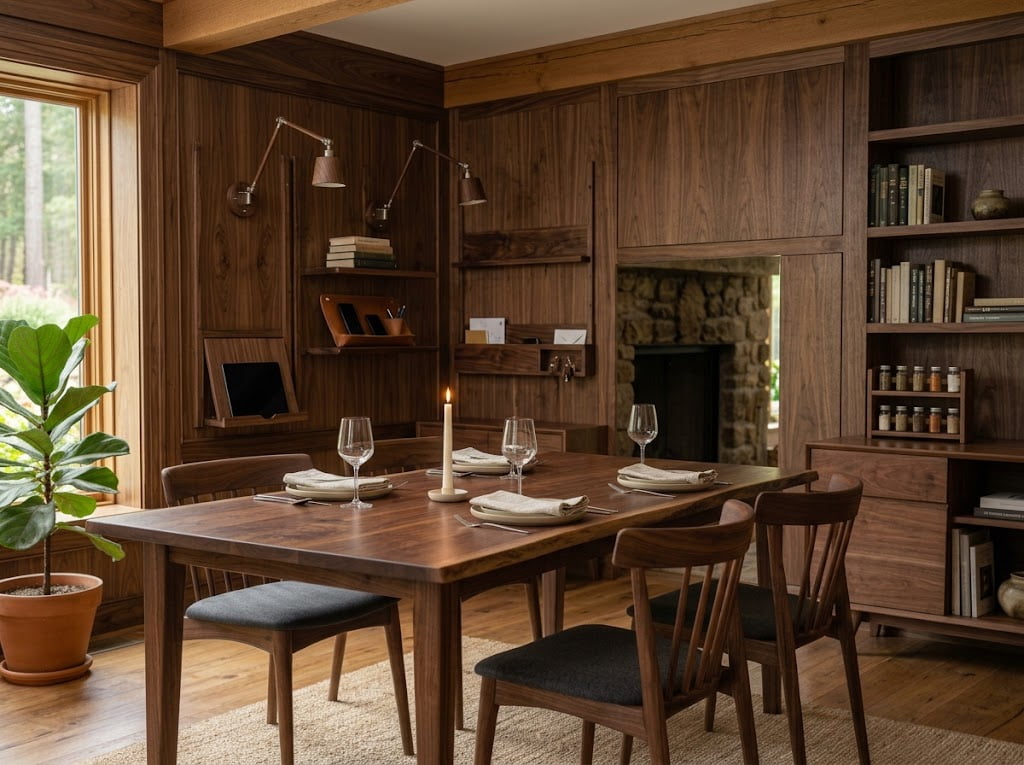
Walnut Wall Panel Applications: 25+ Creative Ideas for Every Room & Design Style (2024)
From residential living rooms and bedrooms to commercial offices, restaurants, and hotels, walnut wall panels have become one of the most versatile and sought-after interior design elements for creating sophisticated, warm, and visually striking spaces. Whether you’re a homeowner planning a living room renovation, an interior designer specifying materials for a boutique hotel, an architect designing a corporate office, or a contractor evaluating options for a restaurant project, understanding the full range of walnut wall panel applications helps you leverage this premium material’s unique aesthetic and functional qualities to maximum effect.
Unlike single-purpose decorative treatments, walnut wall panels adapt seamlessly to virtually any interior space—from intimate residential bedrooms and home offices to expansive commercial lobbies and dining areas—while working harmoniously across design styles ranging from sleek modern minimalism and mid-century modern to traditional elegance and rustic farmhouse aesthetics. This comprehensive guide explores 25+ proven walnut wall panel applications across residential and commercial settings, providing practical insights, creative inspiration, technical considerations, and design strategies to help you successfully incorporate walnut panels into your next interior project—covering room-specific applications, installation configurations, design style adaptations, lighting integration, material combinations, and selection guidance.
- Why Walnut Wall Panels Work Across Multiple Spaces
- Residential Walnut Wall Panel Applications
- Commercial Walnut Wall Panel Applications
- Installation Configurations and Formats
- Specific Functional Applications
- Design Style Applications
- Lighting Integration with Walnut Wall Panels
- Material Combinations and Coordination
- Practical Considerations by Application
- Creative and Unique Applications
- Choosing the Right Walnut Panels for Your Application
- Frequently Asked Questions
- Find Quality Walnut Wall Panels for Your Application
Why Walnut Wall Panels Work Across Multiple Spaces
Among dozens of wood species and decorative wall treatments available to designers and homeowners—from painted accent walls and wallpaper to stone cladding and tile—walnut wall panels stand out for their exceptional versatility, allowing the same material to work beautifully in a minimalist urban loft bedroom, a traditional suburban dining room, a contemporary corporate office, and a rustic mountain resort restaurant. Understanding what makes walnut panels so adaptable helps you identify opportunities to use them effectively in your projects.

Versatility Across Design Styles
Perhaps the most remarkable quality of walnut wall panels is their ability to enhance virtually any design aesthetic without feeling stylistically restrictive. The rich chocolate-brown to purplish-black tones of walnut wood possess an inherent neutrality—warm enough to add organic comfort, sophisticated enough to convey luxury, and refined enough to work within minimalist frameworks—that allows walnut to serve as either a bold focal point or a subtle supporting element depending on how you deploy it.
In modern minimalist interiors, flat-panel walnut cladding with clean horizontal lines and matte finishes provides organic warmth that prevents stark white or gray spaces from feeling cold or clinical—the natural grain adds visual interest without compromising minimal aesthetics. In mid-century modern spaces, walnut’s association with classic
Comments