
Walnut vs Parota: Complete Wood Comparison Guide for Furniture & Live Edge Tables
Choosing between walnut and parota wood determines your furniture project’s aesthetic direction, structural performance, and material investment. As a leading wood veneer and plywood manufacturer specializing in both North American classics and Latin American exotics, we supply furniture makers globally seeking distinctive species for contemporary and rustic designs. This comprehensive guide compares walnut vs parota across critical dimensions—color characteristics, hardness, pricing, live edge slab properties, and application suitability—enabling informed decisions for your cabinetry, live edge table, or luxury furniture manufacturing projects.
- Overview: Walnut vs Parota Wood Characteristics
- Species Origin: Walnut vs Parota Geographic Sources
- Walnut vs Parota: Color and Grain Comparison
- Hardness and Durability: Walnut vs Parota
- Walnut vs Parota Price Comparison
- Walnut vs Parota for Furniture Applications
- Walnut vs Parota Veneer and Plywood
- Workability and Finishing: Walnut vs Parota
- Sustainability: Walnut vs Parota Sourcing
- Design Styles: Walnut vs Parota Aesthetics
- Pros and Cons: Walnut vs Parota
- How to Choose Between Walnut and Parota
- Frequently Asked Questions
- Get Custom Walnut or Parota Products
Overview: Walnut vs Parota Wood Characteristics
Walnut and parota represent premium hardwoods serving distinct market segments—walnut dominating contemporary luxury furniture, parota capturing the growing rustic and live edge design market. Black walnut (Juglans nigra), North America’s most prestigious furniture wood, produces chocolate-brown heartwood with purple undertones and refined grain patterns. This slow-growing species commands premium pricing due to limited supply and consistent demand from high-end furniture manufacturers. Walnut’s moderate hardness (1,010 lbf Janka) balances workability with durability, making it ideal for executive cabinetry, decorative wall panels, and sophisticated furniture where refined aesthetics justify higher material costs.
Parota (Enterolobium cyclocarpum), also known as guanacaste or elephant ear tree, grows rapidly across Mexico, Central America, and northern South America. This tropical giant produces massive trunks up to 10 feet in diameter, yielding spectacular live edge slabs highly sought for statement dining tables and conference tables. Parota heartwood ranges from golden brown to rich reddish-brown with dramatic grain patterns, natural color variations, and distinctive figure creating visual movement absent in more uniform species. Despite softer density rating (approximately 550 lbf Janka—nearly half walnut’s hardness), parota offers excellent stability and workability at significantly lower costs.
The fundamental distinction lies in design positioning: walnut serves refined contemporary markets valuing color consistency and subtle elegance, while parota dominates rustic, natural edge, and organic modern designs emphasizing wood’s raw character. Parota’s significantly lower cost (40-60% less than walnut) enables larger-scale projects like massive live edge tables where walnut pricing would be prohibitive. Understanding these differences helps furniture manufacturers align species selection with target aesthetics and budget parameters.

Species Origin: Walnut vs Parota Geographic Sources
Geographic origin profoundly impacts availability, supply chain logistics, and sustainability credentials when comparing walnut vs parota. Black walnut grows naturally across eastern North America from southern Ontario through the Appalachian region to Texas, with commercial harvesting concentrated in Indiana, Ohio, Missouri, Iowa, and Kentucky. The species requires well-drained upland soils and temperate climates with distinct seasonal variations. Walnut timber comes primarily from natural forests and managed woodlots rather than plantations, requiring 60-80 years to reach harvest maturity. This slow growth cycle constrains supply despite ongoing replanting initiatives and sustainable forestry programs.
North American walnut export infrastructure is highly developed, with established grading standards (FAS, Select, No. 1 Common) and consistent container shipping to Europe, Asia, and Middle Eastern markets. Major U.S. hardwood exporters maintain year-round inventory and predictable lead times of 4-6 weeks for container orders. However, increasing domestic demand for walnut furniture and declining mature forest availability have elevated prices 45-55% over the past decade, motivating cost-conscious manufacturers to explore alternatives like parota.
Parota thrives across tropical and subtropical regions including western Mexico (Jalisco, Nayarit, Sinaloa), Guatemala, Costa Rica, Honduras, and extending south through Colombia and Venezuela. The species demonstrates remarkable growth speed, reaching harvest size in 25-35 years—less than half walnut’s maturation period. Parota tolerates diverse soil conditions and seasonal drought, growing naturally in both lowland forests and coastal regions. These characteristics support sustainable plantation forestry with significantly shorter rotation cycles compared to temperate hardwoods.
Mexican timber exporters have dramatically increased parota production over the past decade, responding to growing international demand for live edge slabs and rustic furniture materials. Export infrastructure from Pacific coast Mexican ports (Manzanillo, Lázaro Cárdenas) has improved logistics efficiency, though lead times typically extend 6-8 weeks for container shipments to Asia—slightly longer than established walnut supply chains. For plywood manufacturers in China, parota veneer arrives primarily through Mexican suppliers, while walnut sources from well-established North American exporters offering more predictable delivery schedules.
Walnut vs Parota: Color and Grain Comparison
Walnut Wood Appearance
Black walnut heartwood exhibits rich chocolate brown to deep purple-brown coloring with occasional darker mineral streaks adding subtle character. The sapwood appears cream to light brown, though furniture-grade walnut utilizes predominantly heartwood to ensure color consistency across large projects. Walnut typically displays straight to slightly wavy grain producing understated cathedral patterns in plain-sawn cuts and subtle ribbon striping in quarter-sawn material. This refined grain allows walnut’s luxurious color to dominate aesthetically, making it perfect for contemporary, transitional, and mid-century modern furniture designs emphasizing sophistication over dramatic figure.
Walnut’s fine, uniform texture (approximately 4-5 pores per mm) creates naturally smooth surfaces requiring minimal preparation for oil and lacquer finishes. The species demonstrates exceptional color stability, darkening minimally with UV exposure compared to lighter woods like maple or ash. Most furniture manufacturers apply clear natural finishes to preserve walnut’s inherent depth rather than staining. Bookmatched walnut veneer creates symmetrical patterns highly prized in executive desks, boardroom tables, and luxury cabinetry where visual continuity signals quality and craftsmanship.
Parota Wood Appearance
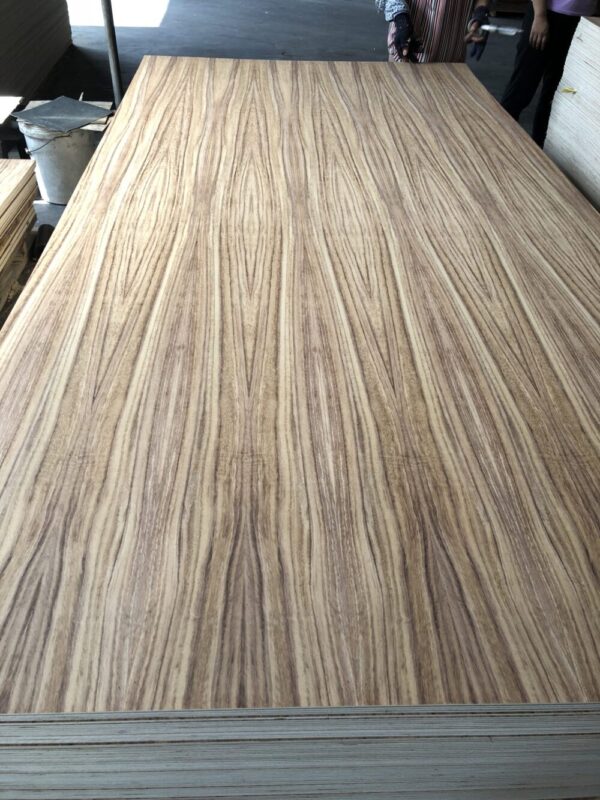
Parota heartwood ranges from light golden brown to rich reddish-brown with substantial color variation both within individual boards and between different logs. This natural color diversity creates visual interest fundamental to parota’s appeal in rustic and organic modern designs. The species frequently displays contrasting growth rings, mineral streaking, and irregular color zones producing dramatic figure absent in more uniform species like walnut. Parota’s grain patterns vary from straight in plantation-grown material to interlocked and wavy in old-growth specimens, creating dynamic visual movement highly valued in live edge applications.
Parota’s medium to coarse texture (approximately 6-8 pores per mm) creates more pronounced tactile presence than walnut’s refined surface. The open grain structure requires pore filling for ultra-smooth finishes in formal applications, though most manufacturers embrace parota’s natural texture with oil finishes that highlight grain depth and color variation. Parota darkens moderately with age and UV exposure, developing richer golden-orange tones over 1-2 years—a desirable characteristic for furniture gaining character through use and environmental interaction.
The species’ distinctive figure becomes most dramatic in rotary-cut veneer and live edge slabs where swirling grain, burl formations, and color variations create statement pieces. Parota’s bold aesthetic overwhelms minimalist contemporary designs favoring walnut’s subtlety but excels in rustic, lodge-style, and natural modern interiors celebrating wood’s organic character. Understanding these aesthetic differences helps furniture manufacturers target appropriate design markets—walnut for refined luxury segments, parota for distinctive character-driven projects at accessible price points.

Hardness and Durability: Walnut vs Parota
Janka hardness testing reveals significant differences when comparing walnut vs parota structural performance. Black walnut rates 1,010 lbf (pounds-force), positioning it as medium-hardness species suitable for residential furniture, decorative wall panels, and cabinetry experiencing moderate daily use. This hardness provides adequate dent resistance for dining tables, bedroom furniture, office desks, and credenzas while facilitating easier machining and finishing compared to harder species. Walnut’s density (approximately 38 lbs/ft³) offers sufficient structural strength for cabinet doors, drawer fronts, and veneered panels without excessive weight complicating installation.
Parota measures approximately 550 lbf on the Janka hardness scale—nearly 45% softer than walnut. This lower density (approximately 28-30 lbs/ft³) positions parota as relatively soft hardwood more comparable to pine or
Comments