
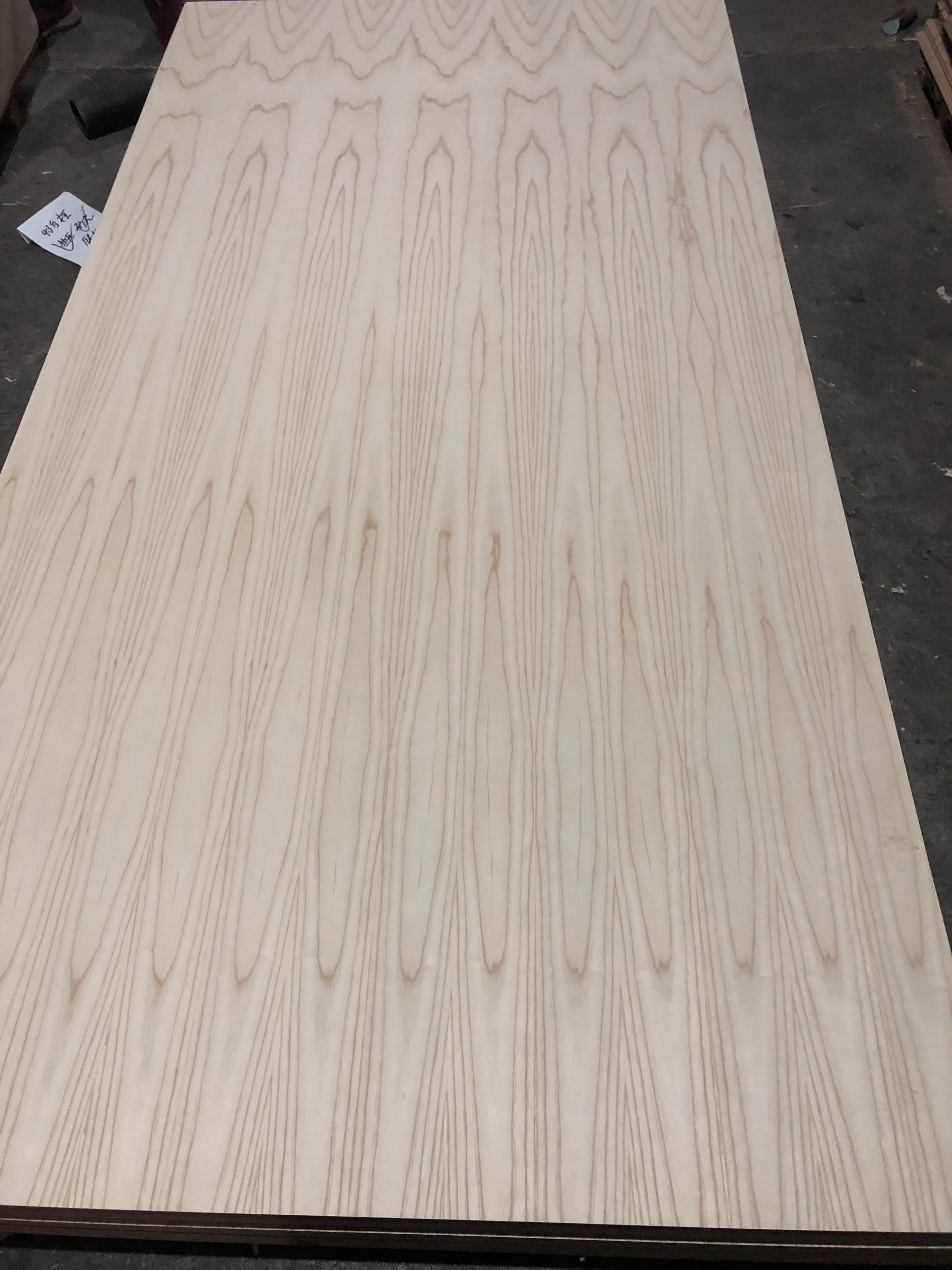
Walnut vs Ash: Complete Wood Comparison Guide for Furniture & Cabinets
Choosing between walnut and ash wood determines your furniture project’s visual impact, structural performance, and manufacturing efficiency. As a leading wood veneer and plywood manufacturer, we supply both species to furniture makers globally and observe distinct market preferences for each. This comprehensive guide compares walnut vs ash across critical dimensions—color contrast, hardness, cost, workability, and application suitability—enabling informed decisions for your cabinetry, wall panel, or furniture production projects.
- Overview: Walnut vs Ash Wood Characteristics
- Walnut vs Ash: Color and Grain Comparison
- Hardness and Durability: Walnut vs Ash
- Walnut vs Ash Price Comparison
- Walnut vs Ash for Furniture Applications
- Walnut vs Ash Veneer and Plywood
- Workability: Walnut vs Ash
- Pros and Cons: Walnut vs Ash
- How to Choose Between Walnut and Ash
- Frequently Asked Questions
- Get Custom Walnut or Ash Products
Overview: Walnut vs Ash Wood Characteristics
Walnut and ash represent opposite ends of the hardwood color spectrum while offering comparable performance in furniture applications. Black walnut (Juglans nigra), prized for its chocolate-brown heartwood with purple undertones, creates dramatic visual statements in contemporary and luxury furniture. The species grows slowly across North America, producing tight grain patterns and commanding premium pricing. Walnut’s moderate hardness (1,010 lbf Janka) balances workability with durability, making it ideal for cabinetry, decorative panels, and high-end furniture where aesthetics justify higher material costs.
White ash (Fraxinus americana) delivers light tan to creamy beige heartwood with pronounced grain patterns creating visual movement. This fast-growing North American species produces wood with exceptional strength-to-weight ratio, historically favored for baseball bats, tool handles, and bentwood furniture. Ash rates 1,320 lbf on the Janka hardness scale—30% harder than walnut—offering superior impact resistance for commercial furniture and high-traffic applications. The species’ wide availability and faster growth cycles translate to significantly lower costs compared to walnut.
The fundamental contrast lies in design positioning: walnut serves luxury markets valuing rich color and refined grain, while ash dominates functional and Scandinavian-inspired designs emphasizing light tones and natural texture. Understanding these distinctions helps furniture manufacturers align wood selection with target aesthetics and budget parameters.

Walnut vs Ash: Color and Grain Comparison
Walnut Wood Appearance
Black walnut heartwood exhibits chocolate brown to deep purple-brown coloring with occasional darker mineral streaks adding character. The sapwood appears cream to pale yellow, though furniture-grade walnut typically uses predominantly heartwood for color consistency. Walnut grain runs straight to slightly wavy, producing subtle cathedral patterns in plain-sawn cuts and ribbon striping in quarter-sawn veneers. This understated grain allows walnut’s rich color to dominate, making it perfect for contemporary furniture designs favoring clean lines and sophisticated aesthetics.
Walnut demonstrates excellent color stability, darkening minimally with age and UV exposure compared to species like cherry. The fine, uniform texture (approximately 4-5 pores per mm) accepts stains and clear finishes smoothly without excessive pore filling. Most furniture manufacturers apply natural oil or matte lacquer finishes to preserve walnut’s inherent color depth. Bookmatched walnut veneer creates symmetrical patterns prized in executive desks, conference tables, and luxury cabinetry where visual continuity enhances perceived value.
Ash Wood Appearance
White ash heartwood ranges from light tan to creamy beige with minimal color variation within individual boards. The sapwood appears nearly white, blending seamlessly with heartwood in many applications—an advantage for manufacturers requiring consistent light tones across large furniture runs. Ash displays prominent open grain with pronounced growth ring patterns creating distinctive texture. Plain-sawn ash shows cathedral or arched grain ideal for casual and rustic furniture styles, while rift-sawn ash produces straighter grain favored in Scandinavian and mid-century modern designs.
The dramatic grain contrast in ash (7-8 pores per mm, significantly larger than walnut) creates visual movement and tactile interest absent in finer-textured species. This open grain structure requires pore filling for smooth finishes in high-end furniture applications, adding manufacturing steps compared to walnut. However, many contemporary designers embrace ash’s natural texture, applying oil finishes that highlight grain depth rather than concealing it. Ash darkens moderately with UV exposure, developing warmer honey tones over time—desirable for furniture gaining character with age.

Hardness and Durability: Walnut vs Ash
Janka hardness testing reveals significant performance differences between walnut vs ash wood. Black walnut rates 1,010 lbf (pounds-force), positioning it as medium-hardness species suitable for residential furniture, decorative wall panels, and cabinetry experiencing moderate use. This hardness level provides adequate dent resistance for dining tables, bedroom furniture, and office desks while facilitating easier machining and finishing compared to harder species. Walnut’s density (approximately 38 lbs/ft³) offers sufficient structural strength for cabinet doors, drawer fronts, and veneered panels without excessive weight.
White ash significantly exceeds walnut at 1,320 lbf Janka hardness—30% greater dent and wear resistance critical for commercial furniture, restaurant tables, and institutional applications. This superior hardness historically made ash the preferred species for tool handles, sports equipment, and bentwood chair frames requiring both strength and flexibility. Ash density (approximately 42 lbs/ft³) contributes to excellent structural performance in load-bearing furniture components like chair legs, table bases, and bed frames.
Beyond static hardness, ash demonstrates exceptional shock resistance and bending strength surpassing walnut by approximately 25%. This elasticity allows ash to absorb impact without splitting—crucial for chairs, benches, and other furniture subjected to dynamic loading. However, ash’s hardness creates machining challenges, accelerating tool wear and requiring sharper cutting edges compared to walnut. For furniture manufacturers prioritizing production efficiency over maximum durability, walnut offers optimal workability. Projects demanding extreme wear resistance and structural performance justify ash’s additional processing requirements.
| Property | Black Walnut | White Ash |
|---|---|---|
| Janka Hardness | 1,010 lbf | 1,320 lbf |
| Density | 38 lbs/ft³ | 42 lbs/ft³ |
| Bending Strength | 14,600 psi | 15,000 psi |
| Shock Resistance | Good | Excellent |
| Workability | Excellent | Good |
Walnut vs Ash Price Comparison
Material cost represents the most dramatic difference when comparing walnut vs ash for furniture manufacturing. Black walnut lumber costs $8-14 per board foot for FAS (Firsts and Seconds) grade, while white ash ranges $3.50-6 per board foot for equivalent grades. This 60-120% price premium for walnut fundamentally impacts finished furniture pricing, target market positioning, and profit margins.
Veneer pricing follows similar patterns. Natural black walnut veneer (0.6mm thickness) wholesales at $15-25 per square meter from Asian suppliers, compared to white ash veneer at $7-12 per square meter. For furniture manufacturers using veneered plywood, a walnut veneered panel (4x8ft, 18mm thickness) costs approximately $85-120 wholesale, while comparable ash veneered panels cost $40-55—less than half the walnut price.
The price disparity reflects supply economics and species characteristics. Walnut’s slow growth (60-80 years to harvest maturity) and declining natural forest availability constrain supply, elevating costs. Ash grows significantly faster (40-50 years to maturity) with abundant plantation cultivation across North America and Europe, ensuring consistent supply at lower prices. However, emerald ash borer infestations across North America have reduced ash availability since 2010, causing prices to increase 30-40% compared to historical levels—narrowing but not eliminating the walnut price premium.
For plywood suppliers in China, both species are available as imported veneers pressed onto domestic core materials, reducing costs compared to North American sourcing. Container volume orders (500+ panels) enable negotiated discounts of 15-25%, though walnut remains proportionally more expensive regardless of supplier location. The cost difference makes species selection primarily a market positioning decision—walnut for luxury segments, ash for value-oriented contemporary furniture.

Walnut vs Ash for Furniture Applications
Application requirements determine optimal wood selection between walnut and ash, with each species excelling in specific furniture categories based on performance characteristics and aesthetic expectations.
Walnut vs Ash Kitchen Cabinets
Kitchen cabinetry demands durability, aesthetic appeal, and manufacturing efficiency—areas where walnut vs ash comparison reveals distinct advantages. Walnut cabinets dominate luxury kitchen markets with rich chocolate tones complementing contemporary designs featuring handleless doors, integrated appliances, and minimalist hardware. The species’ moderate hardness suffices for cabinet doors and drawer fronts, though some manufacturers specify ash for cabinet boxes subjected to hinge installation stress and daily use.
Ash cabinets
Comments