
What Is Walnut Plywood? Complete Guide to Types, Uses, and Quality
When exploring premium wood materials for furniture, cabinetry, or interior design projects, you’ll frequently encounter walnut plywood as a popular alternative to solid walnut lumber—but what exactly is this material, how is it constructed, and why do professionals choose it for high-end applications? Understanding walnut plywood’s composition, characteristics, and performance properties helps you make informed decisions about material selection, budget allocation, and project planning whether you’re a furniture maker, interior designer, contractor, or DIY enthusiast.
This comprehensive guide explains what walnut plywood is, how it’s manufactured, the types available, typical applications, advantages and limitations, specification standards, and selection criteria. You’ll learn how walnut plywood differs from solid walnut wood, why it offers compelling benefits for many projects, what quality factors to evaluate, and how to choose the right specifications for your specific application. Whether you’re designing custom furniture, planning kitchen cabinetry, specifying materials for commercial millwork, or exploring options for a home renovation project, this guide provides the essential knowledge you need.
- Walnut Plywood Definition and Basic Construction
- Types of Walnut Plywood
- Walnut Plywood Characteristics and Appearance
- Common Applications for Walnut Plywood
- Advantages and Disadvantages of Walnut Plywood
- Walnut Plywood Specifications and Grades
- Working with Walnut Plywood
- How to Choose Walnut Plywood
- Frequently Asked Questions
- Need Walnut Plywood for Your Project?
Walnut Plywood Definition and Basic Construction
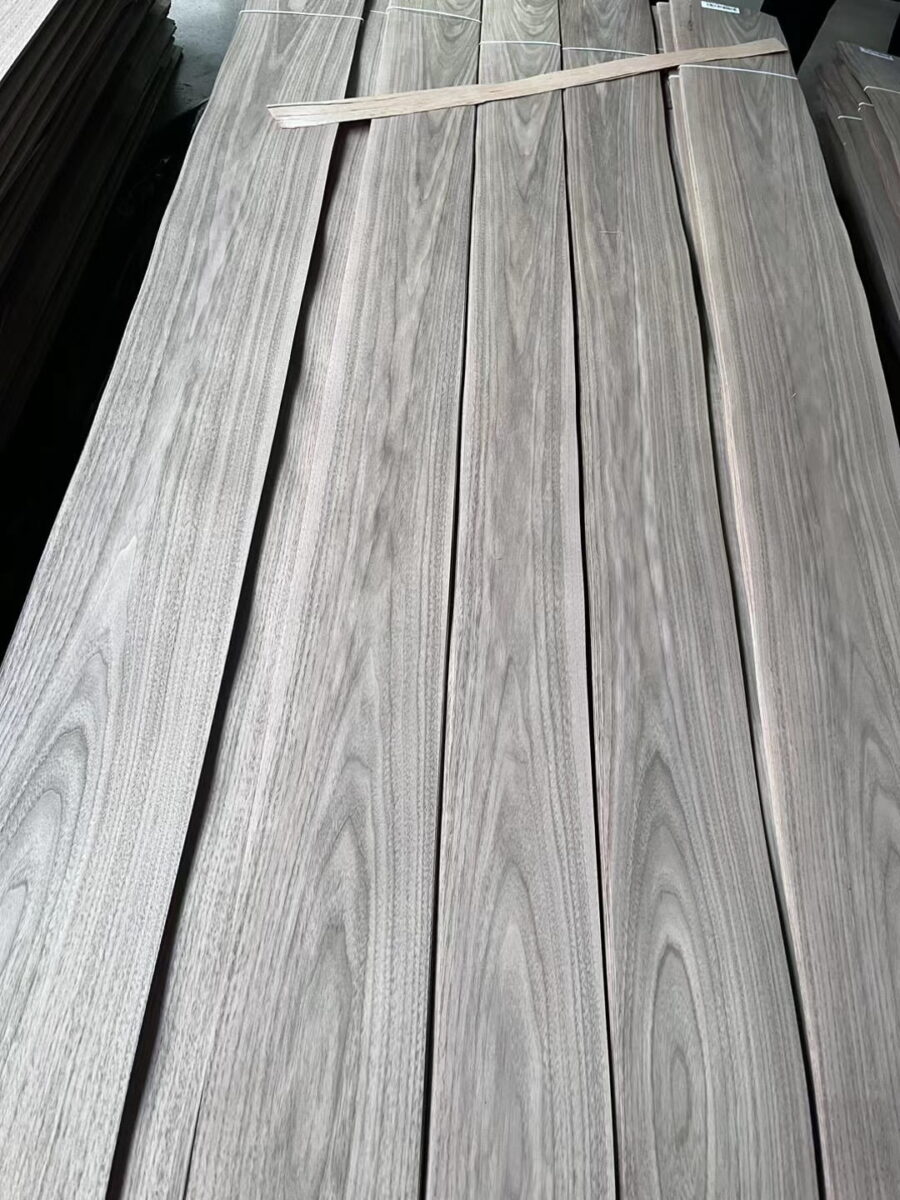
Walnut plywood is an engineered wood panel product consisting of a thin walnut veneer face (and sometimes back) bonded to an engineered substrate core. Unlike solid walnut lumber cut entirely from walnut trees, plywood combines the aesthetic beauty of real walnut wood surfaces with the structural benefits, dimensional stability, and cost-effectiveness of engineered core materials.

The basic construction involves three primary components:
Face Veneer (and Back Veneer): The visible surface consists of a thin slice of real walnut wood—typically 0.5mm to 1.0mm thick—providing authentic walnut appearance, grain patterns, and color. High-quality walnut plywood may feature walnut veneer on both faces (two-sided), while economy versions use walnut on the face only with less expensive species on the back.
Core Substrate: The interior layers provide structural strength, dimensional stability, and thickness. Core materials vary widely and significantly impact plywood performance and price:
- MDF core: Medium-density fiberboard creates ultra-smooth, stable surfaces ideal for machining and painted finishes
- Hardwood core: Multiple layers of hardwood veneers (often poplar, birch, or eucalyptus) provide maximum strength and traditional plywood characteristics
- Combination core: MDF center with hardwood outer layers balancing smoothness and strength
- Particleboard core: Economy option for non-structural applications
Adhesive Layers: High-performance adhesives bond veneer to core substrate. Modern walnut plywood typically uses formaldehyde-free or low-emission adhesives meeting CARB P2, E1, or E0 standards for indoor air quality and environmental compliance.
How Walnut Plywood Is Made
The manufacturing process for walnut plywood involves several specialized steps:
Veneer Preparation: Walnut logs are steamed or heated to soften wood fibers, then rotary-cut or sliced into thin veneers. Rotary cutting unrolls logs like paper towels, producing continuous veneer sheets with characteristic cathedral grain patterns. Slicing produces flat-cut veneers with more varied figure but lower yields. Veneers are dried to precise moisture content (typically 6-8%), graded for quality, and often book-matched or slip-matched to create attractive patterns.
Core Assembly: Core materials are cut to size and assembled. For multi-ply hardwood cores, veneers are laid with alternating grain directions (cross-grain construction) to maximize dimensional stability and minimize warping. MDF cores are manufactured separately through fiber processing, resin bonding, and hot pressing.
Gluing and Pressing: Walnut veneer is coated with adhesive and positioned on the prepared core substrate. The assembly enters a hot press applying high pressure (typically 180-220°C and 1.0-1.5 MPa) for several minutes, bonding veneer permanently to core while curing adhesives.
Finishing Operations: Pressed panels are trimmed to final dimensions, sanded smooth (typically 150-180 grit), inspected for defects, and graded according to veneer quality standards. Some manufacturers offer pre-finished options with UV-cured or catalyzed finishes applied.
Walnut Veneer vs Solid Walnut Wood
Understanding the distinction between walnut plywood and solid walnut lumber clarifies appropriate applications for each material:
Solid Walnut: Lumber cut entirely from walnut trees, showing growth rings throughout thickness. Solid wood can be sanded, refinished, and shaped extensively. It’s ideal for legs, frames, edge profiles, turnings, and applications requiring exposed edges or heavy machining. However, solid walnut is expensive (often $12-$20+ per board foot), limited in panel width (typically 12″ or less without edge-gluing), and susceptible to seasonal movement as moisture content changes.
Walnut Plywood: Engineered panels with walnut appearance on surfaces only. Much more cost-effective for large panels (often 40-60% less than solid walnut per square foot), available in large sheet sizes (4’×8′ standard), and dimensionally stable due to cross-grain core construction. However, edges show core material requiring edge banding, veneer thickness limits how deeply you can sand or shape surfaces, and damage to veneer exposes core underneath.
Professional furniture makers and cabinet shops typically combine both materials strategically—using solid walnut for frames, legs, edges, and detailed components where its workability justifies the cost, while employing walnut plywood for large panels, cabinet boxes, doors, and surfaces where stability and cost-effectiveness are priorities.
Types of Walnut Plywood
Several walnut plywood variations exist based on walnut species, core construction, and quality specifications. Understanding these distinctions helps you select appropriate materials for specific project requirements and budget parameters.

Black Walnut Plywood (American Walnut)
Black walnut plywood features veneer from Juglans nigra, native to eastern North America. This is the premium walnut species prized for its rich chocolate-brown color, dramatic grain patterns, and cultural associations with luxury furniture and fine woodworking.
Visual Characteristics: Dark chocolate brown to purplish-black heartwood with occasional lighter sapwood streaks. Grain patterns range from straight to wavy with attractive figure including crotch, burl, and curly patterns in select grades. Color darkens and mellows with age and light exposure, developing deeper, richer tones.
Applications: High-end furniture, executive desks, conference tables, luxury cabinetry, architectural millwork, acoustic panels, and prestige commercial interiors. Black walnut’s premium appearance justifies higher costs for applications where material aesthetics drive product value and market positioning.
Availability and Pricing: Most widely available walnut plywood type globally, though still considered premium material. Expect prices ranging from $80-$150+ per 4’×8′ sheet depending on grade, thickness, and core material. Domestic (US) production and imported versions (often from China using North American veneer) are both common.
European Walnut Plywood
European walnut plywood uses veneer from Juglans regia, grown primarily in Europe, Asia Minor, and increasingly in temperate regions worldwide. This species offers distinctive characteristics differentiating it from black walnut.
Visual Characteristics: Lighter in color than black walnut, typically ranging from gray-brown to tan-brown with subtle color variations. Grain is generally straighter and more uniform than black walnut, with less dramatic figure but more consistent appearance. Some European walnut exhibits attractive darker streaks and marbling effects.
Comments