
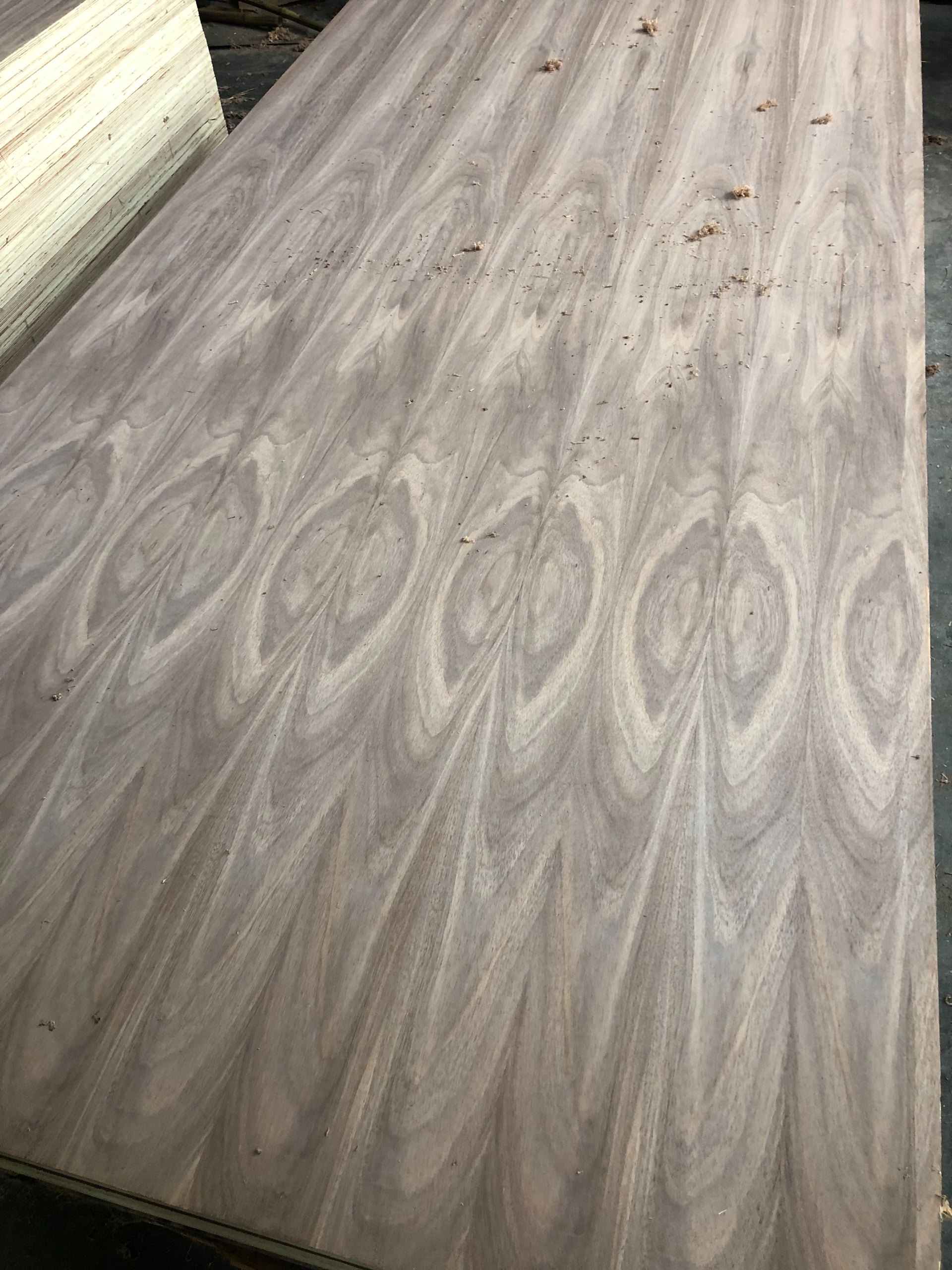
# Why Tzalam Is Popular In Luxury Projects: The Premium Mexican Hardwood Transforming High-End Furniture, Hospitality, and Residential Design
For **luxury furniture manufacturers, high-end interior designers, hospitality design firms, custom millwork companies, luxury residential developers, boutique hotel groups, yacht interior specialists, premium architectural practices, upscale retail fixture designers, and discerning woodworking artisans** who serve **affluent clientele expecting exceptional quality, distinctive aesthetics, and sophisticated materials**—the challenge isn’t finding expensive wood—it’s discovering **genuinely premium materials that deliver authentic luxury character, design exclusivity, and refined elegance** while avoiding the **overused, predictable, clichéd species** that have become ubiquitous in high-end projects. **Tzalam wood (Lysiloma latisiliquum)**—a sophisticated Mexican hardwood with **walnut-like richness, understated elegance, exceptional workability, relative exclusivity, and compelling provenance**—has quietly emerged as a **preferred choice among discerning designers and luxury fabricators** who understand that **true luxury isn’t about using the most expensive materials—it’s about selecting distinctive, refined species that deliver authentic character and design sophistication**.
Whether you’re a **luxury furniture brand creative director** developing signature collections that differentiate from mass-market competitors, **high-end interior designer** specifying materials for ultra-high-net-worth residential clients, **hospitality design principal** creating distinctive boutique hotel concepts, **custom yacht interior designer** requiring premium materials meeting marine-grade standards, **luxury residential developer** establishing material palettes for $5M+ homes, **Michelin-starred restaurant designer** crafting refined dining environments, **premium retail brand** developing flagship store fixtures, **luxury RV/automotive interior designer** sourcing sophisticated wood accents, **bespoke furniture maker** serving collectors and connoisseurs, or **architectural millwork company** fabricating statement pieces for signature projects—understanding **why tzalam has gained traction in luxury applications** provides critical insight into **material selection strategies that elevate design quality, create market differentiation, demonstrate sophisticated taste, and deliver the authentic luxury character** that discerning clients demand and premium projects require.
Most design professionals discover tzalam through **unexpected encounters**—luxury hotel projects in Mexico, high-end furniture at design fairs, upscale restaurants in resort destinations, or recommendations from progressive suppliers—and initially make predictable mistakes: **dismissing it as “unknown species” compared to prestigious names like walnut or teak, assuming lower cost equals inferior quality, underestimating client acceptance of less-familiar woods, missing the strategic advantage of material exclusivity, applying inappropriate specifications based on other species, inadequate supplier vetting resulting in quality inconsistencies, failing to leverage tzalam’s origin story in project narratives, and not recognizing that luxury market success often comes from discovering emerging materials before they become mainstream**.
This comprehensive analysis explores every dimension of tzalam’s luxury market success: **What specific qualities make tzalam suitable for luxury applications? How does performance compare to established premium species? What luxury project types are adopting tzalam? Which high-end designers and brands are specifying it? What is the Mexico luxury design connection? How does tzalam achieve “affordable luxury” positioning? What fabrication techniques maximize luxury aesthetics? How do you source premium-grade tzalam? What finishing approaches deliver luxury results? Why does material exclusivity matter in luxury markets? How do you position tzalam to luxury clients? What are the emerging trends driving tzalam adoption?**
—
## Section 1: Luxury-Grade Aesthetic Qualities
### Refined Elegance That Appeals to Sophisticated Tastes
**Luxury Characteristic #1: Sophisticated Subtlety Over Flashy Drama**
**The Evolution of Luxury Wood Aesthetics:**
**Traditional Luxury Paradigm (1990s-2010s):**
– **Dominant philosophy:** “More is more”
– **Preferred characteristics:** Highly figured grain; dramatic color; exotic origins; maximum visual impact
– **Iconic species:** Burl walnut, figured maple, exotic veneers, high-gloss finishes
– **Design approach:** Showcasing expensive materials as status symbols
**Contemporary Luxury Paradigm (2015-Present):**
– **Dominant philosophy:** “Refined simplicity”; “quiet luxury”; “sophisticated restraint”
– **Preferred characteristics:** Understated elegance; authentic materials; subtle beauty; tactile quality
– **Trending species:** Rift-cut oak, flat-cut walnut, fumed woods, matte finishes, natural character
– **Design approach:** Materials serve design concept rather than dominating it
**Cultural Shift Drivers:**
– **Minimalism movement:** Japanese aesthetic influence; Scandinavian design philosophy
– **Authenticity values:** Rejection of “trying too hard” luxury; preference for genuine over ostentatious
– **Environmental consciousness:** Appreciation for materials’ natural character rather than over-processing
– **Design media influence:** Architectural Digest, Elle Decor, Dezeen celebrating restrained elegance
**Where Tzalam Fits Perfectly:**
**Tzalam’s “Quiet Luxury” Credentials:**
**Visual Character:**
– **Color palette:** Rich medium browns with golden undertones—sophisticated without ostentation
– **Grain pattern:** Attractive but not attention-demanding; creates visual interest without dominating
– **Surface quality:** Refined smoothness; tactile luxury; invites touch
– **Overall impression:** “Expensive-looking” through inherent quality rather than excessive figure
**Psychological Appeal:**
– **Confidence signal:** Choosing lesser-known species signals design sophistication (not relying on obvious status symbols)
– **Insider knowledge:** Appeals to clients who value discovering “hidden gems” before mainstream adoption
– **Authentic luxury:** Real wood with genuine character vs manufactured/engineered “perfection”
**Design Professional Perspective:**
*”My UHNW clients don’t want the same walnut everyone else uses. Tzalam gives us the richness they expect with distinctiveness they value. It says ‘we know something you don’t’—which is exactly what luxury clients want.”*
— Principal, Beverly Hills-based luxury interior design firm (confidential)
—
**Luxury Characteristic #2: Walnut-Adjacent Aesthetic at “Insider Price”**
**The Walnut Paradox in Luxury Markets:**
**Black Walnut’s Luxury Market Position:**
**Advantages:**
– Universally recognized premium species
– Beautiful color and grain
– Established luxury associations
– Client familiarity and acceptance
**Emerging Challenges:**
– **Ubiquity:** Overused in mid-to-high market; lost exclusivity
– **Predictability:** Clients see walnut in mass-market furniture, hotels, corporate offices—everywhere
– **Commodity perception:** No longer signals distinctive taste
– **Price inflation:** Demand exceeding supply driving prices to unsustainable levels
**Example:** Luxury residential client visiting Restoration Hardware sees same walnut finish in mass-market dining tables priced at $2,500. Designer specifying custom $15,000 walnut dining table must explain why “it’s different walnut”—awkward conversation undermining luxury positioning.
**Tzalam’s Strategic Position:**
**”Walnut-Adjacent” Benefits:**
– **Similar aesthetic:** Delivers warm brown richness clients associate with walnut
– **Superior exclusivity:** Unfamiliar to mass-market; signals insider knowledge
– **Distinctive story:** Mexican origin; sustainable harvesting; artisan heritage (narrative value)
– **Cost strategy:** Savings vs walnut can be invested in superior fabrication, hardware, finishing
**Luxury Economics That Make Sense:**
**Scenario: Custom Dining Table for $50,000 Project Budget**
**Option A: Traditional Walnut**
– Material cost (veneer + solid): $3,200
– Fabrication/labor: $18,500
– Hardware/finish: $1,800
– Design/project management: $8,500
– Overhead/profit margin: $18,000
– **Total: $50,000**
**Option B: Tzalam (Reallocating Savings)**
– Material cost (tzalam): $1,400 → **Savings: $1,800**
– Fabrication/labor: $20,500 → **Upgraded joinery; hand-detailing** (+$2,000)
– Hardware/finish: $2,600 → **Premium European hinges; hand-rubbed finish** (+$800)
– Design/project management: $8,500 (same)
– Overhead/profit margin: $17,000 (same gross $, higher %)
– **Total: $50,000**
**Client Perception:**
– **Walnut version:** Beautiful but predictable; “typical luxury table”
– **Tzalam version:** Distinctive aesthetic; superior hardware; exceptional finishing; compelling origin story; “one-of-a-kind design”
**Designer Benefit:**
– **Differentiation:** Portfolio pieces that don’t look like everyone else’s work
– **Margin protection:** Material savings improve project profitability without reducing client investment
– **Relationship value:** Introducing clients to exclusive materials reinforces designer’s expertise and value
**Strategic Positioning Language:**
**Rather than:** *”We’re using tzalam instead of walnut to save money.”*
**Position as:** *”We’ve sourced a distinctive Mexican hardwood with walnut-like character that’s not available in mass-market furniture. This ensures your piece is truly unique and showcases our commitment to discovering exceptional materials.”*
—
**Luxury Characteristic #3: Exceptional Grain Consistency for Cohesive Luxury Installations**
**The Luxury Installation Challenge:**
**Large-Scale Luxury Projects Require Material Consistency:**
**Typical Luxury Installation Scales:**
– **Luxury residential:** Master bedroom suite = 15-25 panels (bed, nightstands, dresser, wardrobes, built-ins)
– **Boutique hotel:** 50-room property = 200-400 panels (furniture + millwork per room)
– **Luxury yacht:** Main salon + staterooms = 80-150 panels (wall panels, cabinetry, furniture)
– **High-end restaurant:** Dining room + bar + private rooms = 100-200 panels (millwork, tables, seating)
**Consistency Imperative:**
– All pieces must appear as cohesive collection—not random assembly
– Color variation must fall within acceptable range
– Grain character should complement across pieces—not clash
– Finishing must achieve uniform appearance
**Walnut’s Luxury Installation Challenge:**
**Black Walnut Variability:**
– **Heartwood color range:** Light tan-brown to dark chocolate-purple (extreme variation)
– **Sapwood contrast:** Dramatic white/cream sapwood vs dark heartwood
– **Grain variation:** Straight grain to wild cathedral to figured patterns
– **Geographic variation:** Midwest walnut differs from Appalachian walnut differs from West Coast walnut
**Luxury Fabricator Reality:**
For 50-panel luxury installation requiring visual consistency:
– **Must purchase:** 70-80 panels (40-60% overage)
– **Selection process:** 12-20 hours sorting, grading, color-matching
– **Waste/seconds:** 20-30 panels cannot be used (sold separately at discount or held as expensive inventory)
– **Cost impact:** Material waste + labor + storage = 25-35% premium vs base material cost
**Example:** $45,000 walnut material requirement becomes $56,000-61,000 actual cost after selection waste.
**Tzalam’s Luxury Installation Advantage:**
**Natural Consistency:**
– **Tight color range:** Golden-brown to medium brown (predictable spectrum)
– **Minimal sapwood contrast:** Less dramatic sapwood/heartwood transition
– **Consistent grain:** Generally straight to moderate cathedral; fewer “wild” panels
– **Geographic consistency:** Mexican sources deliver consistent character
**Luxury Fabricator Benefit:**
For same 50-panel luxury installation:
– **Purchase requirement:** 55-58 panels (10-15% overage—normal safety margin)
– **Selection process:** 3-5 hours confirming grade; minimal color sorting needed
– **Waste/seconds:** 5-8 panels (minor defects only; not aesthetic mismatches)
– **Cost impact:** Minimal premium over base material cost (10-12% vs 25-35% for walnut)
**Financial Reality Check:**
**Project: Boutique Hotel—50 Guest Rooms**
**Walnut Material Approach:**
– Base material needed: 400 panels
– Must purchase: 560 panels (40% overage for selection)
– Cost: $70/panel avg = $39,200
– Selection labor: 80 hours @ $45/hr = $3,600
– Waste management: 160 panels to liquidate
– **Total material cost:** $42,800 + opportunity cost of managing seconds
**Tzalam Material Approach:**
– Base material needed: 400 panels
– Must purchase: 450 panels (12% overage)
– Cost: $35/panel avg = $15,750
– Selection labor: 15 hours @ $45/hr = $675
– Waste management: 50 panels to liquidate
– **Total material cost:** $16,425
**Savings:** $26,375 (62% reduction) on material costs alone
**Strategic Deployment of Savings in Luxury Context:**
– Upgrade hardware from standard to premium European brands (+$8,000)
– Enhance finishing with additional hand-rubbing steps (+$6,000)
– Include premium upholstery fabric upgrades (+$7,000)
– Improve lighting in each room (+$5,000)
**Client Experience:** Superior overall quality within same budget—tzalam’s consistency enables better allocation of resources to other luxury details.
—
**Luxury Characteristic #4: Superior Finishing Results for High-Touch Applications**
**Luxury Market Finishing Standards:**
**Client Expectations:**
– Glass-smooth surfaces inviting touch
– Depth and dimensionality in finish
– Uniform appearance across all pieces
– Durability without maintenance burden
– Tactile luxury—not just visual
**Tzalam’s Finishing Advantages:**
**Smooth Surface Preparation:**
– **Fine, consistent texture:** Requires less aggressive sanding than coarse-textured woods
– **Minimal grain raising:** Water-based finishes don’t roughen surface excessively
– **Even absorption:** Stains and oils absorb uniformly (vs blotchy species like pine or soft maple)
– **Rapid finish-ready:** Progresses quickly from rough milled to finish-ready surface
**Finishing Process Comparison:**
**Oak (Common Luxury Species):**
– **Challenge:** Large, open pores require grain filling for smooth finish
– **Process:** Sand to 150 → grain filler application → sand to 220 → seal → sand to 320 → topcoat
– **Time:** 6-8 process steps; 3-4 days with drying time
– **Cost:** $45-65 per panel for premium hand-finishing
**Tzalam:**
– **Advantage:** Closed-pore structure; naturally smoother
– **Process:** Sand to 180 → seal (optional) → sand to 220 → topcoat
– **Time:** 3-4 process steps; 1-2 days with drying time
– **Cost:** $25-35 per panel for equivalent quality finish
**Luxury Finish Results:**
**High-Gloss Finishes (Piano Finish; Asian-Inspired):**
– **Surface quality:** Tzalam’s natural smoothness ideal for mirror-like gloss finishes
– **Build-up:** Requires fewer coats to achieve depth than coarse-grained species
– **Reflection quality:** Consistent surface creates uniform light reflection
– **Application:** Luxury cabinets; high-end furniture accents; yacht interiors; automotive wood trim
**Hand-Rubbed Oil Finishes (Scandinavian/Contemporary):**
– **Absorption:** Even penetration creates consistent color depth
– **Tactile quality:** Silky-smooth feel appreciated in high-touch luxury items
– **Maintenance:** Easy client care (periodic oil refreshing)
– **Application:** Dining tables; desks; bedroom furniture; residential cabinetry
**Natural/Matte Finishes (Modern Luxury):**
– **Authentic character:** Subtle grain and color create sophisticated natural aesthetic
– **Low-sheen luxury:** Aligns with contemporary “quiet luxury” trends
– **Aging grace:** Develops rich patina over time
– **Application:** Boutique hotel furniture; luxury residential; museum-quality pieces
**Stained Finishes (Versatility):**
– **Even stain acceptance:** Predictable color results across all panels
– **Custom color matching:** Easier to achieve specific color targets than variable species
– **Walnut imitation:** Can achieve authentic walnut appearance at fraction of cost
– **Application:** Contract furniture; hospitality projects requiring color consistency
—
## Section 2: Luxury Project Applications and Case Studies
### Where Tzalam Excels in High-End Installations
**Luxury Application #1: Boutique Hotels and Luxury Hospitality**
**Why Boutique Hotels Are Early Adopters:**
**Design Imperatives for Boutique Hotels:**
1. **Distinctive aesthetic:** Must differentiate from chain hotels; create memorable experience
2. **Authentic regional connection:** Guests expect locally-inspired design (especially in Mexico/Central America)
3. **Instagrammable interiors:** Social media visibility drives bookings—unique materials photograph well
4. **Budget discipline:** Independent properties need luxury aesthetics within realistic budgets
5. **Durability requirements:** Guest room furniture
Comments