
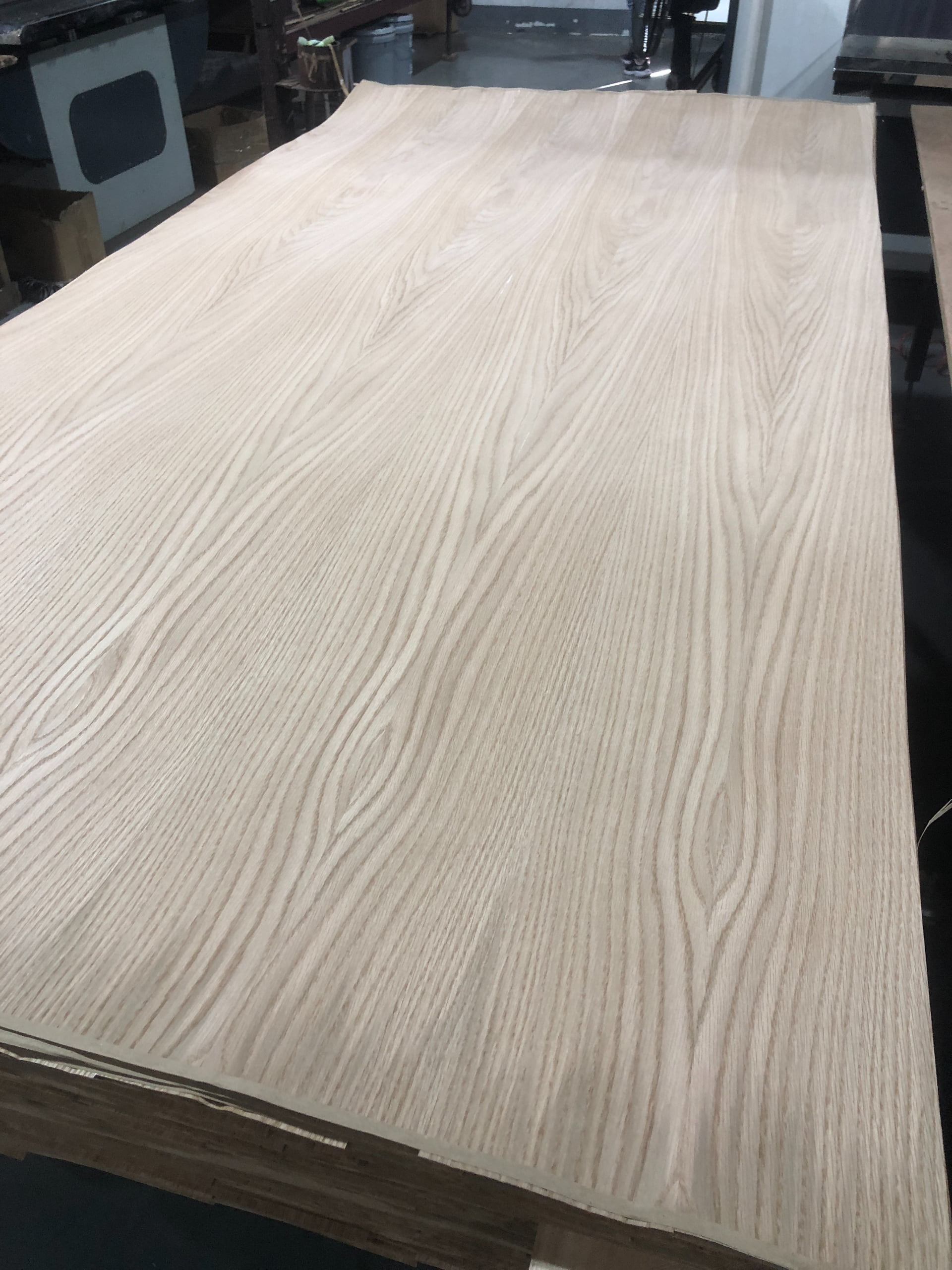
# Tzalam vs Oak: The Complete Material Selection Guide For Manufacturers, Designers, And Specifiers Choosing Between Traditional Standards And Emerging Alternatives
For **furniture manufacturers, cabinetmakers, flooring contractors, architectural millwork specialists, interior designers, construction managers, importers, purchasing professionals, architects, residential builders, commercial contractors, door manufacturers, fixture fabricators, and wood products distributors** who must make **strategic material selection decisions that impact product performance, manufacturing efficiency, market acceptance, cost structures, and competitive positioning**—the fundamental challenge isn’t simply choosing between *available hardwood options* or *familiar species*—it’s making **informed, technically grounded comparisons between deeply entrenched traditional materials with centuries of proven performance and emerging alternatives offering compelling advantages** while avoiding the traps of **defaulting to familiar materials without evaluating superior options, missing cost optimization opportunities, selecting materials based on name recognition rather than actual performance requirements, overlooking supply chain diversification strategies, committing to species with problematic characteristics** for specific applications, and making decisions driven by market inertia rather than comprehensive technical and economic analysis. **Tzalam (Lysiloma latisiliquum) versus Oak (Quercus species)**—representing a comparison between **an emerging Latin American hardwood with sophisticated aesthetics and workability versus the most widely specified temperate hardwood with universal recognition but significant limitations**—presents perhaps the **most strategically important material decision** for professionals seeking to **optimize cost-performance relationships, differentiate product offerings, improve manufacturing efficiency, and position products** in evolving markets where traditional associations compete with functional superiority.
Whether you’re a **furniture manufacturer** evaluating core species for product lines spanning traditional to contemporary styles, **cabinet shop** balancing client expectations against manufacturing realities, **millwork contractor** bidding residential and commercial projects with varied aesthetic requirements, **interior designer** specifying materials for hospitality, corporate, retail, or luxury residential interiors, **flooring contractor** assessing species options for durability and appearance, **construction manager** evaluating material specifications for multi-unit developments, **importer/distributor** assessing Latin American hardwood opportunities against established North American species, **purchasing manager** optimizing material costs while maintaining quality standards, **architect** developing performance specifications for architectural woodwork packages, **door manufacturer** selecting species for residential and commercial door production, **residential builder** seeking differentiation through material innovation, **commercial contractor** sourcing materials balancing aesthetics and budget constraints, **fixture fabricator** evaluating woods for retail, hospitality, or exhibition applications, **product developer** positioning new furniture or cabinet lines, **operations manager** evaluating manufacturing efficiency implications, or **sustainability coordinator** assessing supply chain and environmental factors—understanding the **complete technical comparison, performance characteristics, cost analysis, workability differences, aesthetic positioning, market perception dynamics, application-specific recommendations, and strategic decision frameworks** transforms material selection from **default specification of familiar species into data-driven decisions** that impact manufacturing productivity, product quality, market differentiation, and profitability.
Most professionals encounter the tzalam-versus-oak decision through **problem-solving scenarios**—seeking alternatives to oak’s prominent grain in contemporary designs, addressing oak’s challenging finishing characteristics, responding to cost pressures when oak pricing escalates, exploring Latin American hardwood imports, encountering workability complaints from production staff, researching species for specific performance requirements, or discovering tzalam through supplier recommendations—and initially make costly mistakes: **assuming oak’s universal specification indicates optimal performance, inadequate understanding of aesthetic differences across various finishes, failing to account for workability variations impacting labor costs and tool wear, not recognizing applications where tzalam delivers superior results, missing opportunities for strategic product positioning through material differentiation, poor communication of species alternatives to clients and end-users, inadequate finishing test protocols, not accounting for regional market preferences, and underestimating the compelling advantages** of less-familiar species when properly evaluated and presented.
This comprehensive technical comparison addresses every critical question professionals must answer: **What are the fundamental aesthetic differences between tzalam and oak? How do costs compare across lumber, veneer, and engineered products? Which species is easier to work and finish? What are the hardness and durability differences? Which applications favor each species? How do grain patterns impact design compatibility? What are supply chain and lead time considerations? How do you position tzalam without appearing to compromise on traditional quality? What are sustainability and environmental factors? How do regional market preferences differ? What testing and sampling protocols ensure successful specification?**
—
## Section 1: Species Classification, Characteristics, and Market Context
### Oak: The Dominant Traditional Hardwood
**Oak Species Diversity and Commercial Classifications**
**White Oak Group (*Quercus* section *Quercus*):**
**Primary North American Species:**
– ***Quercus alba*** (White Oak) – The premium standard
– ***Quercus bicolor*** (Swamp White Oak)
– ***Quercus lyrata*** (Overcup Oak)
– ***Quercus macrocarpa*** (Bur Oak)
– ***Quercus michauxii*** (Swamp Chestnut Oak)
– ***Quercus montana*** (Chestnut Oak)
– ***Quercus stellata*** (Post Oak)
**Commercial Grouping:**
– **Trade name:** White Oak (all species marketed collectively)
– **Why grouped:** Similar appearance, properties, and performance characteristics
– **Interchangeability:** Generally substitutable in commercial applications
– **Grading:** Evaluated together under NHLA (National Hardwood Lumber Association) standards
**Physical Characteristics:**
– **Heartwood color:** Light to medium brown; pale tan to medium warm brown
– **Color variation:** Moderate (can include grayish or olive tones)
– **Sapwood:** Nearly white to light tan (minimal contrast with heartwood)
– **Grain:** Pronounced; straight to irregular; highly distinctive ray fleck
– **Figure:** Quartersawn shows dramatic medullary rays (“flake” or “tiger stripe”); plain-sawn shows cathedral patterns
– **Texture:** Coarse; open grain; prominent pores
– **Luster:** Low to moderate
**Density and Hardness:**
– **Specific gravity:** 0.68 (White Oak – *Q. alba*)
– **Janka hardness:** 1,360 lbf (6,050 N)
– **Weight:** Heavy (approximately 47 lbs/ft³ at 12% moisture content)
– **Stability:** Moderate (significant movement with moisture changes)
– **Durability:** Excellent (heartwood very decay-resistant; used for barrels, exterior applications)
**Unique Characteristic:**
– **Tyloses:** White oak species contain tyloses (cellular structures) that block pores, making it water-resistant and suitable for barrels and exterior use
– **Contrast with Red Oak:** Red oak lacks tyloses; not suitable for liquid containers or direct ground contact
—
**Red Oak Group (*Quercus* section *Lobatae*):**
**Primary North American Species:**
– ***Quercus rubra*** (Northern Red Oak) – Most common
– ***Quercus falcata*** (Southern Red Oak)
– ***Quercus velutina*** (Black Oak)
– ***Quercus coccinea*** (Scarlet Oak)
– ***Quercus palustris*** (Pin Oak)
– ***Quercus shumardii*** (Shumard Oak)
**Commercial Grouping:**
– **Trade name:** Red Oak (all species marketed collectively)
– **Volume:** More abundant than white oak; higher production volumes
– **Pricing:** Typically 10-20% less expensive than white oak
– **Popularity:** Most widely used oak in North American furniture/cabinetry (1980s-2000s peak)
**Physical Characteristics:**
– **Heartwood color:** Light reddish-brown to pinkish tan
– **Color tone:** Warmer, more pinkish than white oak
– **Sapwood:** Nearly white to light tan
– **Grain:** Similar prominence to white oak; straight to irregular
– **Figure:** Quartersawn shows ray fleck (less dramatic than white oak); plain-sawn shows cathedral
– **Texture:** Coarse; very open grain
– **Luster:** Low
**Density and Hardness:**
– **Specific gravity:** 0.63 (Northern Red Oak – *Q. rubra*)
– **Janka hardness:** 1,290 lbf (5,738 N) – slightly softer than white oak
– **Weight:** Heavy (approximately 44 lbs/ft³ at 12% moisture content)
– **Stability:** Moderate to poor (significant seasonal movement)
– **Durability:** Moderate (less decay-resistant than white oak; not suitable for ground contact)
**Distinction from White Oak:**
– **Pore structure:** Open pores (no tyloses); permeable to liquids
– **Color:** More reddish/pinkish cast
– **Applications:** Interior use only (not suitable for outdoor applications or liquid containment)
– **Finishing:** Requires grain filler for smooth finishes (more porous than white oak)
—
**European Oak:**
**Primary Species:**
– ***Quercus robur*** (English Oak, Pedunculate Oak)
– ***Quercus petraea*** (Sessile Oak)
**Characteristics:**
– **Appearance:** Similar to American white oak but often slightly darker and more consistent color
– **Properties:** Comparable density and hardness
– **Applications:** Fine European furniture, architectural millwork, wine/spirits barrels, historical restoration
– **Cost:** Premium pricing; limited availability in North American markets
– **Market position:** Specialty material; used for European traditional furniture or specific architectural projects
—
**Oak’s Market Position and Cultural Significance**
**Historical Dominance:**
– **18th-19th Century:** Oak dominated American furniture (mission style, arts & crafts movement)
– **1980s-1990s:** Red oak became standard for kitchen cabinets (golden oak finish ubiquitous)
– **Flooring standard:** Oak (especially red oak) became default hardwood flooring in North America
– **Tradition:** Associated with durability, quality, American craftsmanship
**Current Market Dynamics (2020s):**
– **Declining popularity:** Contemporary design trends favor cleaner, less prominent grain
– **Regional variation:** Still popular in traditional markets (Midwest, South); declining in coastal urban markets
– **Commercial resilience:** Remains standard specification in commercial millwork, institutional furniture
– **Cost pressure:** Pricing volatility as demand shifts; some price softening in certain markets
**Perceptual Associations:**
– **Positive:** Durable, traditional, American, substantial, proven
– **Negative (contemporary markets):** Dated, “1990s kitchen,” busy grain, difficult to integrate in modern design
– **Generation gap:** Older clients embrace oak; younger buyers often reject it
—
### Tzalam: Emerging Latin American Alternative
**Botanical and Geographic Profile**
**Species Identity:**
– **Scientific name:** *Lysiloma latisiliquum* (L.) Benth.
– **Family:** Fabaceae (Leguminosae) – Legume family
– **Common names:** Tzalam (Mexico), Chakaj (Guatemala), Tsalam, False Tamarind
– **Phylogeny:** NOT related to oak (completely different botanical family)
**Geographic Origin:**
– **Primary range:** Mexico (Yucatan Peninsula), Guatemala, Belize, Honduras
– **Secondary range:** Caribbean islands
– **Climate:** Tropical to subtropical dry forests
– **Elevation:** Sea level to 1,200 meters
– **Commercial sources:** Primarily Mexican sustainably managed forests and plantations
**Physical Characteristics:**
– **Heartwood color:** Medium to dark brown; warm chocolate to coffee brown
– **Color tone:** Warm with reddish-golden undertones
– **Sapwood:** Pale yellow-white to light tan (excluded in select grades)
– **Color variation:** Moderate; ranges from golden tan to rich dark brown
– **Grain:** Straight to slightly interlocked; generally regular and uniform
– **Figure:** Subtle; minimal dramatic figure (occasional ribbon stripe)
– **Texture:** Medium to fine; significantly finer than oak
– **Luster:** Moderate; naturally smooth appearance
**Density and Hardness:**
– **Specific gravity:** 0.55-0.65 (oven-dry)
– **Janka hardness:** 850-950 lbf (3,780-4,225 N)
– **Weight:** Medium-heavy (approximately 39-43 lbs/ft³ at 12% moisture content)
– **Stability:** Good (less movement than oak)
– **Durability:** Good; naturally decay-resistant heartwood
—
**Market Position and Availability**
**Current Market Status:**
– **Recognition:** Well-established in Mexico/Central America; emerging in international markets
– **Distribution:** Growing availability through specialized importers and Latin American hardwood suppliers
– **Pricing:** Mid-tier (significantly less expensive than premium North American hardwoods)
– **Supply stability:** Improving as sustainable forestry management expands
**Industry Awareness:**
– **Furniture manufacturers:** Increasing adoption by manufacturers seeking walnut/dark wood aesthetics at lower cost
– **Design community:** Growing recognition among designers exploring global material palette
– **Commercial sector:** Limited awareness; opportunity for education and market development
– **Consumer recognition:** Minimal (requires positioning and education)
**Strategic Positioning Opportunity:**
– **Cost alternative:** Delivers sophisticated appearance at substantially lower cost than walnut
– **Contemporary aesthetic:** Cleaner grain pattern aligns with modern design preferences better than oak
– **Differentiation:** Novelty factor creates product distinction
– **Sustainability narrative:** Latin American sustainable forestry story
—
## Section 2: Comprehensive Aesthetic Comparison
### Color Analysis: The Fundamental Visual Difference
**Oak Color Profile**
**White Oak:**
– **Base color:** Light to medium brown; pale tan to warm medium brown
– **Undertones:** Gray, yellow, olive (can appear greenish or grayish depending on light)
– **Color range:** Significant variation (from very pale cream to medium brown)
– **Sapwood/heartwood contrast:** Minimal (both relatively light)
– **Character:** Light, neutral, versatile
– **Design associations:** Traditional, farmhouse, coastal, Scandinavian (when bleached/whitewashed)
**Red Oak:**
– **Base color:** Light reddish-brown to pinkish tan
– **Undertones:** Pink, salmon, reddish
– **Color range:** Moderate variation (generally consistent reddish cast)
– **Sapwood/heartwood contrast:** Minimal
– **Character:** Warm but light; distinctive pinkish tone
– **Design associations:** Traditional American, arts & crafts, 1990s residential (golden oak stain era)
**Lighting Response:**
– **Natural daylight:** Shows true color (white oak’s gray/olive tones visible; red oak’s pink evident)
– **Warm lighting (incandescent/warm LED):** Enhances warmth; reduces gray tones in white oak; amplifies red oak’s pink
– **Cool lighting (fluorescent/daylight LED):** Emphasizes gray tones in white oak; can make red oak appear washed out or artificially pink
—
**Tzalam Color Profile**
**Natural Color:**
– **Base color:** Medium to dark brown; warm chocolate to coffee brown
– **Undertones:** Reddish-golden; amber; warm earth tones
– **Color range:** Moderate variation (golden tan to rich dark brown)
– **Sapwood/heartwood contrast:** Significant (pale sapwood; dark heartwood)
– **Character:** Rich, warm, sophisticated
– **Design associations:** Contemporary, transitional, global eclectic, organic modern
**Lighting Response:**
– **Natural daylight:** Shows warm brown tones; golden undertones visible; inviting appearance
– **Warm lighting:** Enhanced richness; golden tones amplified; very warm and inviting
– **Cool lighting:** Maintains warmth better than many species; appears professional and refined
—
**Direct Color Comparison**
| Aspect | **Oak (White)** | **Oak (Red)** | **Tzalam** |
|——–|—————-|—————|————|
| **Lightness/Value** | Light to medium-light | Light to medium-light | Medium to dark |
| **Warmth** | Cool to neutral | Warm (pinkish) | Very warm (golden-reddish) |
| **Saturation** | Low to moderate | Low to moderate | Moderate to high |
| **Depth** | Light; airy | Light; warm | Rich; substantial |
| **Contrast potential** | Low (minimal variation within species) | Low (minimal variation) | Moderate (can select lighter or darker) |
| **Color consistency** | Moderate (varies with growing conditions) | Moderate | Good (commercial grades relatively consistent) |
**Practical Design Implications:**
**For Light, Airy Interiors:**
– **Oak advantage:** Natural light color creates open, spacious feel
– **Tzalam consideration:** Would darken space; create weight; not optimal choice
**For Rich, Warm Interiors:**
– **Tzalam advantage:** Provides depth and warmth naturally without staining
– **Oak limitation:** Requires dark staining to achieve similar effect (problematic – see finishing section)
**For Contemporary/Minimalist Aesthetics:**
– **Tzalam advantage:** Clean, understated richness without visual noise
– **Oak challenge:** Prominent grain can feel “busy” or traditional
**For Traditional/Classic Styles:**
– **Oak advantage:** Historical authenticity; period-appropriate
– **Tzalam positioning:** Works in
Comments