
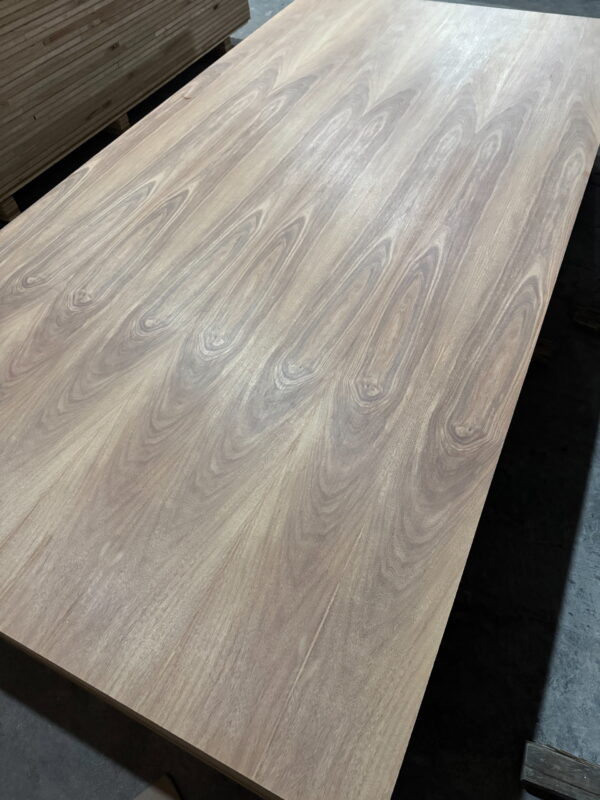
# Tzalam Plywood Price Analysis: Comprehensive Guide For Importers, Distributors, Manufacturers, And Trade Professionals Navigating Cost Structures, Market Dynamics, And Procurement Strategies
For **importers building Latin American hardwood product portfolios, distributors pricing specialty wood panels for diverse customer segments, furniture manufacturers calculating material cost impacts on production economics, cabinet makers evaluating raw material alternatives, purchasing managers benchmarking supplier quotations, wholesalers establishing pricing strategies across distribution channels, construction material buyers negotiating contract terms, millwork contractors bidding projects requiring cost accuracy, export manufacturers optimizing input costs for competitive positioning, retail lumber yard operators setting retail margins, financial analysts modeling wood products business economics, business development professionals evaluating market entry opportunities, procurement consultants advising clients on sourcing strategies, and trade professionals** navigating the complexities of **international pricing structures, cost component analysis, market comparisons, negotiation frameworks, quality-price relationships, volume discount strategies, and total cost of ownership calculations**—the fundamental challenge isn’t simply *obtaining price quotations from multiple suppliers* or *selecting the lowest quoted price*—it’s developing **sophisticated understanding of pricing structures, cost drivers, quality differentials, geographical variations, volume economics, market positioning factors, seasonal influences, currency impacts, logistics variables, and total landed cost frameworks** while avoiding the critical traps of **comparing incomparable specifications, accepting quotations without verification of inclusions and exclusions, ignoring quality differences that drive price variation, inadequate analysis of total acquisition costs beyond unit prices, poor understanding of negotiation leverage and timing, unrealistic price expectations driving supplier selection errors, insufficient market intelligence to assess competitive pricing, overemphasis on initial price versus total cost of ownership, inadequate consideration of payment terms and financing costs, and failure to recognize price-quality-service trade-offs** that optimize value rather than simply minimizing cost. **Tzalam plywood pricing**—reflecting **complex interactions between Mexican veneer supply dynamics, Chinese manufacturing economics, international species competition, quality grade differentials, market positioning strategies, supply chain costs, and customer segment willingness-to-pay**—requires analytical frameworks that **decompose total costs, benchmark market positioning, identify negotiation opportunities, calculate true comparative economics, and structure procurement strategies** that deliver optimal value.
Whether you’re an **importer** establishing pricing for new product lines, **distributor** calculating margins across wholesale and retail channels, **furniture manufacturer** analyzing material cost components in product economics, **cabinet maker** evaluating whether premium materials justify price premiums, **purchasing manager** negotiating annual supply agreements, **wholesaler** pricing competitive bids for large projects, **construction material buyer** comparing alternative species and suppliers, **millwork contractor** bidding fixed-price projects requiring accurate material cost forecasting, **export manufacturer** optimizing input costs to maintain competitiveness in international markets, **lumber yard operator** setting retail prices that balance competitiveness and profitability, **financial analyst** modeling profitability in wood products businesses, **business consultant** advising clients on procurement optimization, **market researcher** understanding competitive dynamics, **quality manager** evaluating price-quality relationships, **logistics coordinator** calculating total landed costs, **trade negotiator** structuring supplier agreements, or **industry observer** tracking market trends—mastering **price structure frameworks, cost driver analysis, market segmentation pricing, quality grade differentials, geographical price variations, volume discount strategies, negotiation methodologies, total cost of ownership calculations, competitive benchmarking, seasonal and temporal price patterns, currency impact analysis, payment term economics, and strategic sourcing approaches** transforms tzalam plywood price analysis from **reactive quotation comparison into strategic procurement optimization** that delivers competitive advantage, improves profitability, and builds sustainable supplier relationships.
Most professionals approach tzalam plywood pricing through **reactive scenarios**—requesting quotations when customers inquire, comparing prices when existing suppliers increase rates, researching costs when evaluating new product lines, responding to competitive price pressure, budgeting for specific projects, or conducting periodic market surveys—and initially make expensive mistakes: **comparing quotations with different specifications and inclusions, accepting lowest price without quality verification, inadequate analysis of total landed costs, poor timing of price negotiations, insufficient market intelligence to assess reasonableness, overemphasis on initial unit price versus total acquisition costs, inadequate volume commitment leverage, poor understanding of supplier cost structures limiting negotiation effectiveness, failure to structure payment terms for optimal economics, and inadequate consideration of service, reliability, and quality trade-offs** that affect true total cost and value.
This comprehensive pricing analysis addresses every critical question professionals must answer: **What are current market price ranges for tzalam plywood? How do prices vary by quality grade, thickness, and specification? What cost components drive final pricing? How do Chinese manufacturer prices compare to Mexican domestic pricing? What volume thresholds unlock significant price reductions? What are realistic negotiation ranges? How do payment terms impact effective costs? What seasonal and market factors influence pricing? How should you calculate total landed cost? What quality indicators correlate with price? How do competitive species prices compare? What pricing strategies work for different market segments? What are the key negotiation leverage points? How do you structure procurement to optimize total cost of ownership?**
—
## Section 1: Price Structure Framework and Market Ranges
### Understanding What’s Behind The Price
**Core Price Components: Decomposing The Total**
**Chinese Manufacturer FOB Price Breakdown**
A Chinese tzalam plywood manufacturer’s FOB (Free On Board) price typically includes:
**1. Raw Material Costs (55-65% of FOB price)**
**Tzalam Face and Back Veneer:**
– **Cost driver:** Mexican or Central American veneer import costs
– **Price range:** $800-1,400/m³ for rotary-cut tzalam veneer (varies by grade, thickness, supplier)
– **Volume impact:** Larger manufacturers negotiating container-load veneer purchases achieve 10-15% cost advantage
– **Quality relationship:** Premium veneer grades (A/B grade) cost 40-70% more than utility grades (C/D)
– **Usage rate:** Face veneer consumption approximately 0.10-0.15 m³ per m³ finished plywood (depending on thickness)
**Core Material:**
– **Poplar core:** $280-380/m³ (most common; good stability, cost-effective)
– **Eucalyptus core:** $220-300/m³ (lower cost; adequate for many applications)
– **Hardwood core:** $350-500/m³ (mixed hardwoods; better screw-holding)
– **Tzalam throughout:** $800-1,200/m³ (premium construction; limited market due to cost)
**Adhesives:**
– **Urea-formaldehyde (E1 grade):** $1,200-1,500/ton
– **Melamine-urea-formaldehyde (E0 grade):** $1,600-2,100/ton
– **Phenolic (marine/exterior grade):** $2,200-2,800/ton
– **Usage rate:** 100-150 kg adhesive per m³ plywood
– **Cost impact:** $120-280/m³ depending on adhesive type
—
**2. Manufacturing Costs (20-25% of FOB price)**
**Direct Labor:**
– **Chinese labor rates:** Manufacturing labor $5-8/hour (rising but still competitive)
– **Labor content:** 1.5-3 hours/m³ depending on panel complexity, finishing requirements
– **Labor cost:** $7-24/m³
– **Automation impact:** Modern facilities with automated veneer processing, pressing, and finishing reduce labor content
**Energy and Utilities:**
– **Hot press energy:** Significant electricity consumption for heating platens
– **Veneer drying:** Natural gas or electricity for drying operations
– **Compressed air, lighting, HVAC:** Factory operational utilities
– **Total energy cost:** $15-30/m³
**Depreciation and Equipment:**
– **Capital investment:** Modern plywood line costs $3-8 million USD
– **Depreciation allocation:** $8-18/m³ depending on volume throughput and equipment cost
**Quality Control and Testing:**
– **Laboratory testing:** Formaldehyde emissions, glue bond strength, moisture content
– **Inspection labor:** Visual grading, dimension verification
– **QC cost:** $5-12/m³
**Factory Overhead:**
– **Supervision, maintenance, administration:** $8-15/m³
– **Waste disposal, safety equipment, consumables:** $4-8/m³
—
**3. Profit Margin and Commercial Costs (15-20% of FOB price)**
**Factory Profit Margin:**
– **Target margin:** Chinese manufacturers target 8-15% net profit margin
– **Competitive pressure:** Margins compressed in highly competitive markets
– **Volume leverage:** Larger orders with stable relationships support higher margins
– **Market positioning:** Premium quality products command margin premium
**Export Administration:**
– **Documentation:** Export licenses, customs declarations, certificates of origin
– **Logistics coordination:** Container booking, freight forwarding coordination
– **English communication staff:** Sales and customer service personnel
– **Cost:** $8-15/m³
**Marketing and Customer Acquisition:**
– **Trade shows, B2B platforms, sales commissions:** $5-12/m³ allocated to orders
—
**Illustrative FOB Price Calculation Example**
**Product:** Tzalam plywood, 18mm thickness, BB/CC grade, poplar core, E1 adhesive
| Cost Component | Amount per m³ |
|—————-|—————|
| **Raw Materials** | |
| Tzalam face/back veneer | $140-180 |
| Poplar core veneer | $90-120 |
| E1 adhesive | $150-180 |
| **Subtotal Materials** | **$380-480** |
| **Manufacturing** | |
| Direct labor | $12-18 |
| Energy and utilities | $18-25 |
| Equipment depreciation | $10-15 |
| Quality control | $7-10 |
| Factory overhead | $12-18 |
| **Subtotal Manufacturing** | **$59-86** |
| **Commercial** | |
| Factory profit (10%) | $44-57 |
| Export administration | $10-12 |
| Marketing allocation | $7-10 |
| **Subtotal Commercial** | **$61-79** |
| **Total FOB Price** | **$500-645/m³** |
**Price range reflects:**
– Quality grade variations (higher grades = more expensive veneer)
– Manufacturing efficiency (modern vs. older facilities)
– Volume scale economies (larger producers have cost advantages)
– Competitive positioning (premium vs. commodity positioning)
—
### Current Market Price Ranges (2024 Reference)
**Chinese Manufacturer FOB Pricing**
**Standard Tzalam Plywood (Face and Back Only; Poplar or Eucalyptus Core)**
| Thickness | Grade | FOB Price Range (USD/m³) |
|———–|——-|————————–|
| **12mm** | BB/CC (E1) | $450-580 |
| **15mm** | BB/CC (E1) | $480-610 |
| **18mm** | BB/CC (E1) | $510-650 |
| **18mm** | AB/CC (E1) | $580-720 |
| **18mm** | AA/BB (E1) | $650-820 |
**Premium Specifications:**
– **E0 adhesive (ultra-low formaldehyde):** +$40-70/m³
– **Phenolic adhesive (exterior/marine grade):** +$80-130/m³
– **Hardwood core (vs. poplar/eucalyptus):** +$60-100/m³
– **All-tzalam construction (tzalam throughout):** +$250-400/m³
**Volume-Based Pricing:**
– **Sample/trial order (1-5 m³):** Published price or +10-15%
– **Small container (20-25 m³):** Published price
– **Full container (40-50 m³):** -5-8% discount
– **Regular monthly volume (100+ m³):** -10-15% discount
– **Annual contract (1,000+ m³):** -15-20% discount (negotiable)
—
**Key Price Variables and Ranges**
**Grade Quality Impact:**
The veneer face quality dramatically impacts pricing:
**Grade A (Select Grade):**
– **Characteristics:** No knots; uniform color; minimal grain figure variation; tight grain
– **Veneer cost:** $1,200-1,600/m³
– **Usage:** High-end furniture, visible surfaces, architectural millwork
– **Price premium vs. C grade:** +60-90%
**Grade B (Premium Grade):**
– **Characteristics:** Small tight knots allowed (≤15mm); color variation acceptable; sound knots only
– **Veneer cost:** $900-1,200/m³
– **Usage:** Furniture manufacturing, cabinet faces, quality millwork
– **Price premium vs. C grade:** +30-50%
**Grade C (Standard/Commercial Grade):**
– **Characteristics:** Knots up to 40mm; some color variation; minor veneer repairs acceptable
– **Veneer cost:** $650-900/m³
– **Usage:** Cabinet interiors, structural applications, paint-grade projects
– **Price baseline:** Reference grade for comparisons
**Grade D (Utility Grade):**
– **Characteristics:** Larger knots; significant color variation; knot holes and repairs common
– **Veneer cost:** $500-700/m³
– **Usage:** Non-visible applications, substrates for veneering, utility construction
– **Price discount vs. C grade:** -20-35%
**Practical specification:** Most commercial applications specify **BB/CC or AB/CC grades** balancing cost and appearance.
—
**Thickness Impact:**
| Thickness | Price Index | Notes |
|———–|————-|——-|
| 9mm | 0.75-0.82 | Less material; limited structural use |
| 12mm | 0.88-0.94 | Common thin panel applications |
| **15mm** | **0.95-0.98** | Popular cabinet and furniture thickness |
| **18mm** | **1.00** | Reference thickness; most common |
| 21mm | 1.15-1.22 | Structural applications |
| 25mm | 1.28-1.38 | Heavy-duty applications; less common |
**Note:** Prices don’t scale linearly with thickness due to:
– Press cycle time variations (thicker panels require longer press time)
– Material content (more veneer and adhesive)
– Market demand (18mm most common; specialty thicknesses command premiums)
—
## Section 2: International Logistics and Total Landed Cost
### From Chinese Factory to Your Warehouse—Understanding All Costs
**International Freight: Ocean Shipping**
**China to North America (West Coast)**
**Major Routes:**
– **Qingdao → Los Angeles/Long Beach:** 13-16 days transit
– **Shanghai → Los Angeles/Long Beach:** 14-17 days transit
– **Ningbo → Los Angeles/Long Beach:** 15-18 days transit
**Container Freight Rates (2024 Reference—Highly Variable):**
– **20′ container:** $1,800-3,200
– **40′ container:** $2,400-4,200
– **40′ high cube (most common for plywood):** $2,600-4,500
**Rate volatility factors:**
– **Seasonal peaks:** Aug-Oct (pre-holiday); Jan-Feb (Chinese New Year impact)
– **Fuel costs:** Bunker fuel surcharges
– **Capacity:** Port congestion; equipment availability
– **Carrier:** Premium carriers (Maersk, MSC, COSCO) vs. budget lines
**Capacity calculations:**
– **40′ HC container:** ~67 m³ gross volume; ~55-62 m³ of 18mm plywood (accounting for packaging)
– **Weight limitation:** Rarely constraining factor for plywood (volume limits before weight)
– **Freight cost per m³:** $42-80/m³ (China to US West Coast)
—
**China to North America (East Coast)**
**Major Routes:**
– **Via Panama Canal:** 25-30 days total transit
– **Shanghai → New York/Savannah/Charleston:** Most common routing
**Container Freight Rates:**
– **40′ high cube:** $3,200-5,800 (higher than West Coast; longer transit; canal fees)
**Freight cost per m³:** $55-100/m³
—
**China to Mexico**
**Major Routes:**
– **Qingdao/Shanghai → Manzanillo (Pacific):** 18-22 days
– **Qingdao/Shanghai → Veracruz (via Panama):** 28-35 days
**Container Freight Rates:**
– **40′ HC to Manzanillo:** $2,800-4,800
– **40′ HC to Veracruz:** $3,400-5,600
**Freight cost per m³:** $50-95/m³ (Manzanillo); $60-100/m³ (Veracruz)
—
**China to South America**
**Major Routes:**
– **Shanghai → Santos, Brazil:** 35-40 days
– **Shanghai → Buenos Aires, Argentina:** 35-42 days
– **Shanghai → Callao, Peru:** 25-30 days
– **Shanghai →
Comments