
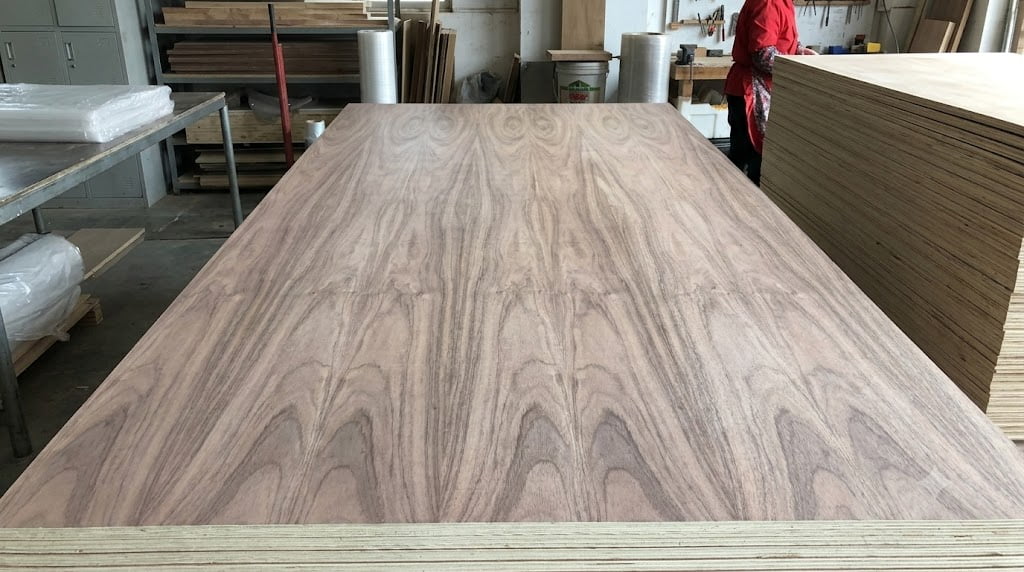
What Is Tzalam Plywood? Complete Guide to Properties, Uses & Benefits
Walk through the door selections at any high-end cabinet shop or architectural millwork facility in Mexico, and you’ll likely encounter tzalam plywood—rich, reddish-brown panels with a lustrous depth that rivals black walnut at a fraction of the cost. Yet despite its widespread use in Latin American furniture manufacturing and growing popularity among North American cabinetmakers seeking exotic alternatives, tzalam remains surprisingly obscure outside professional woodworking circles. Many furniture manufacturers and designers overlook this exceptional material simply because they’ve never heard of it.
The knowledge gap surrounding tzalam plywood represents a missed opportunity. This remarkably hard, stable, and beautiful exotic wood offers the visual richness of walnut, the durability to withstand commercial applications, and the dimensional stability that comes from quality plywood construction—all while typically costing 30-40% less than comparable walnut veneered panels. For cabinetmakers, furniture manufacturers, and interior designers working on projects where exotic appearance, hardness, and budget all matter, understanding tzalam opens new possibilities for creating distinctive work without exceeding material budgets.
As a specialized exotic plywood manufacturer and supplier serving furniture makers, cabinet shops, millwork companies, and commercial interior projects throughout North America, we’ve produced thousands of tzalam veneered panels and helped countless clients discover this underutilized exotic hardwood. This comprehensive guide answers the fundamental question—what is tzalam plywood?—and provides the technical knowledge, application insights, and sourcing guidance you need to evaluate whether this exceptional material belongs in your next project.
- Understanding Tzalam Wood
- What Makes Tzalam Plywood Unique?
- Visual Characteristics of Tzalam Plywood
- Physical Properties and Performance
- Tzalam Plywood vs Other Exotic Woods
- Applications in Furniture and Cabinetry
- Benefits of Tzalam Plywood
- Specifications and Options
- Finishing Tzalam Plywood
- Sustainability and Responsible Sourcing
- Pricing and Availability
- Buying Guide for Tzalam Plywood
- Frequently Asked Questions
Understanding Tzalam Wood
Tzalam Species Overview
Tzalam plywood features a face veneer of Lysiloma latisiliquum, a tropical hardwood native to Mexico, Central America, and the Caribbean region. Known for its exceptional hardness, rich coloration, and resemblance to more expensive walnut, tzalam has been utilized in Mexican furniture and construction for generations but only recently gained attention in broader international markets.
Botanical and Commercial Information:
- Scientific name: Lysiloma latisiliquum (also classified as Lysiloma sabicu in some references)
- Family: Fabaceae (legume/pea family)
- Common names: Tzalam, Caribbean walnut, false tamarind, sabicu, wild tamarind
- Commercial designation: “Tzalam” in Mexico; “sabicu” in Caribbean regions
- Tree characteristics: Medium to large tree; typically 40-60 feet tall with trunk diameters of 2-3 feet
- Growth habitat: Tropical and subtropical dry forests; thrives in coastal and lowland regions
Wood Characteristics:
- Hardness: Janka hardness rating approximately 1,700 lbf (considerably harder than black walnut at 1,010 lbf)
- Density: 52-56 lbs/ft³ when dry (medium-heavy weight; denser than most domestic hardwoods)
- Grain pattern: Typically straight to slightly interlocked; occasionally wavy in some specimens
- Texture: Medium texture with moderate natural luster
- Pore structure: Diffuse-porous with medium-sized pores
- Color: Heartwood ranges from reddish-brown to dark chocolate brown with occasional darker streaks
- Sapwood: Pale yellow to light brown; distinct contrast with heartwood
- Durability: Very durable; excellent natural resistance to decay and insect attack
- Workability: Good; machines well despite hardness; holds detail in milling operations
The name “tzalam” derives from the Mayan language and remains the standard commercial term in Mexico, particularly in the Yucatan Peninsula where the finest material originates. The alternate name “Caribbean walnut” accurately describes the wood’s visual similarity to true walnut (Juglans species), though the two are botanically unrelated. This walnut-like appearance is one of the primary reasons tzalam plywood has gained popularity among furniture makers seeking exotic alternatives to increasingly expensive walnut.
Geographic Origins and Availability
Understanding the geographic distribution and sourcing of tzalam wood plywood provides important context for quality expectations and availability:
Natural Range:
- Mexico: Yucatan Peninsula (Quintana Roo, Yucatan, Campeche states); primary commercial source for plywood production
- Central America: Belize, Guatemala, Honduras; smaller commercial quantities
- Caribbean: Cuba, Jamaica, Bahamas; historically significant but limited current commercial harvest
- Climate zone: Tropical and subtropical dry forests; requires seasonal rainfall patterns
- Elevation range: Sea level to approximately 1,500 feet; predominantly lowland species
Commercial Processing Centers:
- Mexican production: Concentrated in Yucatan region with established sawmill and veneer slicing infrastructure
- Plywood manufacturing: Primarily Mexican facilities specializing in exotic veneered panels
- Quality variation: Yucatan Peninsula material generally considered highest grade for color consistency and figure
- Sustainable management: Mexican forestry regulations govern harvest; increasingly plantation-grown supplementing wild harvest
Market Availability:
- Supply status: Moderate availability; significantly more accessible than rarer exotics but less common than domestic species
- Market presence: Strong in Mexican and Latin American markets; growing awareness in North American specialty markets
- Demand trends: Increasing as furniture makers discover walnut alternative properties
- Competition factors: Not heavily exported as solid lumber; primarily available as veneered plywood panels
Sourcing Considerations:
- Lead times: Typically 4-8 weeks for custom plywood panel orders; stock panels occasionally available from specialized distributors
- Minimum orders: Often require container quantities for direct import; smaller quantities through North American distributors
- Seasonal factors: Harvest and processing schedules may affect availability during rainy seasons
- Quality consistency:
Comments