
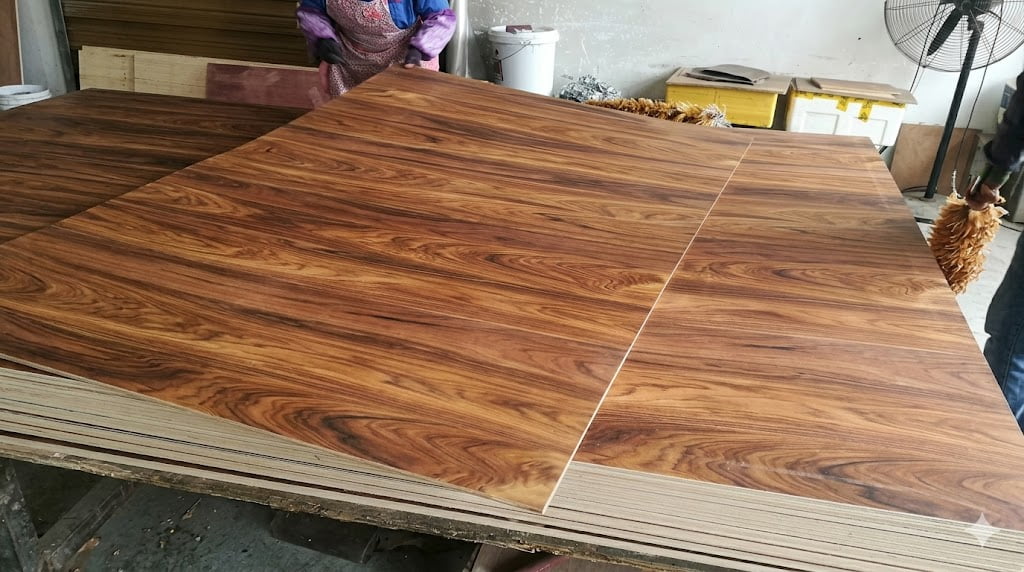
Horizontal vs Vertical Veneer Grain: Which One is Better for Furniture and Panels?
When specifying veneered plywood for cabinets, wall panels, or furniture, one of the most impactful yet frequently overlooked decisions is veneer grain direction. Whether you orient wood grain horizontally or vertically dramatically affects both the visual perception and design impact of finished pieces—yet many designers and manufacturers don’t fully understand the differences.
The choice between horizontal vs vertical veneer grain isn’t simply aesthetic preference; it influences how spaces feel, how eye movement flows across surfaces, and how well your millwork integrates with architectural elements. As a premium veneer plywood manufacturer, we guide clients through this decision daily, helping them achieve design objectives through strategic grain orientation.
This comprehensive comparison explores the practical differences, application-specific recommendations, and decision frameworks to help furniture makers, cabinet designers, and interior professionals choose the optimal grain direction for every project.
Understanding Veneer Grain Direction
Before comparing advantages, it’s essential to understand what grain direction actually means in veneered plywood construction.
What is Horizontal Grain Veneer?
Horizontal veneer grain (also called “horizontal grain orientation” or “running grain”) refers to veneer applied so that the wood grain lines run parallel to the longest dimension of the panel—typically left-to-right when viewing the panel face.
Key characteristics include:
- Grain flow: Wood grain, figure, and natural features run horizontally across the panel width
- Panel construction: Veneer sheets are typically laid with grain perpendicular to the panel length
- Visual effect: Creates perception of width; eye naturally follows grain horizontally
- Standard orientation: Most common in traditional furniture and cabinetry manufacturing
- Matching patterns: Book match or slip match seams typically run vertically down the panel
In practical terms, when you look at a cabinet door or wall panel with horizontal grain, you see the wood’s natural striping and character running side-to-side, much like looking at a tree’s growth rings from the side.
What is Vertical Grain Veneer?
Vertical grain veneer (also called “vertical grain orientation” or “vertical running grain”) refers to veneer applied so grain lines run parallel to the panel height—top-to-bottom when viewing the face.
Key characteristics include:
- Grain flow: Wood grain, figure, and natural features run vertically up the panel height
- Panel construction: Veneer sheets are laid with grain parallel to the panel length
- Visual effect: Creates perception of height; eye moves vertically along grain direction
- Contemporary preference: Increasingly popular in modern and contemporary designs
- Matching patterns: Book match or slip match seams typically run horizontally across the panel
With vertical grain orientation, the same wood species appears taller and more dramatic, with grain emphasizing vertical movement rather than horizontal spread.

Visual and Aesthetic Differences
How Grain Direction Affects Appearance
The most immediate impact of horizontal vs vertical wood veneer is visual—how the finished surface appears and how it draws the eye.
Grain Pattern Emphasis:
- Horizontal grain: Emphasizes wood’s natural character features—cathedral patterns, rays, mineral streaks appear wider and more pronounced
- Vertical grain: Stretches and elongates figure patterns; creates more linear, streamlined appearance
- Species impact: Highly figured species (walnut, mahogany, oak) show more dramatic differences than subtle-grained woods (maple, birch)
Visual Texture and Movement:
- Horizontal grain: Creates “busier” appearance with more visual activity across the surface
- Vertical grain: Appears calmer, more organized, with cleaner visual flow
- Pattern density: Same wood species appears to have different grain density based purely on orientation
Matching Seam Appearance:
- Horizontal grain: Vertical seams where veneer sheets join; seams potentially more noticeable if grain doesn’t align perfectly
- Vertical grain: Horizontal seams across the panel; often less visually disruptive as they don’t interrupt vertical eye movement
- Book matching: Creates mirror-image effects that read differently horizontal vs vertical
Perceived Dimensions and Space Impact
Beyond pure aesthetics, grain direction manipulates spatial perception—a powerful tool for interior designers.
Horizontal Grain Effects:
- Width emphasis: Makes surfaces appear wider than they are; useful for narrow spaces
- Grounding effect: Creates visual weight and stability; surfaces feel more settled
- Horizontal flow: Encourages eye to move left-right, connecting adjacent elements
- Space expansion: Can make small rooms feel broader, particularly on wall panels
- Traditional feeling: Familiar orientation creates comfortable, conventional atmosphere
Vertical Grain Effects:
- Height emphasis: Makes surfaces and spaces feel taller; ideal for low-ceiling spaces
- Lifting effect: Creates visual lightness; surfaces feel less heavy
- Vertical flow: Draws eye upward, emphasizing room height
- Space elevation: Can make rooms with lower ceilings feel more spacious vertically
- Contemporary feeling: Less common orientation creates modern, intentional aesthetic
These perceptual effects make veneer grain direction a strategic design tool beyond simple aesthetic preference. A skilled designer uses grain orientation to solve spatial challenges or reinforce design concepts.

Horizontal Grain Veneer: Advantages and Applications
Best Uses for Horizontal Grain
Horizontal veneer grain furniture and panels excel in specific applications where their characteristics provide advantages:
Wide Horizontal Surfaces:
- Table tops: Dining tables, desks, and conference tables where grain follows the length dimension
- Countertops: Kitchen islands and bathroom vanity tops where horizontal grain feels natural
- Shelving: Bookcase shelves and display shelving where grain runs along the shelf length
- Cabinet tops: Upper cabinet crown molding and trim applications
On horizontal surfaces, horizontal grain veneer aligns with how we naturally perceive wood furniture—grain flowing along the length, similar to how a tree grows.
Traditional Cabinetry:
- Cabinet doors: Traditional frame-and-panel doors where horizontal grain is conventional
- Drawer fronts: Particularly in chest-of-drawers where horizontal grain creates visual continuity
- Cabinet face frames: Where grain runs along frame members
- Wainscoting: Lower wall treatments in traditional interiors
Low-Ceiling Spaces:
- Wall panels: When ceiling height is limited and you want to emphasize room width
- Ceiling treatments: Wood ceiling panels where horizontal grain creates lateral flow
- Basement renovations: Spaces with naturally lower ceilings benefit from width-emphasizing grain
Design Styles That Work Best
Certain design aesthetics naturally pair with horizontal grain orientation:
- Traditional styles: Colonial, craftsman, and classic designs where horizontal grain is historically accurate
- Transitional designs: Bridging traditional and contemporary where familiar grain orientation provides comfort
- Rustic and farmhouse: Natural wood aesthetics where horizontal grain emphasizes organic character
- Mid-century modern: Period-appropriate orientation for authentic mid-century furniture reproduction
- Casual contemporary: Relaxed modern spaces that aren’t strictly minimalist

Vertical Grain Veneer: Advantages and Applications
Best Uses for Vertical Grain
Vertical grain veneer panels provide distinct advantages in applications where height, drama, and contemporary aesthetics matter:
Tall Vertical Surfaces:
- Wall panels: Floor-to-ceiling accent walls where vertical grain emphasizes height
- Column wrapping: Architectural columns where vertical grain follows the column height
- Tall cabinet doors: Full-height pantry doors, wardrobe doors where grain runs with door height
Comments