
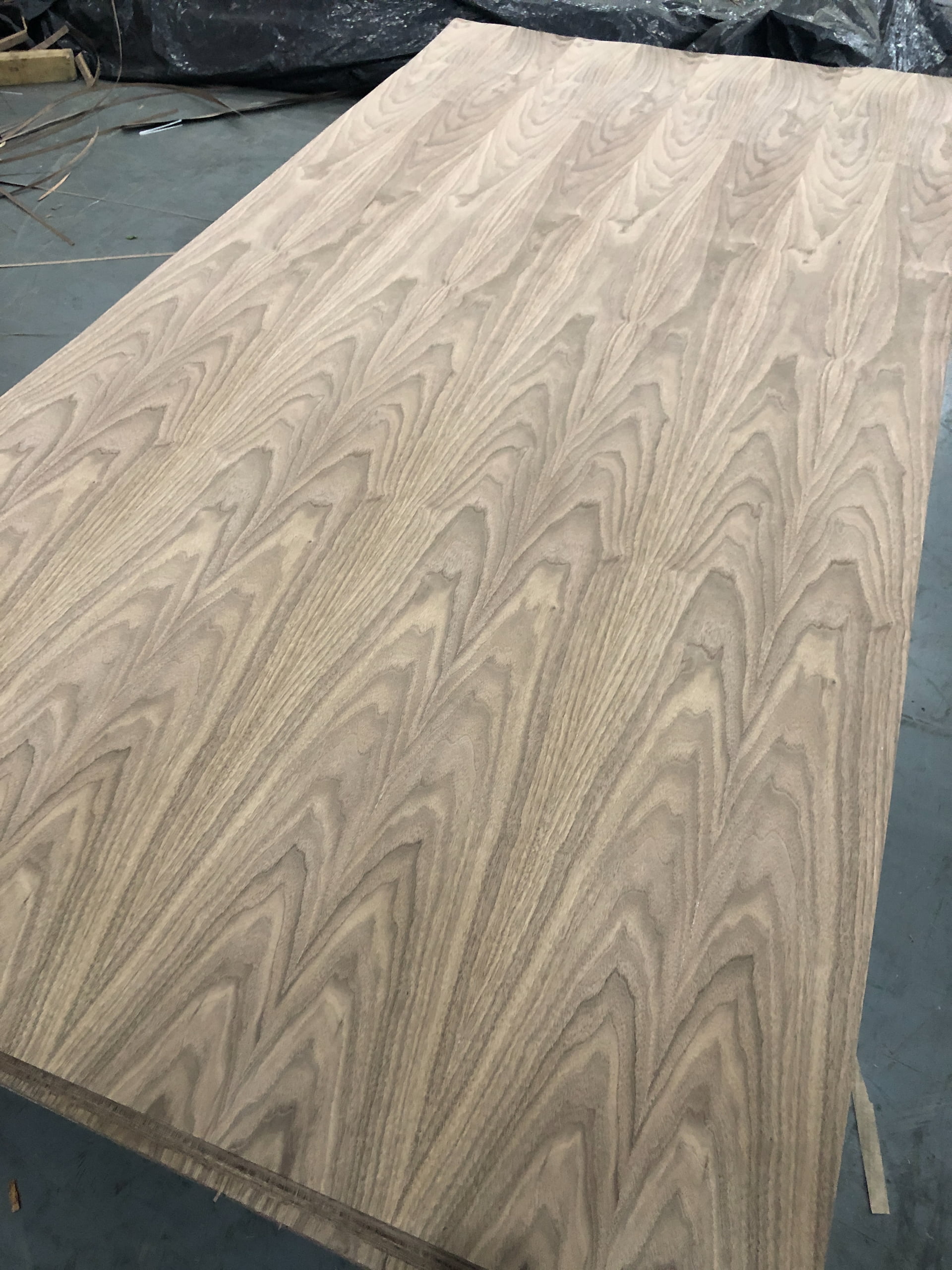
Rosa Morada vs Walnut: Complete Wood Comparison for Furniture & Interiors (2024 Guide)
Choosing between Rosa Morada and walnut presents an intriguing decision for furniture makers, interior designers, and architects seeking premium hardwoods that elevate project aesthetics beyond ordinary species. While American black walnut has long dominated the premium furniture market with its classic chocolate tones and universal appeal, Rosa Morada offers a compelling alternative with distinctive pink-purple coloration that challenges conventional wood aesthetics. As a specialized Rosa Morada and walnut veneer manufacturer serving designers and furniture producers globally, we frequently guide clients through this comparison.
This comprehensive Rosa Morada vs walnut wood comparison examines every decision factor—from color and grain characteristics to hardness, workability, cost, market positioning, and ideal applications. Whether you’re designing custom cabinetry for luxury residential projects, specifying materials for commercial furniture, or planning product lines that differentiate your brand, understanding how these premium species compare enables strategic material selection aligned with design intent, budget parameters, and market positioning objectives.
- Overview: Rosa Morada and Walnut Wood Species
- Visual Appearance Comparison
- Physical Properties: Rosa Morada vs Walnut
- Workability and Fabrication Differences
- Best Applications: When to Choose Rosa Morada
- Best Applications: When to Choose Walnut
- Cost and Availability Comparison
- Design Trends: Rosa Morada vs Walnut Popularity
- Frequently Asked Questions
- Source Premium Rosa Morada and Walnut Materials
Overview: Rosa Morada and Walnut Wood Species
Before examining detailed comparisons, understanding each species’ fundamental characteristics, origins, and typical commercial forms establishes context for evaluating their respective advantages in furniture and interior applications.

Rosa Morada Characteristics and Origin
Rosa Morada (Peltogyne mexicana) originates from Mexico and Central America, growing in tropical and subtropical forests from southern Mexico through Guatemala and Honduras. The species belongs to the Peltogyne genus, which includes various purpleheart species distributed throughout Latin America, though Rosa Morada represents the Mexican variant with distinct characteristics that differentiate it from South American purplehearts.
The wood’s defining feature—and the source of its Spanish name meaning “purple rose”—is its remarkable pink, rose, and purple-brown coloration. Fresh-cut Rosa Morada displays lighter pink tones that deepen and intensify to rich purple-brown hues through natural oxidation upon exposure to air and UV light. This color transformation occurs over weeks to months, developing without stains, dyes, or chemical treatments—the coloration represents the wood’s inherent pigmentation from naturally occurring compounds.
Rosa Morada exhibits fine to medium texture with generally straight grain, though premium pieces occasionally display subtle ribbon figure or slight interlocking that adds visual interest without overwhelming the distinctive color. The wood’s tight pore structure and even grain create naturally smooth surfaces that finish beautifully, requiring minimal grain filling while showcasing exceptional color depth and clarity.
With a Janka hardness rating of approximately 1,780 lbf, Rosa Morada classifies as a moderately hard wood—notably harder than walnut, comparable to hard maple, yet softer than hickory or Brazilian purpleheart. This hardness provides excellent durability for furniture, cabinetry, and high-use surfaces while remaining workable with standard woodworking equipment and techniques.
In commercial applications, Rosa Morada primarily appears as:
- Veneered plywood: 0.6mm-1.0mm face veneer on cabinet-grade substrate for panels, doors, and furniture components
- Decorative veneer sheets: Sliced veneer for architectural millwork and custom furniture projects
- Solid lumber: Limited availability in select widths for specialty applications
- Edge banding: Matching solid wood or veneer edge tape for panel finishing
American Walnut Characteristics and Origin
American black walnut (Juglans nigra) grows throughout the eastern United States and southeastern Canada, representing one of North America’s most valuable and sought-after furniture woods. Centuries of use in fine furniture, cabinetry, and architectural millwork have established walnut as the benchmark premium hardwood against which other species are measured.
Walnut exhibits rich chocolate brown heartwood with purple-black streaks, occasional lighter brown areas, and subtle color gradations that create visual depth. The sapwood contrasts dramatically with creamy white to pale yellow tones, though furniture-grade material typically consists primarily of heartwood. Freshly machined walnut displays lighter brown tones that gradually darken with UV exposure, developing deeper, richer chocolate hues over months and years of aging.
The species features straight to slightly wavy grain with occasional figured patterns including curly, crotch, burl, and beeswing figures in premium selections. Walnut’s grain provides moderate visual interest—more prominent than maple’s subtle grain but less dramatic than oak or ash. This balanced grain character allows walnut to complement diverse design styles from traditional to contemporary without dominating visual perception.
With a Janka hardness rating of approximately 1,010 lbf, walnut classifies as a moderately soft hardwood—comparable to cherry and significantly softer than Rosa Morada, hard maple, or oak. Despite its lower hardness, walnut’s stable, fine-grained structure provides excellent durability for furniture and cabinetry when properly finished and maintained. The softer density also offers advantages in machining, carving, and achieving fine detail in turned or carved elements.
Walnut’s commercial availability is exceptional, offered in:
- Solid lumber: Wide range of widths, lengths, and grades from multiple North American suppliers
- Veneered plywood: Standard cabinet-grade panels in numerous substrate options and thicknesses
- Decorative veneer: Extensive figure options (plain sliced, quarter cut, crotch, burl) from numerous suppliers
- Edge banding: Universal availability in solid, veneer, and PVC options
- Engineered products: Pre-finished panels, doors, moldings, and components
This comprehensive supply infrastructure makes walnut readily accessible for projects of any scale, from single custom pieces to large commercial furniture runs requiring consistent material across thousands of units.
Visual Appearance Comparison
Aesthetics drive most Rosa Morada vs walnut decisions, as these woods deliver fundamentally different visual statements despite both occupying the premium furniture market. Understanding their color characteristics, grain patterns, and overall design compatibility clarifies which species aligns with specific project aesthetics.

Color: Pink-Purple vs Chocolate Brown
Color represents the most dramatic difference in the Rosa Morada vs walnut comparison, determining primary aesthetic impact and design compatibility:
Rosa Morada Color Profile:
- Fresh-cut appearance: Light pink, rose, with purple undertones
- Aged/finished appearance: Deep rose, purple-brown, burgundy with persistent pink highlights
- Color range: Pink to purple spectrum unavailable in any other commercial furniture wood
- Sapwood: Pale yellow-white (typically excluded from furniture-grade selections)
- Color variation: Moderate consistency throughout heartwood with slight tonal variations
- UV response: Deepens and enriches over time, becoming more purple-brown while retaining pink undertones
- Long-term stability: Color remains distinctive indefinitely with proper UV protection
Rosa Morada’s pink-purple coloration creates immediate, memorable visual impact unmatched by any conventional furniture wood. This distinctiveness serves multiple design objectives:
- Differentiation: Instant recognition and memorability in commercial spaces (retail, hospitality, corporate) where brand identity benefits from distinctive materials
- Contemporary aesthetics: Perfect fit for modern and contemporary designs that celebrate unconventional materials and challenge traditional wood expectations
- Feminine appeal: Natural choice for spaces targeting female clientele or expressing soft, romantic design themes
- Tropical and coastal themes: Exotic color suggests origin stories and destination aesthetics
- Color blocking: Functions as organic accent color in neutral interiors, providing warmth without requiring painted surfaces
However, Rosa Morada’s distinctive color also presents design considerations:
- Limited compatibility with traditional or conservative design schemes
- Requires confident design vision and client acceptance of unconventional wood aesthetics
- May limit resale appeal in residential applications due to specialized taste profile
- Challenging to specify in contexts where wood “should” look like conventional hardwood
Walnut Color Profile:
- Heartwood: Rich chocolate brown to purple-brown
- Streaking: Dark brown to near-black mineral lines and purple-black
Comments