
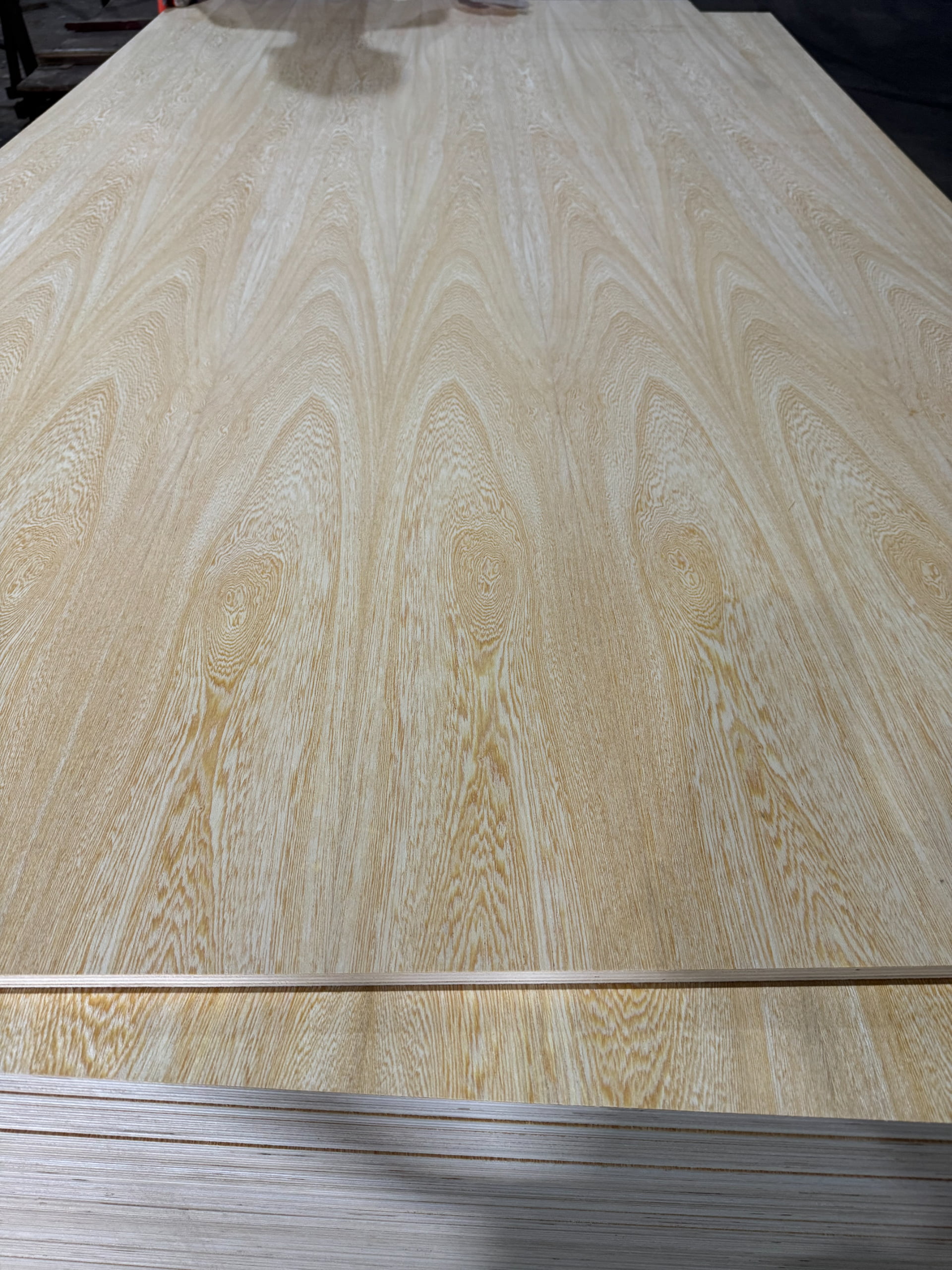
Why Furniture Factories Choose Rosa Morada: 7 Manufacturing Advantages Explained
Rosa Morada has emerged as a preferred hardwood choice among furniture manufacturers worldwide, particularly for premium and mid-luxury furniture lines. As a leading Rosa Morada plywood manufacturer and supplier to furniture factories across Asia, Europe, and North America, we’ve witnessed firsthand why this distinctive Central American hardwood continues gaining market share in competitive furniture manufacturing.
This comprehensive guide explains why furniture factories choose Rosa Morada for production, covering everything from its unique aesthetic properties and manufacturing advantages to cost considerations and sourcing strategies. Whether you’re a furniture factory evaluating new wood species or expanding your product line with premium materials, understanding Rosa Morada wood for furniture manufacturing can provide significant competitive advantages.
- What Makes Rosa Morada Ideal for Furniture Manufacturing
- 7 Key Advantages of Rosa Morada for Furniture Factories
- Rosa Morada Plywood Specifications for Furniture Production
- Common Furniture Applications Using Rosa Morada
- Rosa Morada vs Traditional Furniture Woods
- How to Source Quality Rosa Morada for Your Factory
- Frequently Asked Questions
- Partner with a Reliable Rosa Morada Plywood Manufacturer
What Makes Rosa Morada Ideal for Furniture Manufacturing
Rosa Morada (Tabebuia rosea) offers furniture manufacturers a unique combination of visual appeal, workability, and market positioning that few other hardwood species can match. Native to Mexico and Central America, this tropical hardwood has gained significant traction in furniture production over the past decade as factories seek differentiation in increasingly competitive markets.

Natural Aesthetic Appeal
The primary reason furniture factories choose Rosa Morada is its distinctive coloration. The heartwood displays striking pink to purple-brown tones that naturally differentiate finished furniture without requiring exotic stains or finishing processes. This inherent color variation creates visual interest and perceived value that consumers associate with premium, hand-crafted furniture.
Unlike woods requiring heavy staining to achieve desirable colors, Rosa Morada’s natural pigmentation reduces finishing steps and chemical usage in production. Factories report that Rosa Morada plywood furniture applications require 20-30% less finishing time compared to oak or ash alternatives, directly impacting production costs and throughput.
The wood’s color deepens and enriches over time through natural oxidation, a characteristic furniture buyers value as it adds character and aging beauty to pieces. This quality supports premium pricing strategies and enhances brand reputation for quality craftsmanship.
Superior Workability Properties
Rosa Morada exhibits excellent machining characteristics that optimize furniture factory operations. With a Janka hardness of approximately 1,780 lbf, the wood is firm enough for structural furniture components yet soft enough to machine efficiently without excessive tool wear.
Factory managers appreciate Rosa Morada’s response to standard woodworking equipment. The wood routes cleanly, accepts joinery well, and produces smooth surfaces with minimal sanding. Planing and profiling operations yield consistent results, reducing quality control issues and material waste. Our factory clients report tool life improvements of 15-25% when switching from harder species like teak or ipe to Rosa Morada wood for furniture manufacturing.
7 Key Advantages of Rosa Morada for Furniture Factories
Beyond basic workability, Rosa Morada offers specific manufacturing and business advantages that impact factory profitability and market competitiveness. These seven benefits explain why furniture manufacturers increasingly specify Rosa Morada for new product development.

1. Distinctive Color Differentiation
In saturated furniture markets where oak, walnut, and ash dominate, Rosa Morada provides immediate visual differentiation. The pink-to-purple heartwood creates memorable furniture that stands out in retail environments and online catalogs. This distinction supports premium pricing and brand identity development.
Furniture factories serving boutique retailers, interior designers, and premium residential markets find that Rosa Morada furniture production advantages include enhanced perceived value. Consumer surveys indicate buyers associate Rosa Morada’s unique coloring with exotic, high-quality craftsmanship, justifying 15-20% price premiums over comparable pieces in standard hardwoods.
Marketing teams benefit from Rosa Morada’s story-telling potential. The wood’s Central American origins, natural color evolution, and traditional uses provide narrative elements that resonate with consumers seeking authentic, distinctive furniture.
2. Excellent Machining and Finishing
Production efficiency directly impacts factory profitability. Rosa Morada’s moderate density and straight-to-interlocked grain structure optimize multiple manufacturing processes:
- Cutting and Sawing: Clean cuts with minimal tear-out reduce secondary finishing operations
- Drilling and Boring: Accepts hardware installation without splitting or chipping
- Sanding: Smooths readily through grits 120-220, reducing abrasive consumption
- Gluing: Excellent adhesive bonding for lamination and edge banding applications
- Finishing: Accepts stains, clear coats, and oils uniformly with minimal blotching
Factory production managers report that furniture lines utilizing Rosa Morada plywood for furniture OEM achieve 10-15% higher throughput compared to denser tropical hardwoods requiring specialized tooling or additional processing steps.
3. Dimensional Stability in Production
Furniture manufacturers require wood species that maintain dimensional stability throughout production cycles and in finished products. Rosa Morada plywood demonstrates excellent stability characteristics that reduce warranty claims and customer complaints.
The wood’s moderate shrinkage rates (radial: 3.2%, tangential: 5.6%) and seasonal movement characteristics minimize joint failures, panel warping, and door fitting issues. When properly dried to 8-10% moisture content, Rosa Morada maintains its dimensions reliably through various humidity conditions in residential and commercial environments.
For factories producing furniture destined for diverse climates, this stability reduces costly callbacks and returns. Quality control data from our factory partners shows Rosa Morada furniture exhibits 40% fewer stability-related defects compared to some popular alternatives.
4. Premium Market Positioning
Rosa Morada occupies a valuable market position between standard commercial hardwoods and ultra-premium exotics. This positioning allows furniture factories to develop mid-luxury and premium product lines without the prohibitive costs associated with woods like teak, mahogany, or zebrano.
Retailers report strong consumer response to Rosa Morada furniture positioned as “designer wood” or “exotic hardwood,” with conversion rates 20-30% higher than comparable oak or walnut pieces at similar price points. The wood’s visual distinctiveness supports brand differentiation strategies and helps furniture factories establish market niches.
For factories serving hospitality, commercial, and residential segments, Rosa Morada enables product line diversification. The same species works effectively in casual bedroom furniture and formal executive office pieces, reducing inventory complexity while maintaining aesthetic consistency across product ranges.
5. Consistent Supply Chain Availability
Unlike some exotic hardwoods with limited availability or seasonal supply constraints, Rosa Morada is cultivated across multiple Central American regions, ensuring reliable sourcing for furniture factories with consistent production schedules.
As an established Rosa Morada plywood bulk supplier for factories, we maintain strategic inventory across Asian manufacturing hubs and can accommodate production runs from 100 sheets to container-load quantities. Our supply chain includes multiple veneer sources in Mexico, Guatemala, and Costa Rica, providing redundancy that protects furniture factories from material shortages.
Lead times for standard specifications typically range 4-6 weeks, with custom sizes and grades available within 6-8 weeks. This predictability supports just-in-time manufacturing strategies and reduces working capital tied up in excessive inventory.
6. Cost-Effective Premium Alternative
Rosa Morada delivers premium aesthetics at price points significantly below ultra-luxury hardwoods. Current market pricing positions Rosa Morada plywood approximately 20-30% below teak or genuine mahogany while commanding 25-40% premiums over standard oak or ash.
This pricing structure creates attractive margin opportunities for furniture manufacturers. Factories can position Rosa Morada furniture at mid-premium price points while maintaining healthy profit margins, or use the cost savings to invest in enhanced construction quality, hardware, or finishing details that further differentiate their products.
Volume pricing for wholesale Rosa Morada furniture plywood becomes increasingly advantageous at container-load quantities, with per-sheet costs decreasing 12-18% for committed annual volumes. Many furniture factories find that switching 20-30% of their product lines to Rosa Morada improves overall profitability without requiring retail price increases.
7. Versatile Application Range
Rosa Morada’s balanced properties make it suitable for diverse furniture categories, reducing the need for factories to maintain multiple wood species inventories. The same Rosa Morada plywood specifications work effectively across:
- Bedroom furniture (wardrobes, dressers, beds, nightstands)
- Dining room pieces (tables, chairs, china cabinets, buffets)
- Living room furniture (entertainment centers, bookcases, accent tables)
- Office furniture (desks, credenzas, filing cabinets, conference tables)
- Kitchen cabinetry and bathroom vanities
- Commercial furniture for hospitality and retail environments
This versatility simplifies inventory management, reduces minimum order quantities across product lines, and allows factories to respond quickly to market trends without sourcing entirely new material types.
Rosa Morada Plywood Specifications for Furniture Production
Understanding technical specifications ensures furniture factories select appropriate furniture grade Rosa Morada plywood specifications for their manufacturing requirements. Standard offerings include multiple thicknesses, grades, and construction types optimized for furniture applications.

Standard Thicknesses and Sizes
Furniture factories typically specify Rosa Morada plywood in these standard thicknesses:
- 3mm – 6mm: Drawer bottoms, cabinet backs, decorative panels
- 9mm – 12mm: Cabinet sides, shelving, partition panels
Comments