
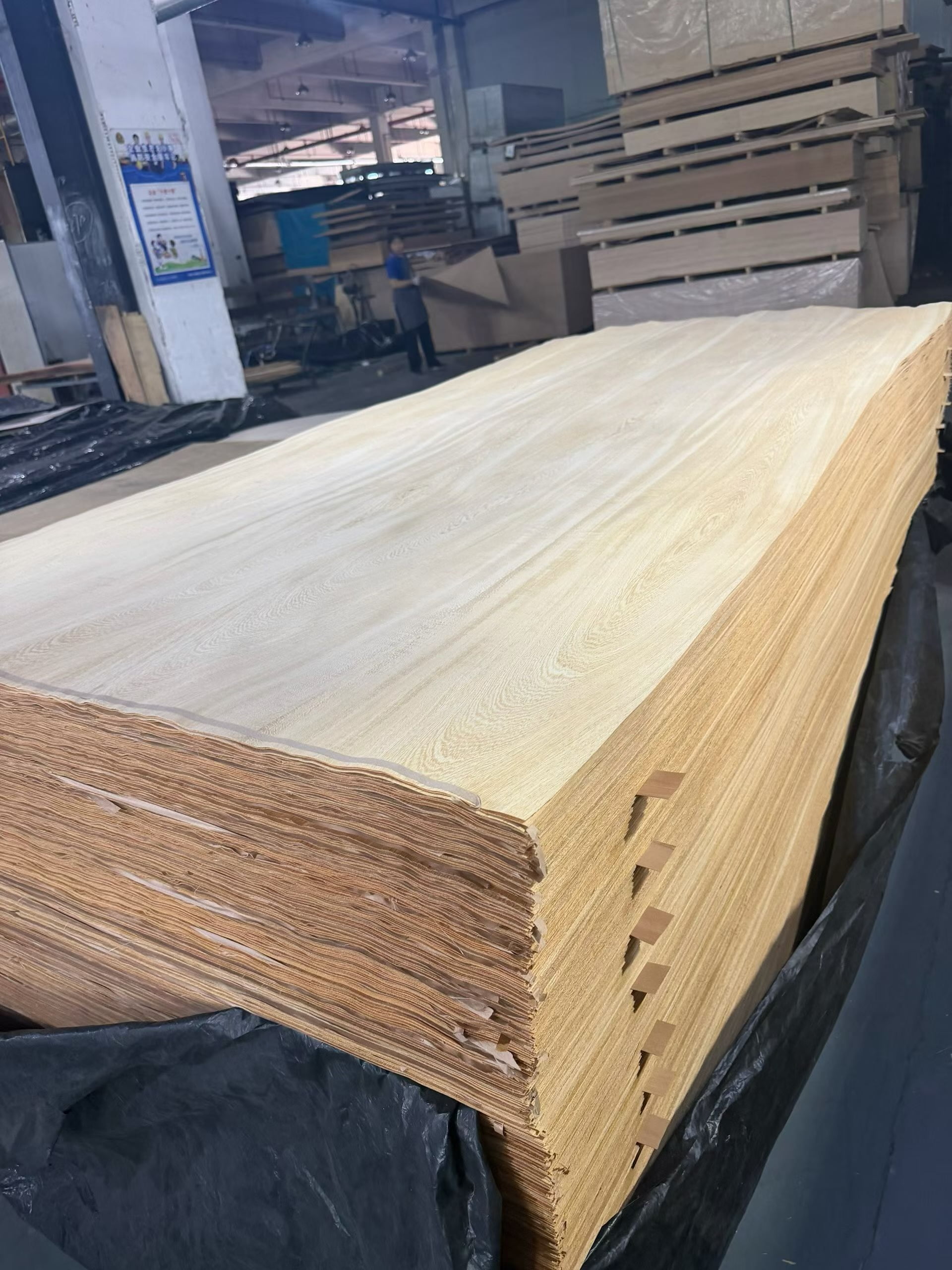
# What Is Rosa Morada Wood? Complete Species Guide For Furniture Makers, Woodworkers, Importers, And Design Professionals Seeking Distinctive Central American Hardwood With Exceptional Color, Workability, And Architectural Presence For Premium Applications
For **furniture manufacturers developing collections requiring distinctive pink-to-purple hardwood aesthetics that differentiate products in competitive markets, custom furniture makers serving clients seeking unique wood species with character and visual impact, architectural millwork contractors specifying materials for high-end commercial and residential interiors, cabinetmakers creating statement pieces where wood color and figure create design focal points, flooring installers offering exotic hardwood options for luxury residential and boutique commercial projects, wood veneer buyers sourcing decorative faces for plywood and panel products, lumber importers evaluating Central American species for specialty hardwood portfolios, turning and carving artisans working materials with superior working properties and finish characteristics, boat builders selecting durable tropical hardwoods for marine applications, musical instrument makers requiring tonal woods with aesthetic appeal, export furniture producers sourcing distinctive species for international markets, interior designers specifying unique wood elements for residential and hospitality projects, timber frame and post-and-beam builders incorporating decorative hardwood accents, woodworking educators teaching species identification and characteristics, and wood enthusiasts** navigating questions about **botanical identification and regional naming variations, geographic distribution and sustainable sourcing, physical and mechanical properties for application engineering, color characteristics and aging behavior, workability with hand and machine tools, finishing properties and recommended techniques, comparative analysis versus alternative species, market availability and pricing, durability and service life expectations, environmental and sustainability considerations, and optimal applications leveraging species strengths**—understanding what rosa morada wood actually is becomes surprisingly complex because **multiple unrelated species share this Spanish common name across different regions, botanical identification confusion creates sourcing risks and specification errors, limited published technical data compared to commercial species requires practical experience knowledge, sustainable harvesting concerns affect availability and responsible sourcing, regional variation in tree characteristics influences material properties, export restrictions in some countries limit supply, naming inconsistencies between suppliers cause procurement confusion, and lack of familiarity outside Central/South America creates market education challenges** that can lead to **incorrect species substitution, unrealistic performance expectations, inappropriate application selection, sourcing from unsustainable or illegal harvest operations, quality variations from inadequate supplier specification, pricing errors from species misidentification, finishing failures from incorrect techniques, and missed opportunities to leverage unique characteristics** of this exceptional hardwood.
Whether you’re a **furniture designer** considering rosa morada for signature collections, **cabinetmaker** evaluating species for high-end residential projects, **architect** specifying materials for boutique hotel or restaurant interiors, **flooring contractor** offering exotic hardwood options, **lumber buyer** assessing import opportunities, **woodworker** exploring new species for artistic and functional work, **veneer producer** developing decorative panel products, **marine craftsman** selecting durable tropical hardwoods, **luthier** investigating tonewoods with visual appeal, **timber trader** expanding tropical hardwood portfolio, **sustainability manager** ensuring responsible species sourcing, **product developer** creating differentiated wood products, **interior designer** incorporating unique natural materials, **wood scientist** researching lesser-known tropical species characteristics, **purchasing manager** qualifying suppliers and verifying species authenticity, **quality control professional** establishing species verification protocols, **market analyst** evaluating species commercialization potential, or **enthusiast woodworker** expanding material knowledge—mastering **botanical classification and identification, regional variations and naming, physical property data and engineering values, visual characteristics and aesthetic potential, working properties and tool requirements, finishing techniques and durability treatments, availability and sourcing channels, pricing dynamics and value positioning, sustainability status and certification options, optimal applications and design considerations, comparative advantages versus alternatives, and species verification methods** transforms rosa morada from **an intriguing but poorly understood exotic species into a strategic material choice** that delivers distinctive aesthetics, reliable performance, responsible sourcing verification, appropriate application engineering, and competitive market positioning.
Most people encounter rosa morada wood through **curiosity-driven scenarios**—seeing finished furniture with striking pink-purple coloration and asking about the species, receiving client requests for “that purple wood from Mexico,” exploring alternatives to expensive purpleheart or rosewood, discovering the name in tropical hardwood catalogs without clear description, purchasing lumber or veneer labeled rosa morada without botanical verification, encountering the species in Central American markets and wondering about commercial potential, or researching exotic hardwoods for distinctive projects—and initially face frustrating information gaps: **conflicting species names across sources, limited technical property data for engineering applications, confusion between different woods called rosa morada, uncertainty about sustainable sourcing and legality, difficulty finding reliable suppliers with verified material, unclear pricing relative to better-known species, limited guidance on optimal applications and techniques, inadequate finishing information, questions about durability and service life, and general lack of comprehensive species profiles** compared to commercially established hardwoods.
This definitive guide answers every critical question about rosa morada wood: **What species are actually called rosa morada? How do you verify botanical identity? Where does it grow and is harvest sustainable? What are the physical and mechanical properties? What color is it and how does it change over time? How does it work with tools and what are finishing best practices? What applications best leverage its characteristics? How does it compare to purpleheart, rosewood, and other colored hardwoods? Where can you source it and what should you expect to pay? What are durability and stability considerations? How do you ensure legal and sustainable sourcing? What are optimal design applications? What should importers and buyers know?**
—
## Section 1: Botanical Identity, Distribution, and Naming Complexities
### Understanding What “Rosa Morada” Actually Refers To
**The Rosa Morada Naming Challenge**
Unlike clearly defined commercial species with standardized botanical names (e.g., *Swietenia macrophylla* = genuine mahogany), **”rosa morada” is a Spanish common name applied to several unrelated tree species** across different Central and South American regions, creating identification and sourcing complexity.
**Primary Species Called Rosa Morada:**
—
**1. Tabebuia rosea (Syn: Handroanthus roseus) — PRIMARY ROSA MORADA**
**Botanical Classification:**
– **Family:** Bignoniaceae (trumpet-creeper family)
– **Genus:** *Tabebuia* (traditional) / *Handroanthus* (revised taxonomy)
– **Species:** *T. rosea* (Bertol.) DC.
– **Synonyms:** *Handroanthus roseus*, *Tecoma rosea*
**Common Names:**
– **Spanish:** Rosa morada, roble de sabana, roble morado, matilisguate (Guatemala), apamate (Venezuela), macuelizo (Honduras)
– **English:** Pink trumpet tree, pink tecoma, pink poui
– **Portuguese:** Ipê-rosa, pau d’arco rosa
**This is the most commonly referenced species** when rosa morada lumber or veneer is sold internationally, though local suppliers may use the name for other species.
—
**Geographic Distribution:**
**Native Range:**
– **Central America:** Mexico (Pacific slope from Sinaloa through Chiapas), Guatemala, Honduras, El Salvador, Nicaragua, Costa Rica, Panama
– **South America:** Colombia, Venezuela, Ecuador
– **Caribbean:** Some introduction/cultivation
**Habitat:**
– **Elevation:** Sea level to 1,200 meters (4,000 feet)
– **Climate:** Tropical and subtropical; seasonally dry to humid forests
– **Soil:** Adaptable; commonly found in secondary growth forests, along rivers, disturbed sites
– **Ecological role:** Pioneer species; fast-growing; ornamental planting common
**Commercial Harvesting Regions:**
– **Primary:** Mexico (Pacific states), Guatemala, Honduras, Costa Rica
– **Limited commercial harvest:** Colombia, Venezuela (more commonly planted as ornamental)
—
**Tree Characteristics:**
**Size:**
– **Height:** 25-30 meters (80-100 feet); occasionally to 35m in optimal conditions
– **Trunk diameter:** 60-100 cm (24-40 inches); occasionally larger in old-growth specimens
– **Form:** Straight cylindrical trunk when forest-grown; spreading crown in open conditions
– **Branching:** Generally clean trunk to 10-15m before major branching
**Distinctive Features:**
– **Flowers:** Spectacular large pink to lavender trumpet-shaped flowers (hence “pink trumpet tree”)
– Blooms during dry season (typically January-April depending on region)
– Trees often bloom before leaves emerge, creating stunning visual display
– Makes species easily identifiable in native habitat
– **Leaves:** Palmately compound with 5 leaflets; deciduous in dry season
– **Bark:** Grayish, becoming fissured with age
– **Fruit:** Long narrow capsules releasing winged seeds
**Identification Note:** The spectacular flowering makes *Tabebuia rosea* unmistakable in the field, but processed lumber requires wood anatomy verification.
—
**2. Platymiscium pleiostachyum — ALTERNATE ROSA MORADA**
**Botanical Classification:**
– **Family:** Fabaceae (legume family)
– **Genus:** *Platymiscium*
– **Species:** *P. pleiostachyum* Donn. Smith
**Common Names:**
– **Spanish:** Rosa morada, cacique, macacho, hormigo
– **English:** Roasted coffee tree (less common)
**Distribution:**
– **Range:** Southern Mexico, Guatemala, Honduras, Nicaragua, Costa Rica
– **Habitat:** Wet tropical forests; 0-1,500m elevation
**Tree Characteristics:**
– **Size:** Medium-sized; 20-25m tall; trunk to 60cm diameter
– **Form:** Straight trunk; moderate buttressing
**Wood Characteristics:**
– **Color:** Pinkish-brown to purple-brown heartwood (similar color range to *Tabebuia rosea*)
– **Density:** Denser than *T. rosea* (~900-1,050 kg/m³)
– **Grain:** Interlocked; fine texture
– **Figure:** Often displays ribbon-stripe figure when quartersawn
**Commercial Importance:**
– **Less commonly traded** than *Tabebuia rosea* under rosa morada name
– **Regional use:** Locally valued in Central America for fine furniture and decorative work
– **Export:** Limited; sometimes mixed with or sold as *Tabebuia* rosa morada
—
**3. Aspidosperma megalocarpon — OCCASIONAL ROSA MORADA**
**Botanical Classification:**
– **Family:** Apocynaceae (dogbane family)
– **Genus:** *Aspidosperma*
– **Species:** *A. megalocarpon* Müll. Arg.
**Common Names:**
– **Spanish:** Rosa morada, cachimbo, volador
– **Limited English usage:** Central American lancewood
**Distribution:**
– **Range:** Mexico (Veracruz, Oaxaca, Chiapas), Guatemala, Honduras, Nicaragua
– **Habitat:** Tropical moist forests; 500-1,800m elevation
**Tree Characteristics:**
– **Size:** 25-35m tall; 60-90cm trunk diameter
– **Form:** Straight trunk
**Wood Characteristics:**
– **Color:** Light pink to pinkish-brown (lighter than *Tabebuia*)
– **Density:** ~700-850 kg/m³
– **Properties:** Hard, heavy, durable
**Commercial Status:**
– **Rarely traded internationally** under rosa morada name
– **Regional use:** Local construction, furniture in native range
– **Confusion potential:** Name overlap but less common in commercial channels
—
**4. Other Regional Species Occasionally Called Rosa Morada:**
**Dalbergia species:**
– Some regional *Dalbergia* (rosewood genus) species occasionally receive rosa morada designation in local markets
– Typically denser, oilier, more expensive than *Tabebuia*
**Peltogyne species:**
– Purpleheart (*Peltogyne* spp.) occasionally called rosa morada in some regions
– Very different properties; much denser and more purple
—
### Species Identification and Verification
**Why Species Verification Matters**
**Performance Implications:**
– **Density range** across species called rosa morada: 600-1,050 kg/m³
– Affects strength, workability, finishing, applications
– **Durability variation:** Some species significantly more decay-resistant than others
– **Workability differences:** Density and grain structure affect tool dulling, tearout, finishing
– **Color range:** Pink, purple-brown, reddish-brown variations affect aesthetic suitability
**Legal and Sustainability Concerns:**
– **CITES status:** Some *Dalbergia* species CITES-listed; requires documentation
– **Export restrictions:** Some countries regulate specific species
– **Sustainability:** Harvest pressure varies significantly by species
**Pricing Justification:**
– **Value differences:** Verified *Tabebuia rosea* vs. less desirable alternatives
– **Market expectations:** Buyers expect specific characteristics
—
**Verification Methods**
**1. Supplier Botanical Documentation:**
**Request:**
– **Botanical name** (*Tabebuia rosea* / *Handroanthus roseus* or alternative)
– **Verification:** How supplier verifies species (expert identification, DNA testing, harvest location documentation)
– **Origin:** Specific region/country of harvest
**Red Flags:**
– Supplier cannot provide botanical name
– Vague descriptions like “rosa morada type” without species
– Reluctance to document species identity
—
**2. Wood Anatomy Analysis:**
**Professional Identification:**
– **Wood anatomy laboratories:** Microscopic examination of cellular structure
– Can definitively identify genus; often species
– **Services:** Forest Products Laboratory (USA), Kew Gardens (UK), specialized consultants
**Macroscopic Characteristics (Preliminary):**
***Tabebuia rosea* characteristics:**
– **Pores:** Diffuse-porous; medium to large vessels visible without magnification
– **Parenchyma:** Banded (visible as lighter lines on end grain)
– **Rays:** Fine to medium; visible on quartered surfaces
– **Color:** Pink to purple-brown heartwood; pale sapwood
– **Density:** ~600-750 kg/m³ (moderate)
– **Odor:** Slight pleasant scent when cut
***Platymiscium pleiostachyum* characteristics:**
– **Pores:** Smaller than *Tabebuia*; arranged in tangential bands
– **Parenchyma:** Vasicentric and aliform (surrounding vessels)
– **Rays:** Fine, numerous
– **Density:** Higher than *Tabebuia* (~900+ kg/m³)
– **Interlocked grain:** Often pronounced
**Limitation:** Macroscopic examination provides clues but microscopic analysis required for certainty.
—
**3. DNA Testing:**
**Advanced Verification:**
– **DNA barcoding:** Emerging technology for wood species verification
– **Process:** Sample extraction; genetic sequencing; database comparison
– **Availability:** Specialized laboratories; increasing availability
– **Cost:** $100-300+ per sample
– **Use case:** High-value shipments; legal compliance; quality assurance programs
—
**4. Source Region Correlation:**
**Geographic Likelihood:**
**If sourced from Pacific Mexico (Sinaloa, Nayarit, Jalisco, Colima, Michoacán, Guerrero, Oaxaca):**
– **High probability:** *Tabebuia rosea* (abundant in this region)
**If sourced from Central America (Guatemala, Honduras, Nicaragua):**
– **Possible:** *Tabebuia rosea* (most common)
– **Also possible:** *Platymiscium pleiostachyum* (wetter forest regions)
**If sourced from Caribbean lowlands or specific interior regions:**
– **Consider:** Other species may be called rosa morada locally
—
**Practical Recommendation for Buyers:**
**Specify Botanical Name:**
– **Purchase agreements:** Include “*Tabebuia rosea*” or accepted synonym
– **Verification clause:** Right to species verification testing
– **Documentation:** Chain of custody showing harvest region
**Sample Approval:**
– **Pre-shipment samples:** Verify color, density, grain matches expectations
– **Retain samples:** For comparison if shipment quality varies
**Reputable Suppliers:**
– **Established exporters:** More likely to have proper botanical verification
– **Certifications:** FSC or other certifications increase species documentation rigor
—
## Section 2: Physical Properties, Mechanical Characteristics, and Performance Data
### Understanding Rosa Morada’s Technical Profile
**This section focuses primarily on *Tabebuia rosea***, the most commonly traded species under the rosa morada name, with comparative notes on alternatives where relevant.
—
**Visual and Color Characteristics**
**Heartwood Color:**
**Fresh-Cut Appearance:**
– **Color range:** Light pink to deep purplish-pink to reddish-brown
– **Variation:** Significant color variation between trees and within individual trees
– Some specimens predominantly light pink
– Others rich purple-brown
– Most: blended tones with color zoning
– **Color zoning:** Darker and lighter bands often visible (growth ring delineation)
**Color Factors:**
– **Growing conditions:** Soil, moisture, elevation influence pigmentation
– **Tree age:** Older trees often develop deeper purple-brown tones
– **Heartwood depth:** Color intensity often
Comments