
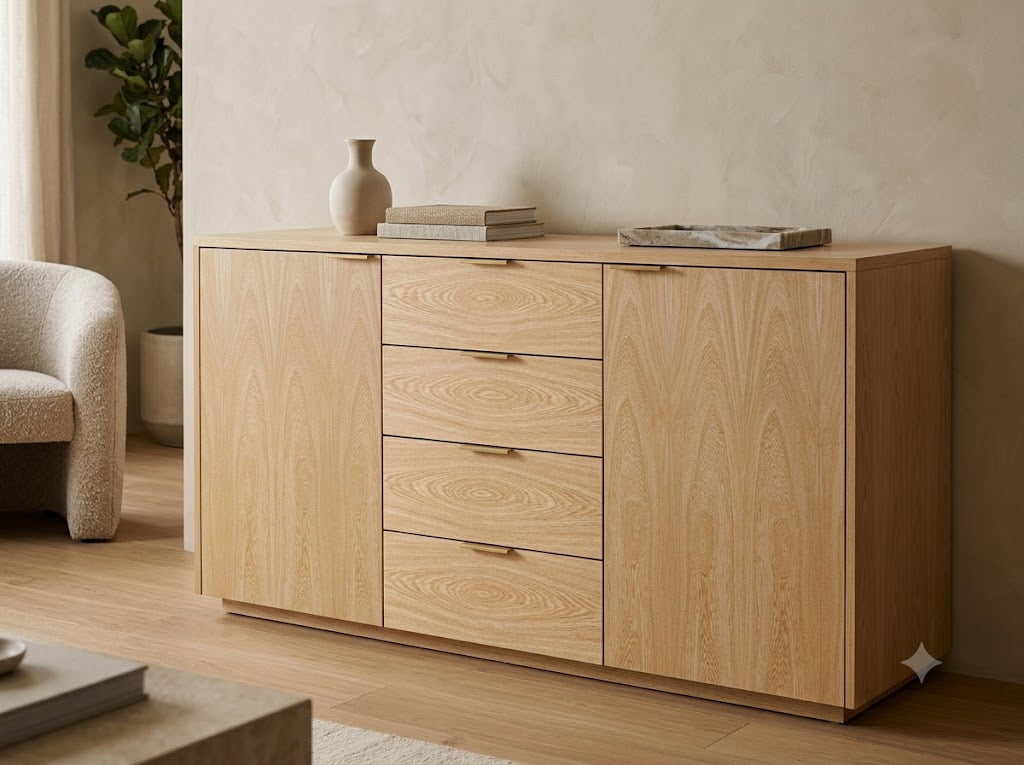
Rosa Morada Kitchen Cabinet Panels: Complete Design & Installation Guide 2024
Rosa Morada kitchen cabinet panels have emerged as a premium choice for homeowners and designers seeking distinctive, memorable kitchen designs that break from conventional wood species. As a specialized Rosa Morada plywood manufacturer for cabinets serving the North American, European, and Asian markets, we’ve seen dramatic growth in demand for this unique Central American hardwood in kitchen applications.
This comprehensive guide covers everything kitchen designers, cabinet makers, and homeowners need to know about Rosa Morada wood veneer kitchen cabinets—from the wood’s unique characteristics and design possibilities to technical specifications, installation requirements, and long-term maintenance. Whether you’re planning a complete kitchen remodel or upgrading existing cabinets, understanding Rosa Morada’s potential can help you create a kitchen that stands out while delivering lasting beauty and performance.
- Why Choose Rosa Morada for Kitchen Cabinet Panels
- Types of Rosa Morada Kitchen Cabinet Panels
- Rosa Morada Cabinet Panel Specifications for Kitchens
- Kitchen Design Styles with Rosa Morada Panels
- Rosa Morada vs Traditional Kitchen Cabinet Woods
- Finishing and Protecting Rosa Morada Kitchen Panels
- Installation Guidelines for Cabinet Makers
- Maintenance and Care for Rosa Morada Cabinets
- Frequently Asked Questions
- Source Quality Rosa Morada Cabinet Panels
Why Choose Rosa Morada for Kitchen Cabinet Panels
Kitchen cabinets represent one of the most visible and impactful design decisions in any home. Rosa Morada panels offer homeowners and designers a unique opportunity to create kitchens that immediately differentiate themselves from standard oak, maple, or walnut installations while maintaining the warmth and organic beauty of natural wood.

Distinctive Color Creates Kitchen Focal Points
The primary reason designers and homeowners choose Rosa Morada kitchen cabinet panels is the wood’s extraordinary color palette. Rosa Morada heartwood displays striking pink, rose, and purple-brown tones that transform cabinets from functional storage into design statements.
Unlike stained or painted finishes that can appear artificial or trendy, Rosa Morada’s coloration is entirely natural, derived from the wood’s inherent pigmentation. This authenticity appeals to homeowners seeking genuine, lasting beauty rather than surface treatments that may date quickly or require refinishing.
The color works surprisingly well across diverse kitchen contexts:
- With white and light countertops: Rosa Morada’s warm pink-purple tones create beautiful contrast against white quartz, marble, or light granite, adding warmth without overwhelming clean, bright kitchen aesthetics
- With dark countertops: The wood’s natural variation and lighter tones prevent kitchens from feeling too heavy or dark when paired with black granite, dark quartz, or soapstone
- With neutral color schemes: In kitchens dominated by grays, whites, and blacks, Rosa Morada introduces organic warmth and personality that softens contemporary minimalism
- With natural materials: The wood coordinates beautifully with stone, concrete, metal, and glass—common materials in modern kitchen design
Kitchen designers report that Rosa Morada cabinets often become conversation pieces, with homeowners and guests consistently commenting on the unique wood. This distinctive character supports premium positioning and helps kitchens achieve memorable, personalized aesthetics that reflect owner taste and investment in quality materials.
Durability Meets Natural Beauty
Beyond aesthetic appeal, Rosa Morada delivers practical performance characteristics essential for kitchen environments. With a Janka hardness rating of approximately 1,780 lbf, the wood offers sufficient durability for cabinet doors and drawer fronts that experience daily opening, closing, and occasional impacts.
The wood’s moderate density provides an ideal balance—hard enough to resist denting and scratching from normal kitchen use, yet workable enough for efficient cabinet fabrication without excessive tool wear. Cabinet makers appreciate Rosa Morada’s machining characteristics, which allow for clean routing of door profiles, precise hinge boring, and smooth edge finishing.
When properly finished with appropriate sealers and topcoats, Rosa Morada plywood kitchen cabinet doors demonstrate excellent resistance to kitchen-specific challenges:
- Moisture resistance: Sealed Rosa Morada withstands typical kitchen humidity from cooking, dishwashing, and general moisture without warping, swelling, or finish degradation
- Temperature stability: The wood maintains dimensional stability despite temperature variations common near stoves, ovens, and other heat sources
- Cleaning compatibility: Finished surfaces clean easily with standard household cleaners without staining or discoloration
- UV stability: While all woods experience some color evolution with light exposure, Rosa Morada’s color deepening over time enhances rather than detracts from appearance
These performance characteristics make Rosa Morada suitable for all kitchen cabinet applications, from frequently-used base cabinet doors to upper cabinets that see less intensive daily use.
Types of Rosa Morada Kitchen Cabinet Panels
Rosa Morada panels serve multiple functions within complete kitchen cabinet systems. Understanding the different panel types and their specific requirements helps designers and cabinet makers specify appropriate materials for each application.

Cabinet Door Panels
Cabinet doors represent the most visible application of Rosa Morada wood veneer kitchen cabinets and consume the largest material quantities in typical kitchen projects. Rosa Morada doors are available in multiple construction styles suited to different design aesthetics:
Slab Doors: Full-panel, flat-surface doors showcase Rosa Morada’s color and grain most prominently. These modern, minimalist doors work particularly well in contemporary and transitional kitchens where clean lines dominate. Slab door construction typically uses veneer-faced plywood or MDF cores in 18mm-20mm thicknesses, with all four edges banded in matching Rosa Morada veneer for seamless appearance.
Slab doors allow for book-matched veneer sequencing across adjacent doors, creating continuous grain flow that emphasizes the wood’s natural beauty. As a custom Rosa Morada cabinet fronts manufacturer, we provide numbered, sequenced veneer sheets that enable cabinet makers to achieve this premium aesthetic detail.
Shaker Style Doors: Traditional shaker construction—featuring a recessed center panel within a frame—adapts beautifully to Rosa Morada. The frame can be constructed from solid Rosa Morada or matching veneer-faced material, with the center panel using Rosa Morada veneer over plywood substrate. This construction provides dimensional stability while controlling costs compared to solid wood throughout.
Shaker doors suit transitional and traditional kitchen designs while allowing Rosa Morada’s distinctive color to remain the focal point. The clean lines of shaker construction prevent the design from competing with the wood’s inherent visual interest.
Raised Panel Doors: For traditional or formal kitchens, raised panel doors in Rosa Morada create sophisticated, classic aesthetics. These doors typically use solid Rosa Morada for rails and stiles, with raised panels veneered over stable substrates. The dimensional profiles and shadow lines of raised panel construction add traditional architectural detail while the Rosa Morada color keeps the look from feeling dated or overly conventional.
Drawer Front Panels
Drawer fronts using Rosa Morada veneer coordinate with door styles while presenting specific fabrication considerations. Drawer fronts typically experience more intensive use than doors—daily opening and closing, occasional impacts from utensils and cookware—requiring durable construction and finishing.
Most Rosa Morada drawer fronts use 5-ply or 7-ply plywood cores with face veneer in 0.5mm-0.8mm thickness. This construction provides dimensional stability essential for drawer fronts that must maintain tight reveals and consistent gaps despite seasonal humidity changes and daily mechanical stress from drawer slides.
In modern slab-style kitchens, drawer fronts match door construction exactly, creating visual continuity across the cabinet system. Some designers specify horizontal grain orientation for drawer fronts to differentiate them subtly from vertically-grained doors, adding visual rhythm to cabinet runs.
For kitchens with shaker or raised panel doors, drawer fronts typically use matching flat panels rather than attempting to replicate complex door profiles at smaller drawer scales. This approach maintains design cohesion while acknowledging the functional differences between doors and drawers.
End Panels and Decorative Applications
Beyond doors and drawers, Rosa Morada panels finish cabinet systems with coordinating end panels, toe kicks, and decorative details:
Cabinet End Panels: Exposed cabinet ends—at kitchen terminations, islands, and peninsula installations—receive Rosa Morada end panels that match door and drawer aesthetics. These panels typically use 12mm-18mm veneer-faced plywood, providing structural rigidity while maintaining visual consistency with the rest of the cabinet system.
End panels finished in Rosa Morada transform what would otherwise be utilitarian cabinet sides into design features that contribute to overall kitchen aesthetics. In open-plan homes where kitchens remain visible from living areas, quality end panel finishing becomes particularly important.
Island Back Panels: Kitchen islands often feature seating areas or serve as room dividers requiring finished backs. Rosa Morada panels on island backs create visual interest from all viewing angles, eliminating the “furniture vs. cabinetry” distinction that plain painted backs introduce.
Refrigerator and Appliance Panels: Integrated appliance aesthetics increasingly dominate premium kitchen design. Rosa Morada panels sized to fit refrigerators, dishwashers, and other appliances create seamless built-in appearances that elevate standard appliances to custom status.
Open Shelving Backs: In kitchens featuring open
Comments