
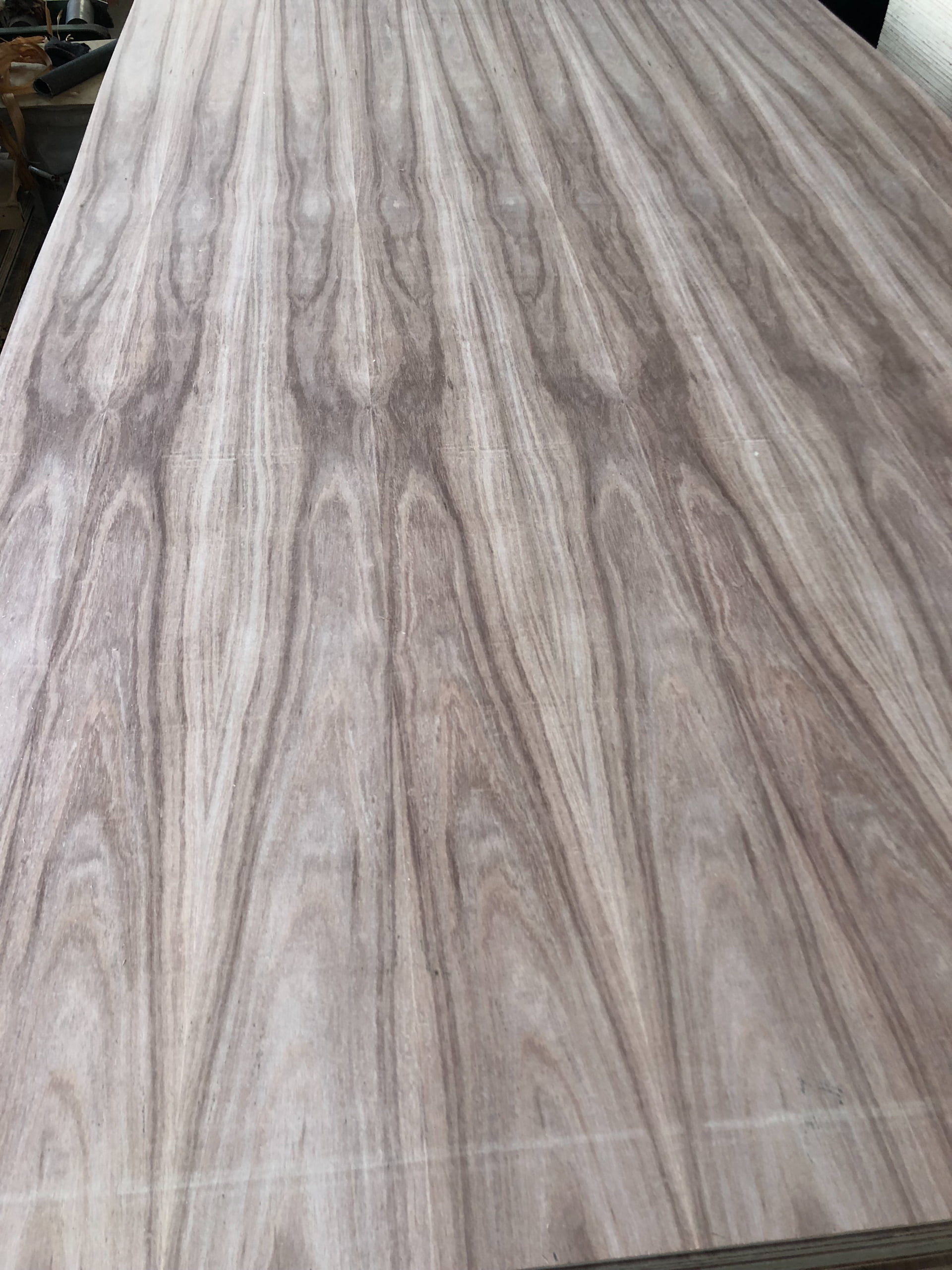
# Tzalam Block Board Advantages: The Complete Technical Guide To Specifying, Manufacturing With, And Installing This Superior Core Material For Doors, Furniture, And Architectural Millwork
For **door manufacturers, furniture makers, cabinetmakers, millwork contractors, architects specifying architectural woodwork, interior designers selecting materials for custom projects, construction managers overseeing commercial fitouts, residential builders, commercial door suppliers, custom furniture shops, exhibition fabricators, and wood products distributors** who must balance **structural performance requirements, weight constraints, cost pressures, finishing quality expectations, dimensional stability demands, and production efficiency**—the fundamental challenge isn’t finding *any* core material or *acceptable* substrate options—it’s identifying **genuinely superior engineered wood products that deliver exceptional strength-to-weight ratios, outstanding screw-holding capacity, dimensional reliability, premium surface quality, and long-term performance** while avoiding the **weight penalties of solid wood, warping issues with standard plywood, core density limitations of particleboard, telegraphing problems** with hollow-core constructions, cost escalations of premium materials, and supply inconsistencies that disrupt manufacturing schedules. **Tzalam block board**—a sophisticated three-layer engineered panel featuring **solid wood strip core, tzalam hardwood face veneers, superior mechanical properties, exceptional machinability, proven durability, and compelling cost-performance positioning**—has emerged as the **strategic core material choice** where success depends on **achieving structural integrity without excessive weight, enabling reliable hardware installation, maintaining flatness across large spans, delivering premium appearance, and optimizing manufacturing economics**.
Whether you’re a **door manufacturer** producing residential entry doors, commercial interior doors, or specialty architectural doors, **custom furniture maker** fabricating tables, desks, credenzas, or case goods requiring stable panels, **cabinetmaker** building high-end kitchens, built-ins, or architectural cabinetry, **millwork contractor** executing commercial wall paneling, wainscoting, or decorative elements, **architect** specifying performance criteria for architectural woodwork packages, **interior designer** selecting materials for signature residential or hospitality projects, **construction manager** evaluating material options for multi-unit developments or commercial buildings, **commercial contractor** sourcing door and millwork materials for office, retail, or institutional projects, **exhibition builder** creating trade show displays or museum installations requiring lightweight yet durable panels, **residential builder** differentiating spec homes through upgraded interior materials, or **distributor** evaluating product lines for dealer networks—understanding **block board construction technology, comparative performance advantages, appropriate applications, manufacturing techniques, finishing systems, cost analysis, and sourcing strategies** transforms material selection from **price-driven commodity purchasing into informed technical decisions** that impact product performance, customer satisfaction, warranty claims, and profitability.
Most industry professionals discover block board through **problem-solving situations**—seeking lightweight alternatives to solid wood doors, addressing warping issues in furniture panels, responding to screw pullout failures in hinged applications, encountering finishing problems with inferior core materials, or exploring cost reduction opportunities—and initially make costly mistakes: **inadequate understanding of quality variations resulting in substandard material, improper specification language causing supplier confusion, poor edge treatment planning creating finishing difficulties, not accounting for core strip orientation in design, missing opportunities for performance optimization through correct grain orientation, inadequate finishing specifications exposing core strips, failing to communicate material advantages to clients and end-users, improper storage causing moisture-related damage, and underutilizing block board’s unique strengths** in applications where it delivers maximum value.
This comprehensive technical guide addresses every critical question professionals must answer: **What exactly is block board and how does it differ from other engineered panels? Why does tzalam facing create specific advantages? What are the measurable performance benefits? Which applications maximize block board strengths? How do you specify material correctly? What are critical manufacturing considerations? How do edge details work? What finishing systems optimize appearance? How does cost compare to alternatives? What are realistic lead times and minimums? How do you avoid quality problems? What installation techniques work best?**
—
## Section 1: Block Board Construction Technology and Material Science
### Understanding Three-Layer Engineered Panel Systems
**What Block Board Actually Is: Construction Breakdown**
**The Three Essential Layers:**
**Layer 1 – Core (Interior):**
– **Composition:** Solid wood strips (batten-cut lumber) arranged edge-to-edge
– **Strip dimensions:** Typically 15-30mm (5/8″-1-1/4″) wide × full panel thickness minus veneer faces
– **Wood species for core:** Usually softwood (pine, fir, poplar) or mixed tropical hardwoods for cost efficiency
– **Strip arrangement:** Laid parallel; edges glued together; forms solid continuous core
– **Grain orientation:** Core grain runs perpendicular to panel length (standard construction)
**Layer 2 & 3 – Cross Bands (Middle Layers):**
– **Composition:** Thin wood veneer layers (cross-banding veneers)
– **Typical thickness:** 1-3mm each layer
– **Grain direction:** Perpendicular to core strips (crosses the core grain)
– **Purpose:** Provides dimensional stability; prevents core strip separation; creates smooth substrate for face veneers
– **Adhesive:** Bonded to core with urea-formaldehyde or phenolic adhesive
**Layer 4 & 5 – Face Veneers (Exterior Surfaces):**
– **Composition:** Tzalam hardwood veneer (for tzalam block board)
– **Typical thickness:** 0.6-1.2mm
– **Grain direction:** Runs length of panel (parallel to panel long dimension)
– **Grade:** A-grade for visible applications; B-grade for paint or laminate applications
– **Adhesive:** Bonded to cross bands under heat and pressure
**Total Layer Count:** Typically 5 layers minimum (core + 2 cross bands + 2 face veneers)
—
**Block Board vs. Other Engineered Panels: Critical Distinctions**
**Block Board vs. Plywood:**
**Structural Differences:**
| Characteristic | **Block Board** | **Standard Plywood** |
|—————-|—————-|——————-|
| **Core composition** | Solid wood strips (15-30mm wide) | Thin veneer layers (1-3mm) throughout |
| **Number of layers** | 5-7 layers typical | 5-13+ layers depending on thickness |
| **Core grain** | Unidirectional (all strips parallel) | Alternating 90° between layers |
| **Weight** | Lighter (20-30% less at equal thickness) | Heavier (more layers = more glue + material) |
| **Screw holding** | Superior (screws bite into solid wood strips) | Good (but less than solid core) |
| **Bending strength** | Stronger in direction parallel to core strips; weaker perpendicular | More balanced; similar strength in both directions |
| **Core visibility** | Visible at edges (requires edge treatment) | Edge shows laminated layers (also requires treatment) |
| **Cost** | Moderate (depends on face veneer species) | Varies widely (depends on core quality and face species) |
**Performance Implications:**
**When Block Board Wins:**
– **Doors:** Lighter weight reduces hinge stress; easier handling; superior screw holding for hardware
– **Long panels:** Greater stiffness in direction of core strips (shelving, tabletops, wall panels)
– **Paint-grade applications:** Smooth cross-band surface creates excellent paint substrate
– **Budget-sensitive projects:** Often 10-20% less expensive than equivalent hardwood plywood
**When Plywood Wins:**
– **Structural applications:** More predictable engineering properties; balanced strength
– **Outdoor/moisture exposure:** Better resistance (especially marine-grade plywood)
– **Complex curves:** Can bend more easily (depending on grain orientation)
– **Industrial applications:** Standardized specifications; more universal availability
—
**Block Board vs. MDF Core Panels:**
**Structural Differences:**
| Characteristic | **Block Board** | **MDF Core with Veneer** |
|—————-|—————-|————————|
| **Core composition** | Solid wood strips | Refined wood fibers compressed |
| **Weight** | Lighter (30-40% less) | Heavy (high density) |
| **Screw holding** | Excellent (solid wood) | Good (but inferior to solid wood) |
| **Edge strength** | Strong (solid wood) | Weaker (can crumble if over-stressed) |
| **Moisture sensitivity** | Moderate (solid wood absorbs/releases) | High (MDF swells significantly when wet) |
| **Flatness** | Very good (cross bands prevent telegraphing) | Excellent (perfectly flat) |
| **Machinability** | Good (requires sharp tools; solid wood core) | Excellent (machines cleanly in all directions) |
| **Cost** | Moderate | Moderate to high (depending on MDF grade) |
**Performance Implications:**
**When Block Board Wins:**
– **Weight-critical applications:** Doors (easier operation; less hinge wear); ceiling panels; large furniture pieces that require moving
– **Hardware-intensive installations:** Multiple hinge screws; lock strikes; repeated screw insertion
– **Furniture legs/supports:** Can safely drill dowel holes or mortises without core failure
– **Vertical applications:** Walls, doors, partitions where weight creates fatigue/stress
**When MDF Core Wins:**
– **Ultra-flat requirements:** High-gloss painted finishes; laminate faces; large unbroken surfaces
– **CNC operations:** Complex 3D carving; intricate cut-outs; decorative routing
– **Edge profiling:** Complex molded edges; decorative details routed into edges
– **Dark-stained contemporary:** Prevents core telegraphing through face veneer
—
**Block Board vs. Particleboard Core:**
**Structural Differences:**
| Characteristic | **Block Board** | **Particleboard Core** |
|—————-|—————-|———————|
| **Core composition** | Solid wood strips | Wood chips/particles + adhesive |
| **Density** | Lower (lighter) | Medium-high (depends on grade) |
| **Screw holding** | Excellent (70-80% of solid wood) | Poor to moderate (25-50% of solid wood) |
| **Bending strength** | High | Low to moderate |
| **Impact resistance** | Good (solid wood resilience) | Poor (chips can fracture/separate) |
| **Cost** | Moderate | Low (least expensive core option) |
**Performance Implications:**
**When Block Board Wins:**
– **Any application requiring hardware:** Hinges, drawer slides, shelf pins, mounting brackets
– **Long-span shelving:** Resists sagging under load
– **High-traffic doors:** Durability; resistance to impact damage
– **Quality-focused projects:** Superior performance justifies modest cost premium
**When Particleboard Core Wins:**
– **Extremely budget-constrained:** Temporary installations; rental property; economy furniture
– **Laminate countertops:** Standard substrate (weight not critical; hardware minimal)
– **Underlayment:** Flooring substrate; non-visible applications
—
**Block Board vs. Solid Wood:**
**Comparative Analysis:**
| Characteristic | **Block Board** | **Solid Wood** |
|—————-|—————-|————–|
| **Weight** | Lighter (30-50% less depending on species) | Heavy (full density of species) |
| **Dimensional stability** | Superior (cross-laminated construction resists movement) | Poor (expands/contracts significantly with humidity) |
| **Width availability** | Wide panels standard (1220mm/48″ common) | Limited by lumber width (150-300mm / 6-12″ typical) |
| **Cost** | Significantly less (50-70% savings for equivalent face species) | High (premium for wide, clear boards) |
| **Appearance** | Veneer face (consistent appearance) | Variable (grain, color, defects) |
| **Repairability** | Limited (veneer can be damaged through) | Excellent (can sand deeply; refinish multiple times) |
| **Environmental perception** | “Engineered” (some clients prefer “real wood”) | “Authentic” (marketing advantage in some markets) |
**Performance Implications:**
**When Block Board Wins:**
– **Doors (especially large sizes):** Weight reduction critical for operation and hardware longevity
– **Wide panels:** Tables, desktops, shelving without glue joints
– **Dimensional stability:** Applications where warping is unacceptable (built-in cabinetry, architectural millwork)
– **Cost-sensitive projects:** Delivers hardwood appearance at fraction of solid wood cost
– **Production efficiency:** Standardized dimensions; consistent quality; faster manufacturing
**When Solid Wood Wins:**
– **High-end traditional furniture:** Authenticity matters; clients willing to pay premium
– **Heirloom/antique reproduction:** Historical accuracy requires solid wood
– **Exposed edges:** Solid wood edges more appealing than veneer edge treatments
– **Structural timber applications:** Beams, posts, structural elements
– **Outdoor applications:** Properly selected species outlast engineered products
—
## Section 2: Tzalam Face Veneer: The Premium Advantage
### Why Tzalam Species Elevates Block Board Performance
**Tzalam (Lysiloma latisiliquum): Species Profile**
**Botanical and Commercial Identity:**
– **Common names:** Tzalam, Chakaj, Tsalam, False Tamarind
– **Botanical name:** *Lysiloma latisiliquum* (L.) Benth.
– **Family:** Fabaceae (Leguminosae) – Legume family
– **Origin:** Mexico (Yucatan Peninsula), Central America, Caribbean
– **Sustainability:** Not listed as threatened; sustainably managed plantations and natural forests
**Physical Characteristics:**
**Color:**
– **Heartwood:** Medium to dark brown; warm chocolate tones
– **Color range:** Golden brown to rich coffee brown
– **Variation:** Moderate color variation (lighter sapwood possible in lower grades)
– **Aging:** Darkens slightly with UV exposure over time
– **Comparison:** Similar appearance to walnut, but warmer/redder tones; darker than oak or maple
**Grain and Figure:**
– **Grain pattern:** Generally straight to slightly interlocked
– **Texture:** Medium to fine texture
– **Figure:** Subtle; occasionally displays faint striping or mottling
– **Ray fleck:** Minimal (not prominent like oak)
– **Visual appeal:** Clean, contemporary appearance; professional aesthetic without excessive figure distraction
**Density and Hardness:**
– **Specific gravity:** 0.55-0.65 (oven-dry weight / green volume)
– **Janka hardness:** ~850-950 lbf (3,780-4,225 N)
– **Comparison:** Similar to walnut (1,010 lbf); softer than oak (1,290 lbf); harder than cherry (950 lbf)
– **Implications:** Adequate hardness for furniture/doors; not overly hard (machines easily)
—
**Why Tzalam Works Exceptionally Well as Face Veneer**
**Advantage #1: Aesthetic Versatility**
**Warm Neutral Palette:**
– **Design compatibility:** Works with modern, contemporary, transitional, and traditional styles
– **Color coordination:** Complements warm grays, creams, earth tones, jewel tones
– **Commercial appeal:** Professional appearance for offices, hospitality, retail without being overly dramatic or rustic
– **Residential warmth:** Provides richness without darkness; avoids cold sterility of light woods
**Visual Impact Without Overwhelming:**
– **Subtle grain:** Provides character without competing with other design elements
– **Scale appropriateness:** Suitable for both small accent pieces and large installations
– **Lighting response:** Appears warm and inviting in various lighting conditions
– **Aging gracefully:** Patina development enhances rather than degrades appearance
**Market Positioning:**
– **Premium perception:** Exotic Latin American hardwood suggests quality
– **Differentiation:** Less common than oak, maple, or cherry (novelty for clients seeking unique materials)
– **Value positioning:** More affordable than walnut solid wood; achieves similar aesthetic at lower cost
—
**Advantage #2: Superior Finishing Characteristics**
**Staining Response:**
**Natural Stain Receptivity:**
– **Even absorption:** Medium density and consistent grain structure ensure uniform stain penetration
– **Color depth:** Readily accepts dark stains without blotchiness (unlike maple or pine)
– **Highlighting:** Can use glazing or wiping stains to emphasize subtle grain without excessive contrast
– **Flexibility:** Works well natural (oiled), medium tones (honey or amber stains), or dark (espresso or ebony stains)
**Comparison to Problematic Species:**
– **Unlike maple:** No issues with blotchy stain absorption
– **Unlike pine:** No resin pockets causing uneven coloring
– **Unlike oak:** Less pronounced grain (for those desiring subtlety)
– **Unlike ash:** More consistent color base (less figuring variation)
**Clear Finish Performance:**
**Natural/Oil Finish:**
– **Color enhancement:** Oils (Danish, tung, or specialty wood oils) deepen rich brown tones
– **Texture preservation:** Maintains wood character while protecting surface
– **Easy maintenance:** Can reapply oil periodically; simple touch-up
– **Applications:** Residential furniture, craft-style furniture, organic/
Comments