
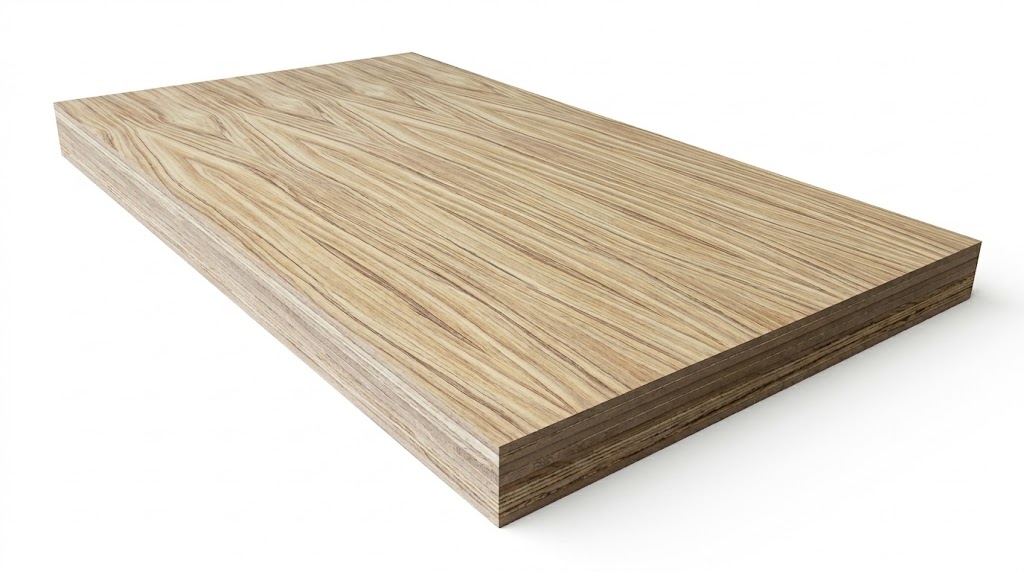
# Best Parota Plywood Supplier for Mexico: Complete Sourcing Guide for Importers and Manufacturers
Mexico’s **furniture manufacturing industry, custom millwork sector, architectural interior market, and construction industry** are experiencing unprecedented growth in demand for **parota veneered plywood**—the engineered wood panel that combines parota’s distinctive golden-brown beauty with plywood’s superior dimensional stability, cost efficiency, and fabrication advantages. For **furniture manufacturers** seeking to optimize production costs while maintaining authentic parota aesthetics, **cabinet makers** requiring consistent quality and reliable supply, **interior designers and architects** specifying materials for high-end residential and commercial projects, **construction companies** managing large-scale developments, **importers and distributors** making strategic inventory investments, and **procurement professionals** responsible for supplier selection—finding the **right parota plywood supplier** isn’t just about finding the lowest price; it’s about securing a **strategic partnership** that delivers consistent quality, reliable logistics, technical support, competitive total landed cost, and long-term supply chain stability.
The Mexican market presents unique challenges and opportunities for parota plywood sourcing. While Mexico is the **primary source of parota logs** (*Enterolobium cyclocarpum*), the country has limited large-scale plywood manufacturing infrastructure for producing **veneer-faced engineered panels**. Most parota lumber is exported as solid wood or processed domestically into solid furniture components. This creates a **sourcing paradox**: Mexico grows the raw material but must **import parota veneered plywood** from international suppliers who process Mexican parota logs into veneered panels or use alternative face veneer species with similar appearance.
Many Mexican buyers make costly mistakes by selecting suppliers based solely on **initial quoted price** without evaluating total landed cost, quality consistency, logistics reliability, minimum order requirements, payment terms, technical support, customization capabilities, or long-term partnership potential. A seemingly “cheap” supplier may create expensive problems through quality inconsistencies, shipping delays, poor packaging leading to damage, lack of technical support, limited product range, or unreliable supply.
This comprehensive guide addresses critical questions facing Mexican buyers: **Where do you actually source quality parota plywood for the Mexican market? What are the real differences between Chinese, Southeast Asian, North American, and local Mexican suppliers? How do you evaluate supplier quality beyond price quotes? What are realistic MOQs (minimum order quantities) and payment terms? How do logistics and shipping costs impact total landed cost? What quality control measures should you require? How do you build a reliable long-term supplier relationship? What are the red flags indicating problematic suppliers?**
—
## Understanding the Parota Plywood Supply Chain for Mexico
### The Sourcing Reality: Where Parota Plywood Actually Comes From
**The Mexican Paradox:**
Mexico is the **primary global source** of parota trees (also known as *guanacaste* in Central America, *elephant ear tree*, *parota*, *guanacaste negro*). The species grows naturally and is also plantation-cultivated primarily in:
**Primary Mexican Regions:**
– **Pacific Coast States:** Jalisco, Nayarit, Sinaloa, Colima
– **Southern States:** Oaxaca, Chiapas, Guerrero
– **Other Regions:** Michoacán, Veracruz
**Central American Sources:**
– Guatemala, Honduras, Nicaragua, Costa Rica
**However**, Mexico has **limited industrial-scale plywood manufacturing capacity** for producing veneer-faced decorative plywood panels. The Mexican wood industry traditionally focuses on:
✅ **Solid lumber production:** Sawmills process logs into dimensional lumber
✅ **Solid wood furniture manufacturing:** Direct fabrication from solid parota
✅ **Veneer slicing:** Some facilities produce sliced veneer for export
✅ **Local carpentry:** Artisan and small-scale woodworking
❌ **Limited large-scale plywood manufacturing:** Few facilities produce decorative hardwood plywood panels at commercial scale
**What This Means for Mexican Buyers:**
**Reality #1: Most “Parota Plywood” is Imported**
Even though the raw parota comes from Mexico, **parota veneered plywood** is typically:
1. **Manufactured in Asia** (primarily China, Vietnam, Indonesia) using:
– Mexican or Central American parota veneer (imported logs or veneer sheets)
– Look-alike species veneers with similar appearance
– Engineered core construction (hardwood plywood, MDF, blockboard)
2. **Manufactured in North America** (United States, Canada) by specialty suppliers using:
– Mexican parota veneer
– Premium core materials
– High-quality manufacturing standards
– Premium pricing tier
3. **Small-scale Mexican production** (limited availability) by:
– Boutique manufacturers
– Limited volume capacity
– Higher costs due to scale
– Often focused on domestic high-end market
**Reality #2: “Parota-Style” Plywood Options**
Because genuine parota veneered plywood has **limited supply and premium pricing**, the market offers alternatives:
**Look-Alike Species:**
– **Acacia wood plywood:** Similar golden-brown color and grain
– **Rubber wood plywood:** Lighter color but similar grain pattern
– **Mindi wood plywood:** Close color match; similar figure
– **Mixed tropical hardwoods:** Generic “golden wood” appearance
**Strategic Note:** Many suppliers market these as “parota-style” or don’t clearly specify the actual face veneer species. **Verify exact face veneer species** in specifications and contracts.
**Reality #3: Hybrid Sourcing Models**
Smart Mexican buyers often use **hybrid sourcing strategies**:
✅ **Solid parota lumber:** Source locally from Mexican sawmills (abundant, competitive pricing)
✅ **Parota veneered plywood:** Import from Asian or North American suppliers (engineered stability, large panel format)
✅ **Project-specific selection:** Choose solid or plywood based on each application’s requirements
### Primary Supplier Categories for Mexican Market
**Category 1: Chinese Manufacturers (Dominant Market Position)**
**Overview:**
China dominates global decorative plywood production and is the **most common source** for parota plywood imports to Mexico. Chinese manufacturers offer:
✅ **Massive production capacity:** Large-scale facilities producing millions of square meters annually
✅ **Competitive pricing:** Lowest cost structure in international market
✅ **Wide product range:** Multiple core types, thicknesses, grades, sizes
✅ **Established export logistics:** Experienced in international shipping and documentation
✅ **Flexibility:** Willing to customize products and negotiate terms
**Production Regions:**
**Primary Manufacturing Hubs:**
– **Shandong Province:** Linyi city—largest plywood manufacturing cluster globally
– **Jiangsu Province:** Major wood panel production
– **Guangdong Province:** Focus on furniture-grade decorative panels
– **Guangxi Province:** Tropical hardwood processing
**Typical Product Specifications:**
**Core Options:**
– **Eucalyptus core:** Most common; good stability; competitive pricing
– **Combi core:** Mixed hardwoods; economy option
– **Birch core:** Premium stability (primarily European market)
– **Poplar core:** Lightweight applications
**Face Veneer:**
– **Genuine parota veneer:** Imported from Mexico/Central America
– **Acacia veneer:** Common substitute; similar appearance; lower cost
– **”Parota-style” veneer:** Various species blends
**Standard Specifications:**
– **Sizes:** 1220x2440mm (4’x8′) standard; 1525x3050mm available
– **Thickness:** 3mm, 5mm, 6mm, 9mm, 12mm, 15mm, 18mm, 21mm, 25mm
– **Face veneer thickness:** 0.4-0.6mm standard; 0.8-1.2mm premium (price increase)
– **Construction:** 5-ply, 7-ply, 9-ply depending on thickness
– **Grades:** AA, A, B grades; multiple backing options
**Advantages for Mexican Buyers:**
✅ **Cost competitiveness:** 20-40% lower than North American suppliers typically
✅ **Large volume capacity:** Can handle container-load orders easily
✅ **Product variety:** Wide range of specifications and customization
✅ **Flexible MOQ:** Generally 1 container (20-22 CBM) minimum but negotiable
✅ **Payment terms:** LC, TT, negotiable terms for established relationships
✅ **Experience with Mexico:** Established shipping routes; familiar with Mexican customs
**Challenges and Considerations:**
⚠️ **Quality variation:** Significant quality differences between manufacturers
⚠️ **Quality control critical:** Third-party inspection highly recommended
⚠️ **Specification clarity:** Must be precise about requirements (veneer species, thickness, grade, core type)
⚠️ **Lead times:** Typically 25-35 days production + shipping (45-65 days total)
⚠️ **Communication:** Language barriers; time zone differences
⚠️ **Species authenticity:** Verify actual face veneer species—substitution common
⚠️ **Shipping logistics:** Container shipping from Chinese ports to Mexican ports
**Estimated Pricing Range (FOB China):**
– **Economy grade (B grade, thin veneer, combi core):** $8-12 per square meter
– **Standard grade (A grade, standard veneer, eucalyptus core):** $12-18 per square meter
– **Premium grade (AA grade, thick veneer, quality core):** $18-28 per square meter
*Note: Prices fluctuate with exchange rates, raw material costs, shipping rates. Always get current quotes.*
**Top Chinese Production Regions to Target:**
**Linyi City, Shandong Province:**
– **Profile:** World’s largest plywood manufacturing cluster
– **Manufacturers:** Hundreds of plywood factories from small to large
– **Advantages:** Massive capacity, competitive pricing, logistics infrastructure
– **Approach:** Work with established exporters or trading companies with quality control
– **Caution:** Quality varies dramatically—inspection essential
**Guangdong Province Manufacturers:**
– **Profile:** Focus on higher-grade furniture plywood
– **Advantages:** Better quality control; export-oriented; English capability
– **Products:** Premium decorative plywood for furniture industry
– **Pricing:** Higher than Shandong but better consistency
**Recommended Supplier Selection Approach:**
1. **Target established exporters:** Look for companies with 10+ years export experience
2. **Verify certifications:** ISO 9001, FSC/PEFC if sustainability important, CARB compliance
3. **Request references:** Get contact information for existing Mexican customers
4. **Sample evaluation:** Always order samples before container commitment
5. **Third-party inspection:** Use SGS, Bureau Veritas, or Intertek for pre-shipment inspection
6. **Start small:** Begin with one container to test quality and logistics
7. **Long-term relationship:** Once you find reliable supplier, build partnership
**Category 2: Southeast Asian Suppliers (Vietnam, Indonesia, Malaysia)**
**Overview:**
Southeast Asian countries offer **middle-ground positioning** between Chinese cost competitiveness and North American quality/service standards:
**Vietnam Suppliers:**
**Advantages:**
✅ **Quality focus:** Generally better quality control than budget Chinese suppliers
✅ **Competitive pricing:** 10-20% higher than China but still cost-effective
✅ **Tropical hardwood expertise:** Strong tradition in tropical wood processing
✅ **Production capacity:** Growing manufacturing infrastructure
✅ **Trade agreements:** Beneficial trade relationships with Americas
**Manufacturing Regions:**
– **Binh Duong Province:** Major furniture and wood panel hub near Ho Chi Minh City
– **Dong Nai Province:** Industrial wood processing
– **Ba Ria-Vung Tau:** Plywood manufacturing
**Typical Products:**
– **Acacia core plywood:** Vietnam is major acacia producer—natural synergy
– **Rubber wood core:** Abundant local supply
– **Parota face veneer options:** Import veneer for facing
– **Focus on furniture-grade:** Quality standards suitable for export furniture
**Indonesia Suppliers:**
**Advantages:**
✅ **Tropical hardwood variety:** Access to diverse species
✅ **Established industry:** Long history in plywood manufacturing
✅ **Quality materials:** Good quality tropical core materials
✅ **Export infrastructure:** Experienced in international markets
**Manufacturing Regions:**
– **Java:** Major industrial wood processing centers
– **Surabaya:** Plywood manufacturing hub
– **Semarang:** Furniture and panel production
**Malaysia Suppliers:**
**Advantages:**
✅ **High quality standards:** Generally premium quality positioning
✅ **Technical capability:** Advanced manufacturing technology
✅ **English proficiency:** Better communication than China
✅ **Certifications:** Strong focus on sustainability certifications
**Considerations:**
⚠️ **Higher pricing:** Typically 20-30% above Chinese suppliers
⚠️ **Limited parota expertise:** Less experience with parota specifically
⚠️ **Smaller production scale:** Lower volumes than major Chinese manufacturers
**Southeast Asia Overall Assessment for Mexico:**
**Best For:**
– Buyers prioritizing quality over lowest price
– Medium-volume requirements (2-5 containers monthly)
– Projects requiring better quality consistency than budget Chinese options
– Buyers seeking alternatives to China
**Estimated Pricing (FOB):**
– **Standard grade:** $15-22 per square meter
– **Premium grade:** $22-32 per square meter
**Category 3: North American Suppliers (USA, Canada)**
**Overview:**
North American suppliers represent the **premium tier** for parota plywood, offering highest quality, best service, but significant price premium:
**United States Suppliers:**
**Profile:**
– **Specialty hardwood distributors:** Focus on architectural and premium furniture market
– **Import-distribution model:** Most import from Asia, add quality control and distribution services
– **Custom manufacturing:** Some have manufacturing partners for custom specifications
– **Stock programs:** Maintain inventory for quick delivery
**Examples of Supplier Types:**
– **Architectural plywood distributors:** Columbia Forest Products, Roseburg, States Industries, etc.
– **Hardwood plywood specialists:** Particularly those serving furniture/cabinet industry
– **Custom veneer houses:** Can produce custom parota plywood panels
**Advantages for Mexican Buyers:**
✅ **Quality assurance:** Rigorous quality standards and inspection
✅ **Technical support:** Excellent technical assistance and specification guidance
✅ **Quick delivery:** Stock programs enable faster delivery than Asia
✅ **Small quantities:** Will sell smaller quantities than container loads
✅ **Returns/service:** Better recourse for quality issues
✅ **USMCA benefits:** Trade agreement advantages for Mexico
✅ **English communication:** No language barriers
✅ **Geographic proximity:** Shorter shipping distances from US warehouses
**Challenges:**
⚠️ **Premium pricing:** Typically 50-100% higher than direct Chinese import
⚠️ **Limited parota availability:** Parota not mainstream species in North America
⚠️ **MOQ on custom products:** Custom parota orders may have significant minimums
⚠️ **Import duties:** Consider duty structure vs direct import
**Best For:**
– High-end furniture manufacturers prioritizing quality over cost
– Small-volume buyers who can’t meet container minimums
– Projects requiring fast turnaround
– Buyers needing extensive technical support
– Premium architectural millwork applications
**Canadian Suppliers:**
Similar profile to US suppliers with additional advantages:
– Strong sustainable forestry tradition
– High manufacturing standards
– Geographic proximity for northern Mexico
**Estimated Pricing (Delivered Mexico):**
– **Standard grade:** $30-45 per square meter
– **Premium grade:** $45-70+ per square meter
**Category 4: Mexican Domestic Suppliers (Limited but Growing)**
**Overview:**
Small-scale Mexican parota plywood production exists but **limited availability**:
**Domestic Production:**
**Characteristics:**
– **Boutique manufacturers:** Small-scale operations
– **Limited capacity:** Cannot serve large-volume requirements
– **Premium positioning:** Focus on high-end domestic market
– **Artisan quality:** Often excellent quality but limited scale
**Advantages:**
✅ **Local supply:** No import logistics or customs
✅ **Quick delivery:** No international shipping delays
✅ **Direct communication:** Spanish language, cultural familiarity
✅ **Authentic parota:** Using local parota veneer
✅ **Flexibility:** More willing to do small custom orders
✅ **Support local industry:** Contribute to Mexican manufacturing
**Challenges:**
⚠️ **Limited availability:** Very small production volumes
⚠️ **Higher pricing:** Scale disadvantages vs Asian manufacturing
⚠️ **Limited specifications:** Fewer options for core types, sizes, thicknesses
⚠️ **Supply inconsistency:** May not maintain consistent stock
⚠️ **Quality variation:** Smaller operations may have less consistent quality control
**Mexican Import Distributors:**
**Business Model:**
– Import container loads from Asia (primarily China)
– Maintain local inventory in Mexico
– Sell to local furniture manufacturers and builders
– Add margin but provide local service
**Advantages:**
✅ **Local inventory:** Stock available for inspection before purchase
✅ **Smaller quantities:** Buy what you need vs container loads
✅ **Spanish language:** Communication ease
✅ **Local payment terms:** Peso transactions, familiar payment methods
✅ **Faster delivery
Comments