
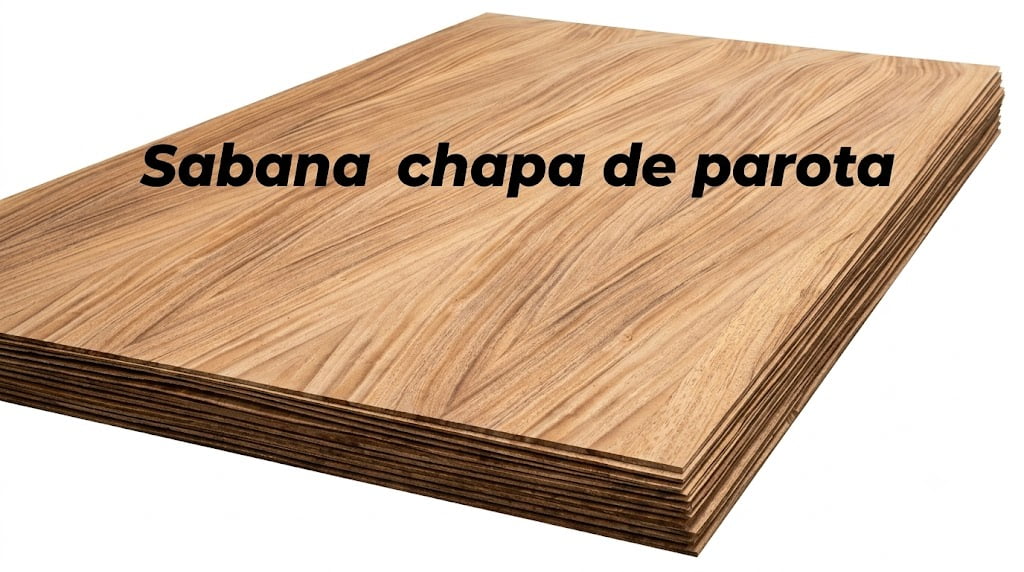
How to Choose High-Quality Parota Veneer for Furniture Manufacturing
In the world of exotic hardwoods, few species command attention quite like parota veneer. Walk through any high-end furniture showroom or contemporary design expo, and you’ll likely encounter the dramatic swirls and rich chocolate tones of this stunning material—often as the centerpiece of statement dining tables or executive desks that command premium prices. Yet despite its growing popularity among custom furniture makers and interior designers, parota remains one of the most misunderstood and inconsistently sourced exotic veneers on the market.
The challenge with parota veneer isn’t just finding a supplier—it’s finding one who understands the unique characteristics of this temperamental wood and can deliver the consistency required for furniture manufacturing. Unlike more predictable species like oak or walnut, parota exhibits extreme natural variation in color, grain, and figure. What appears stunning in a small sample may prove impossible to match across a production run. Add to this the species’ reputation for drying issues and stability problems, and selecting high-quality parota veneer becomes as much art as science.
As a specialty exotic veneer manufacturer and supplier serving custom furniture makers, luxury hospitality projects, and boutique interior designers throughout North America and beyond, we’ve spent years perfecting the sourcing, processing, and quality control required to deliver consistent parota veneer. This comprehensive guide shares the insider knowledge you need to evaluate suppliers, identify quality indicators, and specify parota veneer with confidence—whether you’re creating one-of-a-kind statement pieces or managing larger production runs.
- What is Parota Veneer?
- Visual Characteristics of Parota Veneer
- Quality Indicators: What to Look For
- Parota Veneer vs Solid Parota Wood
- Applications in Furniture Manufacturing
- Parota Veneer Plywood Construction
- Quality Grades and Standards
- Finishing Parota Veneer
- Sustainability and Responsible Sourcing
- Supplier Selection Guide
- Frequently Asked Questions
What is Parota Veneer?
Parota Species Background
Parota veneer is produced from Enterolobium cyclocarpum, a spectacular tropical hardwood tree native to Mexico and Central America. Known by various common names—including guanacaste, monkey ear tree, and elephant ear tree—parota has emerged as one of the most sought-after exotic woods for contemporary furniture design, prized for its dramatic grain patterns and rich coloration.
Botanical Information:
- Scientific name: Enterolobium cyclocarpum
- Family: Fabaceae (legume/pea family)
- Common names: Parota, guanacaste, monkey ear tree, elephant ear tree, caro caro
- Tree characteristics: Large deciduous tree; can reach 100-130 feet tall with trunk diameters exceeding 10 feet
- Crown spread: Massive spreading canopy; often wider than height
- Growth rate: Fast-growing for a hardwood; reaches maturity in 40-60 years
Wood Properties:
- Hardness: Janka hardness approximately 1,100 lbf (medium hardness)
- Density: 35-40 lbs/ft³ (lightweight to medium weight)
- Texture: Medium to coarse texture with open pores
- Grain: Interlocked, wavy, highly variable
- Workability: Moderate; grain can be challenging to plane smoothly
- Durability: Moderate natural durability; resistant to insect attack
- Stability: Can be problematic if not properly dried; prone to movement
The name “parota” is most commonly used in Mexico (particularly along the Pacific coast where the finest specimens grow), while “guanacaste” is the preferred term in Central America. Both names refer to the same species, which has become increasingly popular in North American furniture markets over the past decade.
Geographic Origins and Availability
Understanding where and how parota veneer is sourced directly impacts quality, availability, and sustainability:
Primary Growing Regions:
- Mexico: Pacific coastal regions (Jalisco, Nayarit, Sinaloa, Michoacán); produces the most prized material with rich color and dramatic figure
- Central America: Costa Rica (national tree), Guatemala, Honduras, El Salvador, Nicaragua
- South America: Limited distribution in northern regions; less commercially important
- Climate requirements: Tropical and subtropical zones; requires seasonal rainfall patterns
Harvest and Processing Centers:
- Mexican sawmills: Guadalajara region; specialized in parota processing for export
- Central American facilities: Costa Rica and Guatemala for guanacaste processing
- Quality variation: Mexican Pacific coast material generally considered highest quality for color and figure
- Seasonal factors: Harvest timing affects color and drying characteristics
Market Availability:
- Supply status: Moderate availability; significantly less common than traditional hardwoods
- Large slabs: Tree size allows production of exceptionally wide veneer sheets and solid slabs
- Demand pressure: Increasing popularity has strained consistent supply
- Price positioning: Premium exotic veneer; higher cost than domestic hardwoods
- Lead times: Often longer than standard veneers due to sourcing and processing requirements
The combination of limited geographic range, increasing demand, and processing challenges makes sourcing consistent high-quality parota veneer more complex than working with widely available species like oak or maple.
Why Parota is Prized for Furniture
Parota wood veneer has captured the attention of furniture designers and manufacturers for several compelling reasons:
Dramatic Visual Impact:
- Unique character: No two pieces look alike; each panel exhibits distinctive grain patterns
- Bold grain: Swirling, interlocked patterns create dynamic visual movement
- Rich color: Deep golden browns to dark chocolate tones with natural depth
- Statement quality: Naturally commands attention as a focal point
- Live edge aesthetic: Natural edge characteristics highly prized in contemporary design
Design Versatility:
- Contemporary appeal: Fits modern, minimalist design with organic warmth
- Rustic-modern bridge: Works equally well in rustic and refined settings
- Luxury positioning: Exotic pedigree elevates perceived value
- Complementary neutral: Rich browns coordinate with various color palettes
Practical Advantages:
- Large format capability: Wide trunk diameter allows production of exceptionally wide panels without seams
- Workability: Despite grain challenges, responds well to proper tooling and finishing
- Lightweight: Lower density than many hardwoods; reduces shipping costs and panel weight
- Finishing beauty: Accepts clear finishes and oils beautifully; natural beauty requires minimal enhancement
Market Positioning:
- Exotic appeal: Mexican/Central American origins add story and authenticity
- Premium pricing justification: Rarity and beauty support higher retail prices
- Differentiation: Stands out in crowded furniture markets
- Instagram-worthy: Highly photogenic; generates social media engagement
These factors have made parota veneer for furniture increasingly popular among custom furniture makers, boutique manufacturers, and designers creating statement pieces for residential and hospitality projects.
Comments