
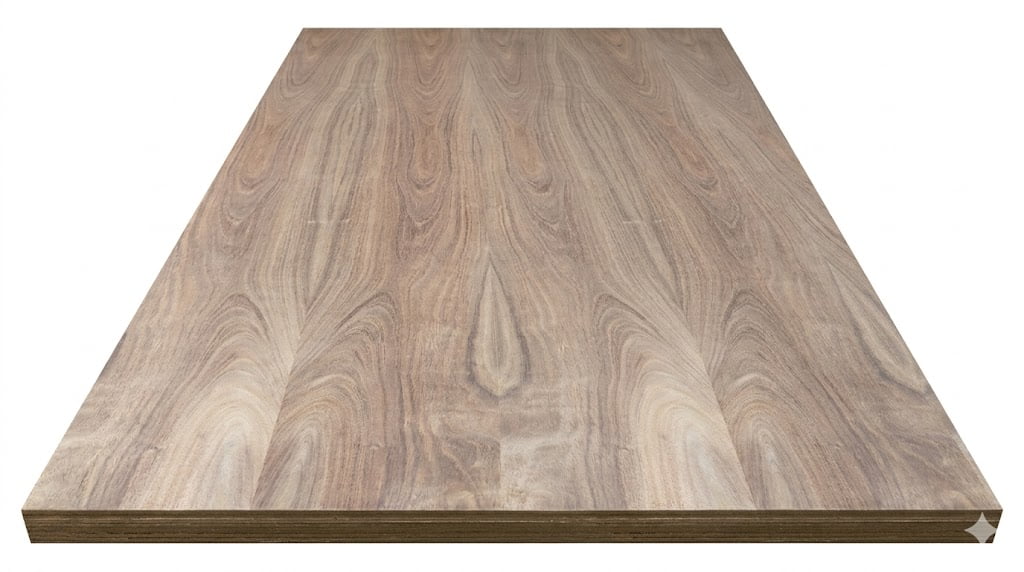
# Ultimate Guide to Tzalam Plywood: Features, Uses & Benefits
In the world of exotic wood products, few species capture the imagination of furniture makers, architects, and discerning importers quite like tzalam. Known for its striking appearance, exceptional durability, and unique character, tzalam plywood has emerged as a premium choice for high-end furniture manufacturing, architectural millwork, and luxury interior design projects across North America, Europe, and increasingly, global markets.
For importers, distributors, and furniture manufacturers seeking to differentiate their product lines with distinctive, high-value materials, understanding tzalam plywood’s characteristics, applications, and sourcing considerations is essential. This comprehensive guide provides the technical knowledge and practical insights needed to evaluate suppliers, specify quality standards, and capitalize on the growing demand for this remarkable tropical hardwood.
Whether you’re considering adding tzalam to your product portfolio, evaluating suppliers for the first time, or looking to optimize your sourcing strategy, this guide will equip you with everything you need to make informed decisions and deliver exceptional products to your customers.
## What Is Tzalam Wood?
Tzalam (Lysiloma latisiliquum), also known as false tamarind, Caribbean walnut, or sábalo in various regions, is a tropical hardwood native to Central America, Mexico’s Yucatan Peninsula, and parts of the Caribbean. In the international timber trade, it’s gaining recognition as one of the most visually distinctive and technically superior alternatives to traditional expensive species like walnut and teak.
### Botanical and Regional Context
**Natural Habitat:**
– Primary range: Mexico (Quintana Roo, Campeche, Yucatan)
– Secondary distribution: Belize, Guatemala, Honduras
– Growing conditions: Tropical and subtropical forests
– Tree characteristics: Medium to large size, reaching 20-30 meters
– Sustainability status: Not listed as endangered; responsibly harvested from managed forests
**Commercial Names:**
– Tzalam (Mexico, most common)
– Caribbean Walnut (international trade)
– False Tamarind (English botanical)
– Sábalo (Central America)
– Yaga-guichá (indigenous Zapotec)
Understanding regional naming variations helps when communicating with international suppliers and verifying species authenticity.
## Distinctive Characteristics of Tzalam Wood
### Visual Appearance: Natural Elegance
**Color Profile**
Tzalam presents one of the most beautiful and variable color palettes in tropical hardwoods:
**Heartwood:**
– Rich golden brown to reddish-brown base tones
– Warm honey-colored highlights
– Medium brown with orange undertones
– Occasional darker brown to near-black streaking
– Colors deepen and enrich with age and exposure to light
**Sapwood:**
– Cream to pale yellow
– Clearly demarcated from heartwood
– Typically removed in quality plywood face veneers
– Sometimes incorporated for artistic contrast effects
**The Tzalam Advantage:** Unlike many tropical woods that fade over time, tzalam typically darkens and becomes richer with age, similar to cherry or teak, adding long-term value to finished products.
**Grain Patterns and Figure**
Tzalam’s grain characteristics create visual interest without overwhelming design:
**Typical Grain:**
– Generally straight to slightly interlocked
– Medium to coarse texture
– Visible pores creating natural character
– Occasional irregular or wavy patterns add uniqueness
**Special Figures (in select cuts):**
– Ribbon stripe in quarter-sawn sections
– Mottled figure in certain log sections
– Occasional burled or spalted wood (premium pricing)
– Natural color variations creating organic patterns
**Visual Comparison:**
– Resembles Black Walnut but warmer and more golden
– Similar richness to Teak but more varied in color
– Character comparable to Mahogany with enhanced figure
– More distinctive than Cherry with similar color development
### Physical and Mechanical Properties
Understanding tzalam’s technical specifications helps in proper application and product design:
**Density and Weight**
– Average air-dried density: 800-900 kg/m³ (50-56 lbs/ft³)
– Classification: Medium-hard to hard
– Janka Hardness: Approximately 1,330 lbf (5,916 N)
– Comparison: Harder than Black Walnut (1,010 lbf), softer than White Oak (1,360 lbf)
**Practical Implications:**
– Substantial feel that communicates quality to customers
– Excellent durability for furniture and high-traffic applications
– Sufficient hardness without being difficult to machine
– Good balance between workability and wear resistance
**Dimensional Stability**
Critical for plywood performance:
**Volumetric Shrinkage:** 10-12% (green to oven-dry)
– Radial shrinkage: 4.5-5.5%
– Tangential shrinkage: 6.5-8.0%
– T/R Ratio: Approximately 1.5
**What This Means:**
– Moderate stability (good for tropical hardwood)
– Plywood construction significantly improves dimensional behavior
– Performs well in varying humidity environments
– Less prone to warping than solid wood alternatives
**Durability and Resistance**
**Natural Decay Resistance:** Rated as durable
– Heartwood resistant to fungal decay
– Moderate resistance to insect attack
– Suitable for interior applications without treatment
– Can be used in protected exterior applications with proper finishing
**Weather Resistance:**
– UV stability: Good (colors deepen rather than fade)
– Moisture tolerance: Moderate (appropriate sealing required)
– Splitting resistance: Good when properly dried
### Working Properties
For furniture manufacturers and millwork shops, tzalam offers excellent machining characteristics:
**Sawing and Machining**
– Cuts cleanly with carbide-tipped blades
– Slight dulling effect on cutting edges (moderate)
– Produces smooth surfaces with sharp tools
– Minimal tear-out when properly machined
**Sanding**
– Sands to an excellent smooth finish
– Requires proper dust extraction (can be slightly oily)
– Accepts sanding through progressive grits well
– Minimal fuzzing or grain raising
**Gluing and Joinery**
– Glues well with standard wood adhesives
– Good mechanical fastening properties
– Holds screws and nails securely
– Suitable for all traditional joinery techniques
**Finishing**
– Accepts stains beautifully (though natural color usually preferred)
– Excellent penetration with oil-based finishes
– Takes lacquer, polyurethane, and wax finishes well
– Natural oils enhance figure and depth
– Clear finishes recommended to showcase natural beauty
**Turning and Carving**
– Turns excellently on lathe with clean results
– Suitable for detailed carving work
– Holds fine detail without chipping
– Polishes to high natural luster
## Tzalam Plywood Construction
Understanding how tzalam plywood is manufactured helps in quality evaluation and specification:
### Veneer Production
**Slicing Methods:**
**Rotary Cut (Most Common)**
– Log rotated against stationary blade
– Produces continuous veneer sheets
– Wider grain pattern appearance
– Most economical production method
– Typical for commercial-grade plywood
**Flat Slicing (Premium)**
– Log section sliced parallel to grain
– Creates more traditional grain appearance
– Allows for book matching and slip matching
– Higher cost but superior aesthetics
– Preferred for high-end furniture applications
**Quarter Slicing (Specialty)**
– Log quartered and sliced perpendicular to growth rings
– Produces straight grain with ribbon figure
– Most stable veneer cut
– Premium pricing
– Limited availability
**Veneer Thickness Standards:**
– Face veneer: 0.3-0.6mm (premium: 0.5mm+)
– Back veneer: 0.3-0.5mm
– Core veneers: 1.2-2.0mm (varies by core type)
### Core Material Options
The substrate underneath tzalam face veneer significantly impacts performance and cost:
**Hardwood Core (Eucalyptus, Birch, Mixed Hardwood)**
**Advantages:**
– Superior structural strength
– Excellent screw-holding capacity
– Best for furniture requiring joinery and hardware
– Premium feel and performance
– Most durable for commercial applications
**Best Applications:**
– Dining tables and executive desks
– Cabinet construction and shelving
– Architectural millwork with structural demands
– High-traffic commercial furniture
– Applications requiring edge machining and profiling
**Cost Premium:** 30-45% over poplar core
**Poplar Core**
**Advantages:**
– Optimal cost-to-performance ratio
– Lightweight for easier handling and reduced shipping
– Adequate strength for most furniture applications
– Good dimensional stability
**Best Applications:**
– Residential furniture (bedroom sets, entertainment centers)
– Kitchen and bathroom cabinetry
– Interior doors and decorative panels
– Wall paneling and wainscoting
– Applications where weight is a consideration
**Market Position:** Standard for mid-to-high-end furniture
**MDF Core**
**Advantages:**
– Perfectly flat and smooth substrate
– No voids or imperfections telegraphing through veneer
– Excellent for CNC routing and precision work
– Consistent density throughout
– Ideal for painted or heavily finished applications
**Disadvantages:**
– Significantly heavier (affects shipping costs)
– Lower screw-holding capacity than wood cores
– Vulnerable to moisture damage if not properly sealed
– Edges require special treatment
**Best Applications:**
– Cabinet doors with decorative routing
– Architectural panels with CNC patterns
– Display fixtures and retail millwork
– Components with tight dimensional tolerances
– Surfaces receiving additional lamination
**Combination Core**
**Configuration:**
– Outer layers: Hardwood for better bonding and surface quality
– Inner layers: Poplar for weight reduction
– Balance between performance and cost
**Applications:**
– Premium furniture at competitive price points
– Projects requiring balance of strength and weight
– Large panels where pure hardwood core would be too heavy
### Adhesive Systems
Adhesive quality affects both performance and regulatory compliance:
**E0/CARB P2 Compliant (Ultra-Low Formaldehyde)**
**Specifications:**
– Formaldehyde emissions ≤ 0.05 ppm (E0)
– CARB Phase 2 compliant (required for California)
– NAF (No Added Formaldehyde) options available
**Required Markets:**
– United States (especially California)
– European Union
– Japan and South Korea
– Canada (increasingly strict)
– Projects with green building certifications (LEED, WELL)
**Cost Impact:** 10-18% premium over E1
**E1 Standard**
**Specifications:**
– Formaldehyde emissions ≤ 0.12 ppm
– Meets most international standards
– Acceptable in majority of global markets
**Suitable Markets:**
– Latin America
– Middle East
– Southeast Asia
– Non-residential commercial projects
– Budget-conscious applications
**WBP (Weather and Boil Proof) Phenolic**
**Specifications:**
– Waterproof phenolic resin adhesive
– Withstands prolonged moisture exposure
– Dark brown glue lines (visible at edges)
– Higher bond strength than standard adhesives
**Applications:**
– Bathroom and kitchen furniture
– Marine and boat building applications
– Exterior applications (covered/protected)
– Tropical climates with high humidity
– Products requiring maximum durability
**Important:** Always request third-party laboratory certificates verifying adhesive emissions. Don’t rely solely on supplier claims.
## Primary Applications and Uses
Tzalam plywood’s unique combination of beauty, durability, and workability makes it suitable for diverse high-value applications:
### High-End Furniture Manufacturing
**Residential Furniture**
**Living Room:**
– Coffee tables and end tables
– Entertainment centers and media consoles
– Bookshelves and display cabinets
– Accent pieces and decorative furniture
– Side tables and console tables
**Dining Room:**
– Dining table tops (with hardwood core for stability)
– Buffets and credenzas
– China cabinets and hutches
– Serving carts and bar cabinets
**Bedroom:**
– Bed frames and headboards
– Dressers and chest of drawers
– Nightstands and bedside tables
– Armoires and wardrobes
– Vanities and makeup tables
**Home Office:**
– Executive desks and writing tables
– Credenzas and filing cabinets
– Bookshelves and library units
– Conference tables for home use
**Design Advantage:** Tzalam’s warm, sophisticated appearance positions furniture in the premium segment, justifying 30-50% price premium over standard hardwoods.
### Architectural Millwork
**Interior Applications**
**Wall Treatments:**
– Feature walls and accent panels
– Wainscoting and decorative paneling
– Column wraps and architectural details
– Elevator interiors and lobby paneling
**Commercial Spaces:**
– Reception desks and check-in counters
– Restaurant booth dividers and tables
– Hotel lobby furniture and fixtures
– Retail display systems and fixtures
– Office conference room paneling
**Residential Built-Ins:**
– Custom kitchen cabinetry (facing)
– Entertainment center built-ins
– Home library installations
– Window seats and benching
– Closet systems (luxury applications)
**Case Study Example:** A luxury hotel chain specified book-matched tzalam plywood for lobby wall paneling across three properties. The distinctive grain pattern and warm color became a signature design element, photographed extensively for marketing materials. The durability has proven excellent over five years of high-traffic use.
### Doors and Specialty Products
**Interior Doors**
**Premium Door Construction:**
– Solid core with tzalam veneer faces
– Book-matched patterns for visual impact
– Standard and custom sizes
– Suitable for residential and commercial applications
**Advantages Over Other Materials:**
– More affordable than solid tzalam doors
– Better dimensional stability
– Consistent appearance across door sets
– Lighter weight for easier installation
**Cabinet and Furniture Doors**
– Kitchen cabinet doors (flat panel or raised panel)
– Bathroom vanity doors
– Entertainment center doors
– Built-in furniture doors
– Display cabinet glass-door frames
**Specialty Items**
**Decorative Panels:**
– Ceiling panels and coffers
– Acoustic panels (perforated with backing)
– Room dividers and screens
– Decorative wall art and sculptures
**Architectural Elements:**
– Stair treads and risers (with proper edge treatment)
– Handrails and balustrades (components)
– Window sills and trim pieces
– Custom moldings and trim
### Retail and Commercial Fixtures
**Store Fixtures:**
– Display tables and platforms
– Shelving units and gondolas
– Checkout counters and service desks
– Fitting room benches and seating
**Hospitality:**
– Restaurant table tops
– Bar fronts and back bars
– Hostess stands and podiums
– Hotel furniture packages
**Office Environments:**
– Executive office furniture
– Conference room tables
– Reception area furniture
– Private office built-ins
## Benefits of Choosing Tzalam Plywood
Understanding the advantages helps in positioning products and justifying premium pricing:
### Aesthetic Excellence
**Visual Distinction**
– Exotic appearance that stands out in crowded markets
– Natural beauty requires minimal finishing (cost savings in production)
– Color deepens over time (improving with age, unlike many woods)
– Unique character in every piece (perceived value)
**Design Versatility**
– Complements both traditional and contemporary styles
– Works well with various design aesthetics
– Pairs beautifully with metals, glass, and stone
– Suitable for minimalist or ornate designs
**Marketing Advantage**
– “Exotic hardwood” positioning without exotic pricing
– Story value (Central American origin, sustainable harvesting)
– Photogenic for catalogs and online marketing
– Differentiates from standard oak, maple, cherry offerings
### Technical Performance
**Durability for Commercial Use**
– Janka hardness suitable for high-traffic applications
– Scratch and dent resistance superior to softer hardwoods
– Maintains appearance with normal use and care
– Long service life justifies investment
**Dimensional Stability**
– Plywood construction minimizes wood movement issues
– Suitable for varying humidity environments
– Less warranty claims than solid wood alternatives
– Performs well in both heated and air-conditioned spaces
**Workability**
– Machines cleanly with standard woodworking equipment
– Doesn’t require specialized tools or techniques
– Accepts all common joinery methods
– Efficient to work with (labor cost savings)
### Economic Considerations
**Cost Positioning**
**Competitive Advantages:**
– Significantly less expensive than genuine Teak or Rosewood
– Comparable or slightly higher than Black Walnut
– Premium appearance at mid-to-high-end pricing
– Strong value proposition for customers
**Typical Pricing (FOB China, subject to market fluctuations):**
– 12mm tzalam plywood, E1, hardwood core: $28-36/sheet
– 18mm tzalam plywood, E0, hardwood core: $42-52/sheet
– 18mm tzalam plywood, E0, poplar core: $35-45/sheet
**Note:** Prices vary based on veneer quality, core type, volume, and market conditions. Always request current quotes
Comments