
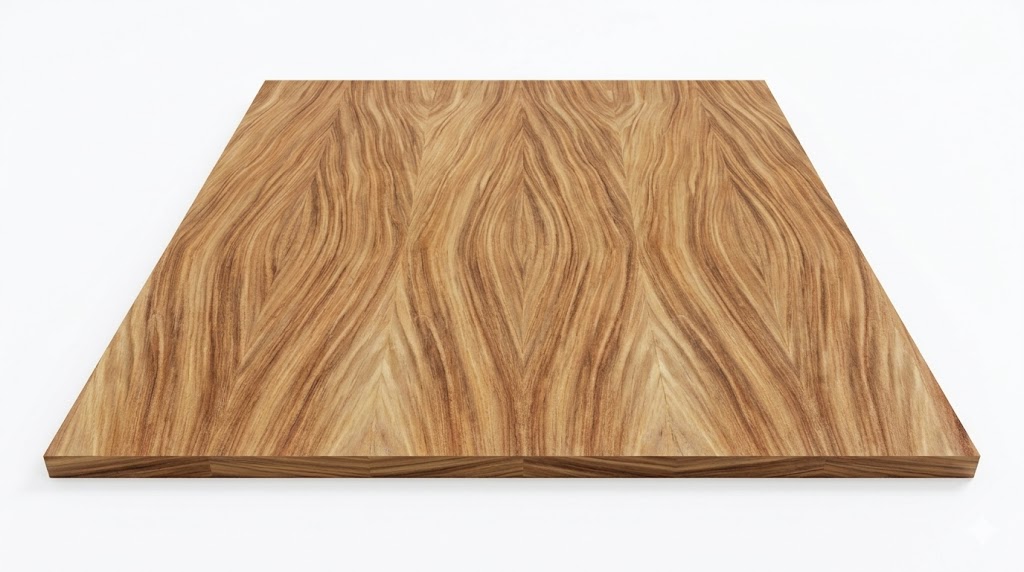
# Parota Plywood for Mexico Market: Complete Guide to Sizes, Grades & Emerging Trends
## Introduction
The Mexican wood panel market is experiencing a remarkable transformation, with **Parota plywood** emerging as one of the most sought-after materials for furniture manufacturers, interior designers, and construction companies across the country. From Guadalajara’s thriving furniture workshops to Mexico City’s high-end residential projects, Parota plywood has become synonymous with quality, beauty, and versatility.
But here’s the challenge: Not all Parota plywood meets the exacting standards of Mexican buyers. Importers and distributors face critical decisions about specifications, sourcing, and quality control that directly impact their market success and profit margins.
Whether you’re a seasoned importer in Monterrey, a furniture manufacturer in Querétaro, or a distributor exploring opportunities in the Mexican market, understanding the nuances of Parota plywood specifications, grading systems, and market trends is essential for competitive advantage.
This comprehensive guide reveals everything you need to know about sourcing premium Parota plywood for the Mexican market, including standard sizes, quality grades, pricing factors, and the trends shaping future demand.
—
## Understanding Parota Wood and Its Market Appeal in Mexico
### What Makes Parota Special?
Parota (Enterolobium cyclocarpum), also known as Guanacaste or Elephant Ear tree, is a tropical hardwood native to Central and South America. When manufactured into plywood, it offers unique characteristics that Mexican buyers highly value:
**Visual Appeal:**
– Rich, warm brown tones with natural grain patterns
– Distinctive figure and character markings
– Color variation from light tan to deep chocolate brown
– Natural rustic beauty that appeals to contemporary design trends
**Technical Properties:**
– Moderate density (approximately 450-550 kg/m³)
– Good workability for cutting, routing, and finishing
– Excellent stability when properly manufactured
– Takes stains and finishes beautifully
**Cultural Resonance:**
– Native to Mexico and Central America
– Connects with growing “hecho en México” (made in Mexico) sentiment
– Authentic regional aesthetic
– Sustainable when properly sourced
### Why Mexican Markets Demand Parota Plywood
**1. Furniture Manufacturing Boom**
Mexico’s furniture industry has grown significantly, driven by:
– Expanding middle class with higher purchasing power
– U.S. nearshoring trends bringing manufacturing to Mexico
– Growing export market to United States and Canada
– Preference for natural wood aesthetics over synthetic alternatives
**2. Residential and Commercial Construction Growth**
Key drivers include:
– Urban development in major metropolitan areas
– Boutique hotel and restaurant interior design projects
– Residential remodeling and upgrade trends
– Demand for warm, natural interior finishes
**3. Design Trend Alignment**
Parota perfectly matches current Mexican design preferences:
– Rustic-modern fusion aesthetics
– Natural, organic materials
– Warm color palettes
– Artisanal and handcrafted appeal
—
## Standard Sizes for Mexican Market: What Buyers Actually Need
### Most Common Panel Dimensions
Understanding regional size preferences prevents costly mistakes:
#### **Primary Standard Sizes**
**1. 1220mm x 2440mm (4′ x 8′)**
– **Market share:** ~70% of Mexican demand
– **Why dominant:** Alignment with U.S. standards
– **Best for:** Furniture panels, cabinetry, general workshop use
– **Availability:** Readily available from most suppliers
**2. 1250mm x 2500mm (European metric)**
– **Market share:** ~15% of demand
– **Applications:** Larger panel requirements, commercial projects
– **Advantage:** Less material waste for certain applications
– **Note:** Premium pricing due to less common production
**3. 915mm x 1830mm (3′ x 6′)**
– **Market share:** ~10% of demand
– **Use cases:** Smaller furniture components, craft applications
– **Benefit:** Easier handling, reduced cutting waste
– **Pricing:** Often proportionally more expensive per square meter
**4. Custom Sizes**
– **Market share:** ~5% (growing)
– **Trend:** Increasing demand from specialized manufacturers
– **Examples:** 1220mm x 1830mm, 1525mm x 2440mm
– **MOQ considerations:** Usually require full container orders
### Thickness Specifications Most in Demand
Mexican market preferences by application:
| Thickness | Primary Applications | Market Demand |
|———–|———————|—————|
| **3mm** | Drawer bottoms, backing panels | Moderate |
| **4mm** | Cabinet backs, decorative panels | High |
| **6mm** | Furniture components, wall panels | Very High |
| **9mm** | Shelving, light furniture | High |
| **12mm** | Cabinet sides, furniture panels | Very High |
| **15mm** | Table tops, heavy furniture | High |
| **18mm** | Standard furniture construction | Very High |
| **21mm** | Heavy-duty furniture, workbenches | Moderate |
| **25mm** | Specialized industrial applications | Low |
**Pro Tip:** The 12mm, 15mm, and 18mm thicknesses represent approximately 60% of total Mexican Parota plywood demand.
### Tolerance Standards Expected
Mexican buyers increasingly demand precision:
**Thickness Tolerance:**
– **Standard acceptable:** ±0.5mm
– **Premium grade:** ±0.3mm
– **High-end furniture:** ±0.2mm (for lamination matching)
**Length/Width Tolerance:**
– Standard: ±3mm on length and width
– Squareness: Diagonal difference ≤2mm
**Why precision matters:**
– Modern CNC machinery requires consistent thickness
– Reduces material waste in production
– Critical for edge banding applications
– Impacts stacking and storage efficiency
—
## Grading System: Decoding Quality Standards for Mexican Buyers
### Face and Back Grade Classifications
Unlike traditional plywood grading, Parota plywood quality assessment focuses on natural wood characteristics:
#### **Grade A (Premium Select)**
**Face Characteristics:**
– Uniform color and grain pattern
– Minimal to no knots (pin knots ≤6mm acceptable)
– No splits, cracks, or open defects
– Smooth surface, minimal sanding required
– Tight grain consistency
**Best for:**
– High-end furniture visible surfaces
– Boutique hotel and restaurant interiors
– Premium cabinetry
– Retail display fixtures
**Market pricing:** Premium 40-60% above Grade B
#### **Grade AB (Select Natural)**
**Face Characteristics:**
– Good color uniformity with character variation
– Small sound knots (≤15mm) acceptable
– Minor color variation permissible
– Tight, natural appearance
– May include small filled repairs
**Best for:**
– Quality furniture manufacturing
– Residential cabinetry
– Commercial millwork
– Interior doors and panels
**Market positioning:** Most popular grade for Mexican market (60% share)
#### **Grade B (Natural Rustic)**
**Face Characteristics:**
– Sound knots up to 25mm acceptable
– Natural color variation embraced
– May include mineral streaks
– Small splits and checks permissible if filled
– Authentic rustic character
**Best for:**
– Rustic furniture designs
– Feature walls and accent panels
– Budget-conscious quality projects
– Applications where character is desired
**Pricing advantage:** 20-30% below Grade AB
#### **Grade C (Industrial/Utility)**
**Face Characteristics:**
– Larger knots and natural defects acceptable
– Significant color variation
– May include patches and repairs
– Structural integrity maintained
– Aesthetic concerns secondary
**Best for:**
– Non-visible furniture components
– Structural elements
– Packaging and crating
– Underlayment applications
**Cost savings:** 40-50% below Grade AB
### Core Quality Classifications
The core significantly impacts performance and price:
#### **Full Parota Core**
– **Construction:** All Parota wood veneer layers
– **Advantages:** Consistent density, best screw-holding, uniform appearance on edges
– **Price premium:** Highest cost option
– **Best for:** Exposed edge applications, premium furniture
#### **Parota Face + Hardwood Core**
– **Construction:** Parota faces with Eucalyptus, Poplar, or mixed hardwood core
– **Advantages:** Cost-effective, good performance, lighter weight
– **Price point:** Mid-range (standard offering)
– **Best for:** Most furniture and cabinetry applications
– **Note:** Ensure core species are clearly specified
#### **Parota Face + Softwood Core**
– **Construction:** Parota faces with Pine or similar softwood core
– **Advantages:** Lightweight, economical
– **Limitations:** Lower screw-holding capacity, less durable
– **Price benefit:** 15-25% cost reduction
– **Best for:** Budget applications, non-structural elements
**Red Flag Warning:** Some suppliers may use mixed or inferior core materials without disclosure. Always specify core composition in purchase orders.
### Veneer Thickness Standards
Face veneer thickness impacts durability and refinishing potential:
– **Premium grade:** 0.6-0.8mm face veneer
– **Standard grade:** 0.4-0.5mm face veneer
– **Economy grade:** 0.3mm or thinner (risk of sanding through)
**Mexican market preference:** 0.5-0.6mm minimum for furniture applications
—
## Moisture Content: Critical for Mexican Climate Zones
### Regional Moisture Requirements
Mexico’s diverse climate zones demand different specifications:
#### **Coastal and Humid Regions** (Cancún, Veracruz, coastal areas)
– **Target moisture content:** 10-12%
– **Glue requirement:** WBP (Water and Boil Proof) essential
– **Challenges:** High humidity, salt air exposure
– **Protective measures:** UV and moisture-resistant finishes recommended
#### **Central Highlands** (Mexico City, Guadalajara, Querétaro)
– **Target moisture content:** 8-10%
– **Glue requirement:** MR (Moisture Resistant) acceptable for indoor use
– **Climate:** Moderate, relatively stable
– **Standard choice:** Most balanced specification for general market
#### **Northern Arid Regions** (Monterrey, Chihuahua, Tijuana)
– **Target moisture content:** 6-8%
– **Consideration:** Prevent over-drying that causes brittleness
– **Challenge:** Extreme temperature fluctuations
– **Best practice:** Climate-controlled warehousing after import
### Moisture Content Testing
**Quality control measures:**
1. Pin-type moisture meter readings at multiple panel points
2. Testing at least 10% of shipment randomly
3. Recording results for documentation
4. Rejecting shipments outside ±2% tolerance
**Consequence of incorrect moisture:**
– Warping and cupping in panels
– Cracking along grain lines
– Joint failures in finished products
– Customer complaints and returns
—
## Glue and Formaldehyde Standards for Mexican Market
### Adhesive Classifications
#### **WBP (Water and Boil Proof) – Phenolic Resin**
– **Standard:** BS 1088, EN 314-2 Class 3
– **Performance:** Exterior grade, marine quality
– **Applications:** Outdoor furniture, coastal climates, high-moisture environments
– **Market demand:** Growing (25% of Parota plywood imports)
– **Price premium:** 8-15% above MR grade
#### **MR (Moisture Resistant) – Melamine/Urea Resin**
– **Standard:** EN 314-2 Class 2
– **Performance:** Interior with occasional moisture exposure
– **Applications:** Kitchen cabinetry, furniture, interior millwork
– **Market share:** Dominant (65% of demand)
– **Cost:** Standard baseline pricing
#### **Interior Grade – Urea Resin**
– **Standard:** Dry indoor use only
– **Performance:** Not recommended for Mexican climate
– **Market reality:** Very limited demand (10%)
– **Risk:** Delamination in moisture exposure
**Recommendation:** Specify minimum MR grade for Mexican market; WBP for coastal delivery or outdoor applications.
### Formaldehyde Emission Requirements
Mexican environmental awareness is increasing:
#### **Current Market Standards:**
**E1 Standard (European):**
– **Emission limit:** ≤1.5 mg/L (perforator test)
– **Market expectation:** Becoming baseline requirement
– **Certification:** Must provide test reports
– **Buyer demand:** 80% of quality-conscious importers
**E0 Standard (Premium):**
– **Emission limit:** ≤0.5 mg/L
– **Market positioning:** Premium furniture segment
– **Price premium:** 5-10% above E1
– **Growth trend:** Rapidly increasing demand
**CARB P2 (California Air Resources Board):**
– **Requirement:** For furniture exported to USA from Mexico
– **Relevance:** Critical for maquiladora manufacturers
– **Compliance:** Must include chain of custody documentation
– **Note:** More stringent than E1
#### **Mexican Regulatory Landscape:**
**Current status:**
– No federal formaldehyde limits for plywood (as of 2024)
– Some states adopting stricter building codes
– Major retailers (Liverpool, Palacio de Hierro) demanding E1 minimum
– Export manufacturers require CARB P2 for U.S. compliance
**Future trend:** Mexico likely to adopt formal standards aligned with E1/E0 within 2-3 years.
**Best practice:** Source E1 minimum to future-proof inventory and meet quality buyer expectations.
—
## Surface Finish Options for Mexican Applications
### Sanding Grades
Quality surface preparation impacts finishing efficiency:
**Standard Sanding:**
– Grit: 80-100
– Appearance: Slight sanding marks visible
– Use: General construction, painted applications
– Cost: Baseline pricing
**Fine Sanding:**
– Grit: 120-150
– Appearance: Smooth, minimal visible marks
– Use: Stained furniture, clear finishes
– Premium: 3-5% cost increase
– **Mexican preference:** Most requested option
**Premium Sanding:**
– Grit: 180-220
– Appearance: Furniture-ready surface
– Use: High-end furniture, natural oil finishes
– Premium: 8-12% cost increase
### Additional Surface Treatments
**UV Coating:**
– **Benefits:** Scratch resistance, color protection, moisture barrier
– **Applications:** Commercial furniture, high-traffic surfaces
– **Finish options:** Matte, semi-gloss, high-gloss
– **Cost addition:** 15-25% price increase
– **Market growth:** Emerging trend in Mexican market
**Melamine Overlay:**
– **Type:** Paper-based decorative surface
– **Patterns:** Wood grain prints, solid colors
– **Advantages:** Pre-finished, uniform appearance, scratch-resistant
– **Applications:** Ready-to-assemble furniture, commercial cabinetry
– **Note:** Less common for genuine Parota (defeats natural wood appeal)
—
## Pricing Factors and Cost Considerations
### Primary Price Drivers
Understanding what influences Parota plywood costs helps negotiation:
#### **1. Raw Material Quality (30-40% of cost)**
– Grade of Parota logs
– Core veneer species
– Veneer thickness
– Geographic sourcing (plantation vs. natural forest)
#### **2. Manufacturing Standards (20-25% of cost)**
– Hot press precision and temperature control
– Glue application uniformity
– Quality control processes
– Sanding and finishing equipment
#### **3. Certifications (5-10% of cost)**
– FSC certification (sustainable sourcing)
– Formaldehyde testing (E1/E0/CARB P2)
– Phytosanitary treatment compliance
– Third-party quality inspections
#### **4. Specifications (10-15% of cost)**
– Thickness tolerance precision
– Moisture content control
– Custom sizing requirements
– Special surface treatments
#### **5. Logistics and Export (15-20% of cost)**
– Container shipping rates (volatile)
– Port handling and documentation
– Insurance and freight forwarding
– Customs clearance facilitation
### Typical FOB Pricing Ranges (Chinese Manufacturing)
*Based on 2024 market conditions (subject to fluctuation):*
**Standard 18mm Parota Plywood (1220x2440mm):**
| Grade | Core Type | Price Range (FOB) |
|——-|———–|——————-|
| Grade A | Full Parota | $28-35/sheet |
| Grade AB | Hardwood Core | $22-28/sheet |
| Grade B | Hardwood Core | $18-24/sheet |
| Grade B | Softwood Core | $15-20/sheet |
| Grade C | Mixed Core | $12-16/sheet |
**Notes:**
– Prices for E1 formaldehyde standard
– WBP glue adds $1-2/sheet
– E0 standard adds $1.50-2.50/sheet
– Fine sanding adds $0.50-1/sheet
– Container volume: ~1800-2000 sheets per 40′ HC
Comments